Parenting Tips Digital Distraction: Boost Focus & Creativity
Effective parenting tips digital distraction involves intentionally shifting children from passive screen consumption to active 'brain time' through structured routines and engaging, hands-on activities. This transition is crucial for developing crucial cognitive skills like focus, problem-solving, and imaginative thinking, setting a strong foundation for lifelong learning in the digital age.
Brain Time refers to active engagement where children use their cognitive functions through hands-on exploration, creative play, and focused learning, instead of passively consuming digital content. This matters because it directly supports critical brain development, enhancing executive functions, and fostering genuine curiosity. Indian parents can cultivate 'brain time' by creating enriching environments and encouraging purposeful, imaginative play daily.
The Montessori Approach to Screen Time: Fostering Focused Engagement
The Montessori philosophy, founded by Dr. Maria Montessori, profoundly emphasizes hands-on learning and direct interaction with a prepared environment, which inherently minimizes the role of screens. Child development experts agree that children learn best by doing, touching, and exploring. In a Montessori setting, activities like working with the Pink Tower or Sandpaper Letters captivate a child's attention and develop their senses, concentration, and fine motor skills through purposeful work.
This method offers a powerful framework for parents seeking to limit screen time and enhance a child's natural focus. By providing high-quality, open-ended Montessori Method Learning Materials, parents can cultivate an environment where children are naturally drawn to engaging activities. Such materials invite exploration, encourage problem-solving, and promote sustained attention without the overstimulation often associated with digital devices.
Screen Time Alternatives for Kids: Sparking Real-World Creativity
Replacing screen time with enriching experiences is vital for healthy development. Research shows that children who engage in excessive screen time before the age of two are at a higher risk of language delays and reduced attention spans. Instead, encourage activities that stimulate the senses and foster hands-on creativity.
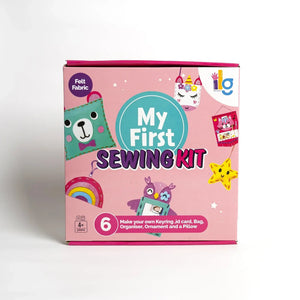
Think about the joy a child finds in painting, building with blocks, or playing with clay. Recent news, like Luxor bringing America's No. 1 creative brand Crayola to India, highlights the growing recognition of hands-on creativity and imaginative play. Similarly, LEGO India's collaboration with Formula 1 encourages high-speed play events, emphasizing building and imaginative scenarios. Offer a variety of activity kits that allow children to explore different crafts, experiments, and artistic expressions, providing tangible results that screens cannot replicate.
Nurture Creativity Digital Age: Practical Strategies for Indian Families
Nurturing creativity in a digitally saturated world requires intentional strategies, especially within the unique fabric of Indian family life. Encourage grandparents to share traditional stories and folk tales, bringing alive narratives that spark imagination. Engage children in household activities, from helping in the kitchen to participating in festival preparations, turning chores into learning opportunities.
Creating a daily 'play slot' where screens are off-limits for everyone can significantly boost a child's creative engagement. Instead of passive viewing, encourage children to create their own games, put on a puppet show, or invent stories. This dedicated time signals to children that their imaginative efforts are valued and offers a break from the pervasive digital noise, aligning with our post on 'daily play rituals' from earlier today.
Boosting Child's Focus and Creativity: The Power of Intentional Play
Intentional play is the cornerstone for boosting a child's focus and creativity. Studies indicate that hands-on, multi-sensory play can improve a child's memory retention by up to 50% compared to passive learning. This means actively choosing toys and activities that require problem-solving, strategic thinking, and sustained engagement.
For instance, puzzles are excellent tools for developing concentration, logical reasoning, and spatial awareness. As children work to fit pieces together, they practice sustained attention and develop a sense of accomplishment. This kind of focused play not only hones their ability to concentrate but also fuels their imaginative capacity by encouraging them to visualize and plan.
Understanding Brain Development and Screen Time
Understanding the delicate balance between screen time and brain development screen time is critical for modern parents. Early childhood is a period of rapid brain growth and neuroplasticity. Excessive screen time can interfere with the development of executive functions—skills like impulse control, working memory, and flexible thinking—which are crucial for academic success and life skills.
By prioritizing active, hands-on engagement, parents support the healthy wiring of the brain. Activities that involve movement, sensory exploration, and social interaction provide rich stimuli that help build robust neural pathways. This foundational 'brain time' fosters a child's natural curiosity and sets them up for lifelong learning and creative problem-solving.
- Parenting strategies for digital distraction are crucial for fostering a child's focus and creativity.
- 'Brain Time' is defined as active cognitive engagement through hands-on play, vital for child development.
- The Montessori approach advocates for minimal screen time, emphasizing real-world, sensory-rich learning.
- Providing screen time alternatives like activity kits and open-ended play significantly enhances creative thinking.
- Indian families can nurture creativity by integrating traditional stories, cultural activities, and designated screen-free play slots.
- Intentional play with materials like puzzles directly boosts focus, problem-solving skills, and imaginative capacity.
- Excessive screen time in early childhood can negatively impact brain development, affecting attention span and executive functions.
Transforming passive screen time into active 'brain time' is a powerful gift you can give your child. By implementing these practical parenting tips, you're not just limiting digital distraction; you're actively nurturing a future generation of focused, imaginative, and resilient thinkers. Explore SkilloToys.com's comprehensive collection of Montessori Method Learning Materials to empower your child's journey from screen time to vibrant, engaging brain time today.
How does Montessori approach screen time for children?
The Montessori approach advocates for minimal to no screen time for young children, especially before age six. It emphasizes real-world, hands-on experiences within a prepared environment to foster concentration, independence, and sensory development, believing these are foundational for true learning.
What are effective screen time alternatives for toddlers in India?
Effective screen time alternatives for toddlers include engaging in unstructured outdoor play, simple sensory activities like playing with sand or water, reading traditional Indian storybooks, and hands-on activities such as building blocks or simple art projects. Encourage interaction with family members and explore traditional games.
Can excessive screen time truly impact a child's brain development?
Yes, extensive research indicates that excessive screen time, particularly in early childhood, can negatively impact critical areas of brain development. It is shown to affect attention span, executive functions, language development, and even socio-emotional skills, as it displaces active, exploratory play essential for neural connections.
How can Indian parents encourage creativity in a digital world?
Indian parents can encourage creativity by promoting open-ended play with Montessori materials, engaging in storytelling with grandparents, involving children in cultural activities, and providing opportunities for art and craft. Limiting passive screen time and offering rich, real-world experiences are paramount for nurturing imaginative thinking.
What is 'Brain Time' and why is it important for children's focus?
'Brain Time' refers to periods where children actively engage their cognitive functions through hands-on exploration, creative play, and focused learning, rather than passively receiving information from screens. This active engagement is crucial for developing attention spans, problem-solving skills, and executive functions, all of which are vital for sustained focus.