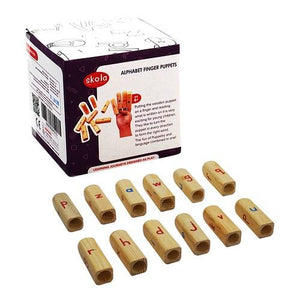
Sustainable Toys for Creativity: Eco-Play & Imagination
When choosing toys for their little ones, Indian parents are increasingly prioritising thoughtful and impactful options. This movement towards sustainable toys for creativity fundamentally transforms a child's developmental journey by providing rich, open-ended experiences. SkilloToys unequivocally states that eco-friendly play is a powerful catalyst for igniting boundless imagination and fostering innovative thinking in children across India.
The recent Google News spotlight on 'Thoughtful, Sustainable Toys' from Indian brands underscores a significant shift: parents now recognise the profound connection between the materials their children play with and the creative minds they cultivate. Sustainable choices aren't just good for the planet; they are superior for fostering deep, imaginative engagement.
What is Eco-Friendly Play?
Eco-friendly play refers to engaging with toys and activities that minimise environmental harm while maximising developmental benefits. This matters because it teaches children respect for resources and nurtures creativity without contributing to waste. Indian parents can choose toys made from natural, renewable, or recycled materials that are built to last.
Montessori Sustainable Toys: Nurturing Natural Curiosity
Montessori education, pioneered by Maria Montessori, champions durable, natural, and open-ended materials that are inherently sustainable. These Montessori sustainable toys are crafted from wood, cotton, metal, and felt, offering multi-sensory experiences crucial for early development. Research shows that children who engage with open-ended, natural toys demonstrate enhanced problem-solving skills and longer attention spans compared to those primarily exposed to single-purpose, electronic toys.
These tactile toys, like the Pink Tower or Sandpaper Letters, allow children to explore concepts through direct manipulation, sparking curiosity that leads to deeper learning. For instance, a wooden stacking toy, unlike a flashing plastic one, invites a child to discover balance, weight, and spatial relationships through their own experimentation, rather than prescribed responses.
Open-Ended Natural Toys: The Canvas for Imagination Building Toys
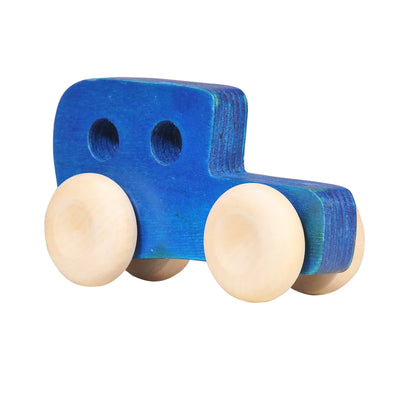
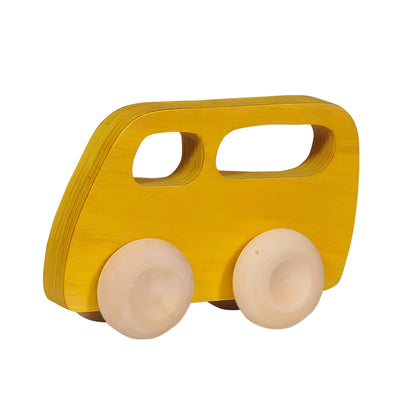
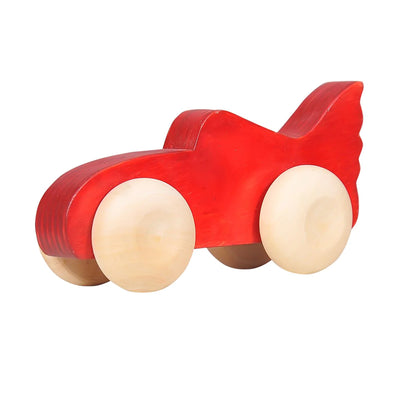
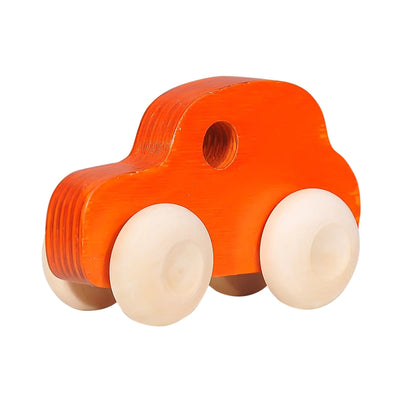
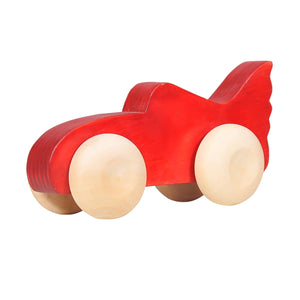
The beauty of open-ended natural toys lies in their versatility; they do not dictate how they should be played with. This quality makes them exceptional imagination building toys, providing a blank canvas for a child's mind. A simple set of wooden blocks can transform into a bustling Bengaluru market, a grandparent's home, or a space rocket journey to the moon, depending on the child's narrative.
Child development experts agree that durable, high-quality toys reduce overstimulation, allowing children aged 18-24 months to focus more deeply on imaginative exploration and material properties. This empowers children to develop their own stories, role-play complex scenarios, and creatively solve problems. The absence of specific characters or sounds encourages children to supply these elements from their own minds, strengthening their internal world and storytelling abilities.
Eco Friendly Toys India: A Conscious Choice for Thoughtful Play Ideas
The movement towards eco friendly toys India is more than a trend; it's a conscious decision by parents for a better future. Choosing sustainable options reduces plastic waste, a critical environmental concern in our nation, and supports ethical local craftsmanship. These thoughtful play ideas promote a legacy of care for the environment, where toys are cherished, repaired, and even passed down through generations within joint families.
A recent survey indicated that 70% of Indian parents are willing to invest more in products that align with their values of sustainability and child development. By opting for durable wooden puzzles or fabric activity kits, parents are teaching children about resourcefulness and mindful consumption. This aligns perfectly with the values often seen during festivals, where handcrafted items and thoughtful gifts hold significant meaning.
Hands-On Creativity: From Blocks to Building Futures
The emphasis on hands-on creativity, recently highlighted by initiatives like Crayola expanding in India and LEGO's high-speed play events, perfectly resonates with the philosophy of sustainable play. Montessori materials and other eco-friendly toys inherently encourage tactile exploration, fine motor skill development, and active problem-solving. They invite children to physically engage with their world, constructing, deconstructing, and reconstructing ideas.
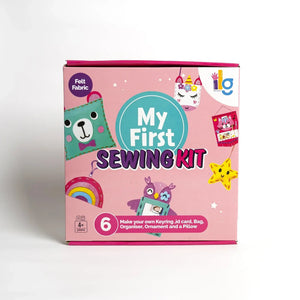
For instance, building complex structures with wooden blocks or engaging with activity kits that involve lacing, weaving, or painting with natural pigments, directly cultivates spatial reasoning and fine motor coordination. Similarly, piecing together a wooden puzzle requires concentration and logical thought, laying foundational skills for academic success and innovative thinking. This direct engagement ensures that learning is not passive but an active, joyful process.
Thoughtful Play Ideas with Eco-Friendly Toys
Integrating sustainable toys into daily routines can be simple and profoundly rewarding. Encourage your child to build imaginary worlds with open-ended wooden blocks, creating homes for their favourite animals or designing vehicles for a family trip. Use natural dough or clay for sculpting, allowing for endless tactile exploration and form creation.
For older children, engage in storytelling with handmade puppets or natural found objects, fostering narrative skills and dramatic play. Consider investing in multi-functional wooden toys that can adapt to different play scenarios, promoting resourcefulness. Explore our extensive range of Montessori educational toys at SkilloToys.com to find perfect sustainable companions for your child's creative journey.
- Sustainable toys for creativity foster deeper imaginative engagement and problem-solving skills in children.
- Montessori principles naturally align with sustainability, emphasising durable, natural, and open-ended materials.
- Open-ended natural toys provide a versatile canvas, encouraging children to invent their own play scenarios.
- Choosing eco-friendly toys in India supports environmental responsibility and local craftsmanship.
- Hands-on engagement with sustainable toys develops crucial fine motor skills and spatial reasoning.
- High-quality, durable toys offer long-term value and can be passed down through generations.
What makes a toy sustainable?
A toy is sustainable if it is made from renewable, recycled, or natural materials, manufactured ethically with minimal environmental impact, and designed for durability and longevity. This reduces waste and promotes responsible consumption.
How do sustainable toys foster creativity differently?
Sustainable toys, often open-ended and natural, lack predetermined outcomes, compelling children to invent their own scenarios, solutions, and narratives. This directly cultivates problem-solving skills and imaginative thinking, unlike single-purpose electronic toys.
Are Montessori toys always sustainable?
Montessori principles inherently champion durable, natural, and open-ended materials, aligning strongly with sustainability. While not all Montessori-style toys are certified sustainable, their core design ethos promotes eco-friendly practices through longevity and material choice.
How can Indian parents integrate eco-friendly play at home?
Indian parents can integrate eco-friendly play by choosing natural material toys, encouraging reuse and upcycling of household items for crafts, and valuing quality over quantity. Involving children in caring for their toys also fosters respect for resources.
Are sustainable toys more expensive in India?
While the initial cost of high-quality sustainable toys might sometimes be higher, their durability and longevity make them a cost-effective choice in the long run. They are often passed down through generations or retain resale value, unlike cheaper, disposable alternatives.