Telugu Letters with Pictures: Fun & Imaginative Learning
Teaching telugu letters with pictures can transform into a delightful and imaginative journey for children when approached with creative, hands-on activities. Research indicates that incorporating visual aids and playful methods significantly enhances language acquisition and retention in early learners. This approach makes learning engaging and aligns perfectly with how young minds in India naturally explore their world.
Making Telugu letter learning fun involves integrating multisensory experiences and imaginative play. This matters because a positive, playful introduction to language fosters a lifelong love for learning. Indian parents can achieve this by embracing activity-based methods that cater to their child's natural curiosity.
Why Imaginative Play is Essential for Telugu Varnamala for Kids
Child development experts agree that imaginative play is not just fun; it is a fundamental pathway to learning, especially for the intricate telugu varnamala for kids. Through play, children develop problem-solving skills, creativity, and a deeper connection to the learning material. This hands-on approach directly supports cognitive development and makes complex linguistic concepts accessible.
The recent partnership between Crayola and Luxor, encouraging hands-on creativity in India, highlights the growing recognition of play's power. Integrating drawing, colouring, and imaginative scenarios into Telugu learning allows children to associate letters with joyful experiences, much like crafting colourful rangoli designs during festivals.
Creative Telugu Learning Through Sensory Activities
Sensory engagement is a cornerstone of effective language acquisition, making creative telugu learning highly impactful for young minds. By involving multiple senses – touch, sight, and sound – children form stronger neural connections and retain information more effectively. This is why Montessori education places such a high value on tactile materials.
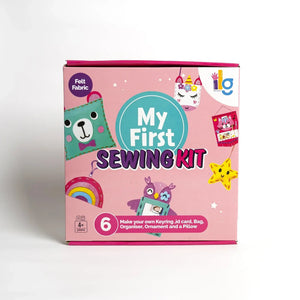
One engaging activity is tracing Telugu letters in a shallow tray of sand or salt, allowing children to feel the curves and lines. Another popular method involves molding letters using playdough, which also strengthens fine motor skills essential for writing. For a variety of materials to inspire such sensory play, explore our curated activityKits designed to foster creativity.
Imaginative Ways to Learn Telugu with Everyday Objects
Bringing imagination into learning Telugu doesn't require elaborate setups; simple household items and nature's bounty offer countless imaginative ways to learn telugu. This approach teaches resourcefulness and allows children to see learning opportunities everywhere, transforming their home into a dynamic classroom.
Encourage your child to find objects around the house that start with a particular Telugu letter, creating a mini 'letter museum.' Or, take a nature walk and collect sticks, leaves, and pebbles to form Telugu letters on the ground. Grandparents can join in by telling stories and asking children to identify the initial letter of characters or objects in the narrative, weaving language into cherished family moments.
Engaging Telugu Alphabet Activities for Family Fun
Transforming letter learning into a family affair strengthens bonds and makes the experience memorable, ensuring consistent engagement with telugu alphabet activities. When the whole family participates, children perceive learning as a natural and enjoyable part of daily life, reducing any potential academic pressure.
Organise a 'Telugu Letter Scavenger Hunt' where children search for hidden letter cards throughout the house, or incorporate letters into festive decorations. For instance, during Sankranti, kids can decorate kite-shaped cutouts with Telugu letters. Engaging puzzles featuring Telugu letters also offer a fantastic way for families to learn and play together, enhancing problem-solving skills alongside language.
Embracing Montessori Telugu Learning at Home
The Montessori method, championed by Maria Montessori, provides a robust framework for montessori telugu learning that prioritises a child's natural inclination to learn. This approach focuses on self-directed activity, hands-on learning, and collaborative play, creating an environment where children thrive at their own pace.
Parents can set up a 'prepared environment' at home with easily accessible Telugu learning materials, such as sandpaper letters or flashcards with pictures. Studies indicate that multisensory learning techniques, like those found in Montessori, improve memory retention by up to 80% in young children. By providing these foundational materials, parents empower their children to discover Telugu letters independently and joyfully. Explore our full range of Montessori Method Learning Materials to enrich your home learning environment.
- Research confirms that incorporating visual aids and playful methods significantly boosts language acquisition in young children.
- Imaginative play is a critical component for mastering the Telugu varnamala, enhancing creativity and problem-solving skills.
- Multisensory activities, such as tracing letters in sand or forming them with playdough, create stronger neural connections for effective retention.
- Integrating everyday objects and nature into learning Telugu fosters resourcefulness and makes the process accessible anywhere.
- Family involvement in Telugu alphabet activities transforms learning into a joyful, bonding experience, reinforcing its importance.
- Montessori Telugu learning principles, emphasizing hands-on and child-led exploration, lead to deeper understanding and a love for language.
Making Telugu letter learning a creative and imaginative adventure is a profound gift you can give your child. By integrating these playful activities, Indian parents not only teach a language but also cultivate a lifelong love for learning, critical thinking, and the rich cultural heritage of India. Let your child's journey into Telugu be filled with wonder, curiosity, and endless discovery.
At what age should children start learning Telugu letters?
Children can begin to explore language concepts and letter recognition as early as 2-3 years old, especially through play-based methods. Introducing Telugu letters with pictures and sounds during these formative years aligns with their natural curiosity and rapid brain development.
What are the best methods for creative Telugu learning?
The best methods involve multisensory activities such as tracing letters in sand, molding them with playdough, or associating them with familiar objects. Integrating stories, songs, and imaginative play makes the learning process engaging and memorable for children.
How can Montessori principles be applied to learn Telugu varnamala for kids?
Montessori principles advocate for a prepared environment, hands-on materials like sandpaper letters, and child-led exploration. This approach allows children to learn Telugu varnamala at their own pace, fostering independence and a deeper understanding through sensory experiences rather than rote memorization.
Are screen-based apps effective for Telugu alphabet activities?
While some apps offer interactive elements, hands-on Telugu alphabet activities are generally more effective for young children. Child development experts agree that tactile experiences, physical manipulation, and direct interaction with materials build stronger cognitive connections and fine motor skills than passive screen time.
How do parents in joint families encourage imaginative ways to learn Telugu?
In joint families, grandparents and elders often play a crucial role by sharing traditional stories, singing folk songs, and engaging children in conversations in Telugu. This rich linguistic environment naturally encourages imaginative ways to learn Telugu, integrating language into daily life and cultural heritage.