Screen Time & Child Creativity: A Montessori Guide
The rising concern around screen time and child creativity is a pressing issue for parents today. As the recent Deccan Chronicle article, 'Why Play Still Matters in a Screen-Filled Childhood,' underscores, the challenge of nurturing imagination in a digital age is real. Fortunately, the Montessori approach offers a profound solution: fostering deep creativity and focused engagement through purposeful, hands-on play.
What is the Montessori Approach to Play and Screen Time?
The Montessori approach to play values self-directed, purposeful activity within a thoughtfully prepared environment, emphasizing real-world engagement over passive entertainment. This matters because it cultivates a child's innate curiosity and ability to focus, directly counteracting the overstimulation and lack of imaginative input often associated with excessive screens. Indian parents can integrate this by offering accessible, open-ended materials that invite exploration and discovery.
The Screen Challenge: Why Indian Parents Worry About Creativity
In many Indian homes, screens have become an almost unavoidable part of daily life. From parents needing a few minutes of peace in a busy joint family to children seeing their peers constantly glued to tablets, the allure is strong. Child development experts agree that while screens have their place, excessive, unstructured screen time can significantly limit a child's opportunities for spontaneous, imaginative play.
Research indicates that when children passively consume content, their brains are less active in creating their own narratives or solving open-ended problems. This is particularly concerning for parents in Bengaluru and other metros, where outdoor play space might be limited, and academic pressure can sometimes push play to the sidelines. The true non-obvious insight here is that the more a screen does the 'imagining' for the child, the less the child learns to imagine for themselves, stifling the very muscles of creativity.
Montessori Magic: Igniting Imagination with Hands-On Engagement
The Montessori method, pioneered by Dr. Maria Montessori, champions a child's natural drive to learn and create. It posits that a 'prepared environment' — one rich with purposeful, open-ended materials and freedom within limits — naturally ignites imagination and cultivates the benefits of imaginative play. Children are not merely entertained; they are actively engaged in meaningful 'work' that is intrinsically satisfying.
Consider a child meticulously stacking wooden blocks or intently solving a Montessori puzzle. Unlike pre-programmed digital content, these materials demand active participation. The child decides how to stack, what to build, or where a piece fits, engaging their problem-solving skills and spatial reasoning. This deep concentration, known as 'normalisation' in Montessori, builds sustained attention and allows creativity to flourish, transforming simple materials into entire worlds.
Practical Digital Detox for Kids, the Montessori Way
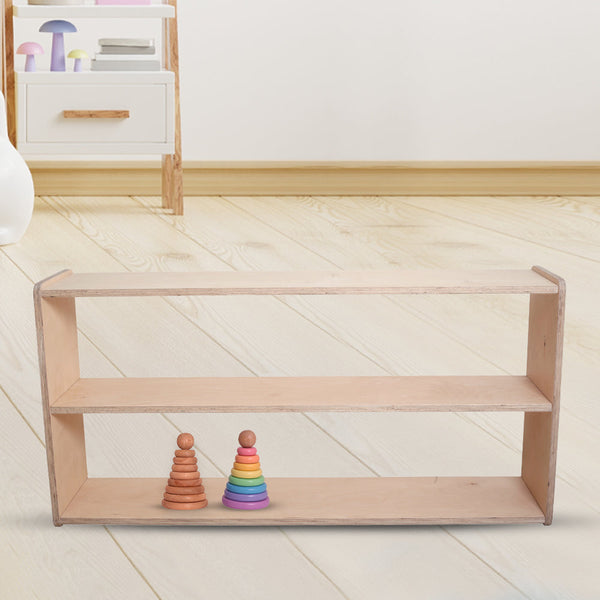
Implementing a digital detox for kids doesn't mean banishing screens entirely; it means being intentional and providing compelling alternatives. In a bustling Indian household, this might look like designating a specific 'Montessori corner' with engaging activity kits or materials, offering a clear invitation to play. Grandparents, with their wealth of stories and traditional games, can become invaluable partners in this endeavor, naturally shifting focus away from screens.
Instead of relying on screens for quiet time, introduce practical life activities such as helping with daily chores, sorting pulses, or watering plants. These activities, fundamental to Montessori, build independence, fine motor skills, and a sense of contribution, providing profound engagement that screens cannot replicate. This shift from passive observation to active participation is key to nurturing creativity.
Balancing Screen Time & Play: Montessori Screen Time Alternatives for Indian Homes
Balancing screen time and play effectively means integrating rich, real-world experiences into your child's day. For families navigating urban living in India, with its smaller flats and busy schedules, Montessori offers adaptable Montessori screen time alternatives. The focus is on quality over quantity for both play and screen exposure.
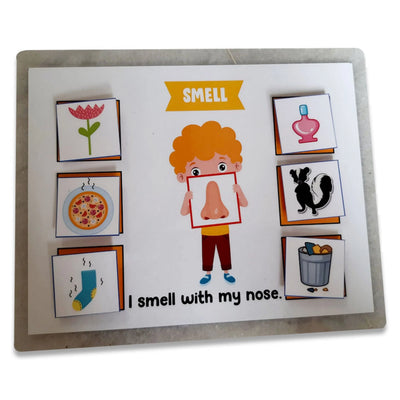
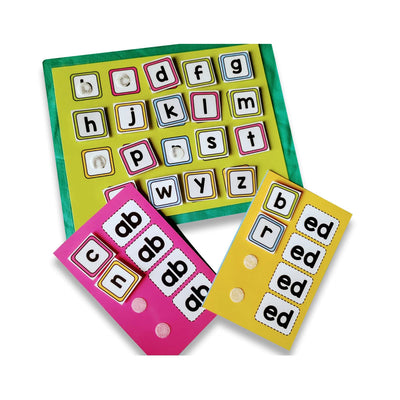
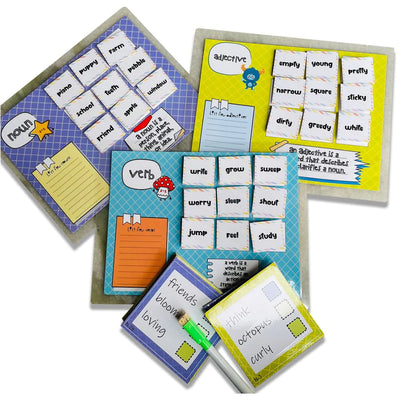
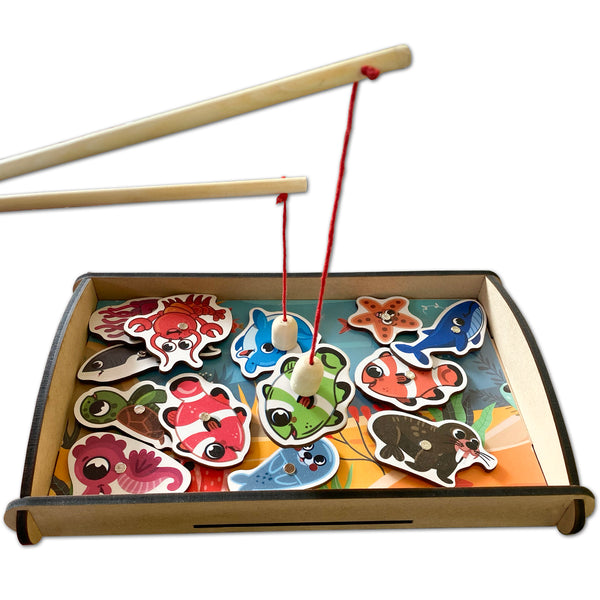
Offer a limited choice of high-quality, open-ended materials from SkilloToys.com that encourage creative exploration. For a 3-year-old Aanya in a Bengaluru apartment, this could be a set of simple wooden geometric solids that she can arrange, stack, and use in imaginative scenarios. For an older child, it might be a set of Montessori language materials like sandpaper letters, allowing them to engage with learning in a tactile, self-directed way, far more creatively than a blinking alphabet app.
Child development research consistently shows that self-directed play, where the child is the author of their own experience, is paramount for cognitive flexibility and imaginative growth. By providing a curated environment that invites exploration and discovery, you empower your child to become a creative thinker, even amidst the ubiquitous presence of screens.
Embracing the Montessori philosophy doesn't require a complete overhaul of your lifestyle, but a thoughtful shift towards valuing purposeful play. Tonight, instead of offering a screen, invite your child to build a story using just three everyday objects from around the house. You'll be amazed at the worlds they can create, simply given the space and the materials to imagine.