Homeschooling Curriculum India: Fostering Creativity with Montessori
For many Indian parents, the idea of a tailored educational path that truly nurtures their child's unique spirit is gaining traction. Embracing a homeschooling curriculum India-style, specifically inspired by Montessori, offers a transformative way to foster profound creativity and imagination right within the familiar comfort of your home. This approach goes beyond academics, recognizing that play is the deepest form of learning, a sentiment echoed by recent discussions on 'Why Play Still Matters in a Screen-Filled Childhood' in publications like the Deccan Chronicle.
Montessori-inspired homeschooling is an educational philosophy and method that empowers children to become independent, self-motivated learners through hands-on exploration and discovery. This matters immensely because it aligns learning with a child's natural developmental stages and intrinsic curiosity, laying a robust foundation for critical thinking and creativity. Indian parents can successfully implement this by curating a stimulating home environment and prioritizing purposeful play over rote instruction.
Why Montessori Sparks Creativity in Indian Homes
Maria Montessori's profound insight into child development revealed that children thrive when given freedom within a prepared environment. This philosophy, applied to montessori homeschooling India, becomes a powerful engine for creativity. Instead of being told what to think, children are shown how to learn, how to explore, and how to create.
Research consistently shows that environments supporting child-led learning cultivate higher levels of intrinsic motivation and imaginative problem-solving. For instance, a child engaged in carefully pouring water from one vessel to another, a classic Montessori practical life activity, isn't just learning coordination; they are building concentration, a crucial precursor to imaginative play and complex creative thought. This disciplined freedom, where children learn to respect materials and processes, directly translates into their ability to conjure and execute creative ideas later on.
Designing Your Creative Homeschooling Environment in India
Creating a Montessori-inspired space doesn't require a large house or elaborate setups; it's about thoughtful design. Even in a compact Bengaluru apartment, you can designate a small 'work area' where materials are neatly organized and easily accessible to your child. Low shelves, small tables, and child-sized tools invite independence, signalling to your child, "This space is for you to discover and create."
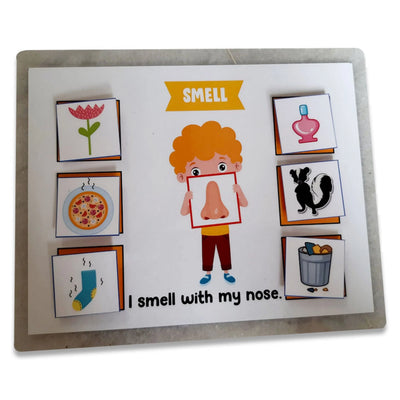
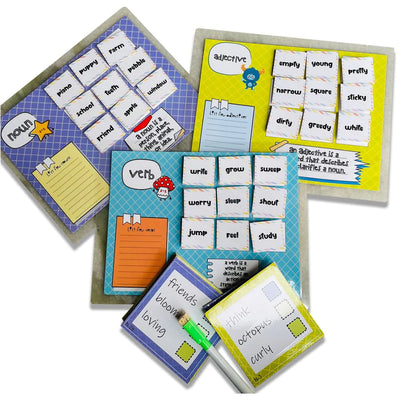
Incorporate elements that resonate with Indian culture: a corner for traditional Indian storytelling, materials for simple Rangoli designs, or even small bowls for sorting lentils, which are excellent for developing fine motor skills and concentration. This cultural integration makes the learning experience more relatable and deeply enriching. Explore diverse options like activityKits that offer engaging, hands-on projects, or a variety of puzzles that encourage spatial reasoning and logical thinking.
Nurturing Imagination Through Montessori Activities
The essence of an imagination homeschooling curriculum rooted in Montessori lies in offering rich, open-ended experiences. Beyond academic lessons, encourage activities like storytelling with puppets made from old sarees, drawing inspiration from local markets, or exploring textures during a walk in the neighbourhood park. When 3-year-old Aarya in a Mumbai joint family is allowed to experiment with mud and leaves in the garden, she isn't just playing; she's conducting scientific experiments and creating art, all at once.
Child development experts agree that unstructured play and self-directed exploration are vital for cognitive flexibility and imagination. Instead of rigidly scheduled activities, present a range of invitations to learn, then observe and follow your child's lead. This approach respects their inner guide, allowing creativity to blossom organically, rather than being forced into a predetermined mould.
Selecting Educational Toys for Homeschooling India
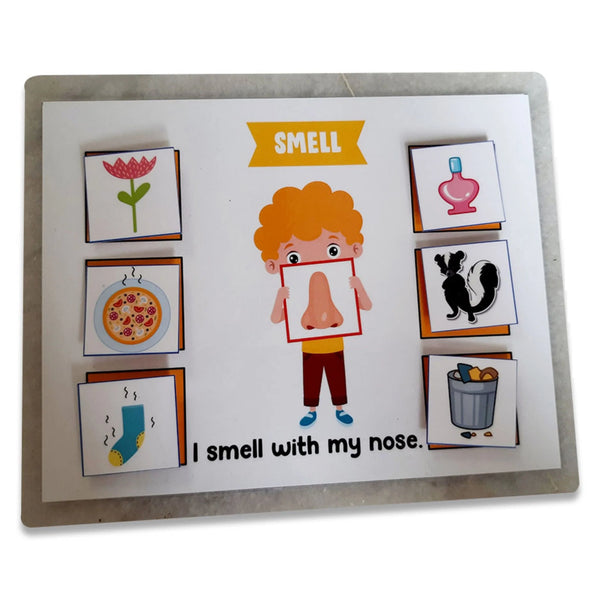
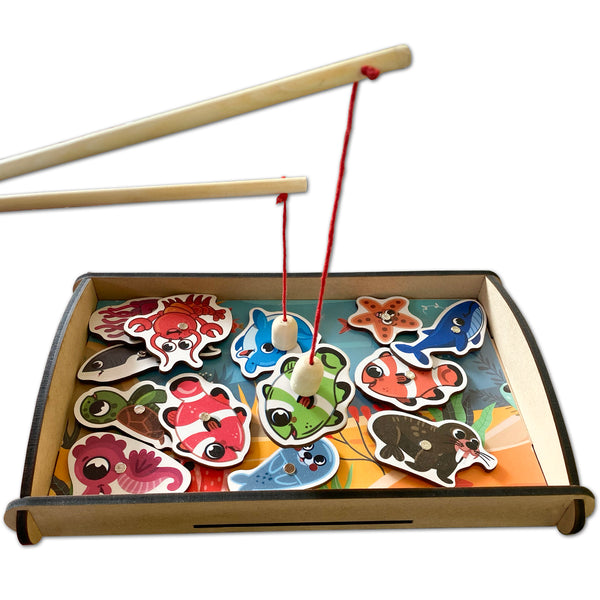
The choice of learning materials is paramount in a Montessori homeschooling environment. Opt for educational toys for homeschooling India that are made from natural materials like wood, metal, or fabric, and that have a clear purpose. These could include sensorial materials that refine the senses, practical life tools that build independence, or carefully crafted manipulatives for early math and language concepts.
Avoid toys that do too much for the child or have flashing lights and pre-programmed sounds. As Maria Montessori observed, a toy that requires the child to do the imagining is far more valuable than one that dictates the play. Our curated collection of Montessori method learning materials provides perfect examples of such open-ended, engaging resources that empower children to explore and create.
Overcoming Challenges & Celebrating Progress
Parents often voice concerns about academic rigour, socialisation, and managing the expectations of grandparents, who might be accustomed to more traditional schooling. While these are valid points, Montessori homeschooling offers a robust framework. Academically, children in a Montessori environment often excel due to their deep understanding of concepts. Socialisation comes from diverse community engagements and family interactions, fostering genuine social skills.
The Harvard Center on the Developing Child highlights the critical role of self-directed play and supportive relationships in building resilient, creative thinkers. Instead of formal tests, progress is measured by a child's joyful engagement, growing independence, and blossoming curiosity. Imagine a 4-year-old in Chennai proudly showing their self-constructed tower of blocks, explaining the balance and engineering – that's a celebration of true learning and imagination, far more profound than a test score. Start small: today, during playtime, simply observe your child's choices without interruption. You might be surprised by the depths of their focus and creativity.