DIY Montessori Educational Toys: Creative Learning
Creating DIY Montessori educational toys at home empowers Indian parents to provide rich, hands-on learning experiences for their children, fostering independence and critical thinking through engaging, purposeful play. This approach not only makes learning accessible but also helps children develop essential skills using readily available materials, perfect for screen-free fun during festivals like Diwali or Children's Day.
As 'How to Make This Diwali More Meaningful for Your Kids' from The Better India suggests, engaging children creatively is key. Building these toys together also strengthens family bonds, turning everyday items into powerful learning tools right within your Indian home, aligning perfectly with our rich cultural emphasis on family activities.
What are DIY Montessori Educational Toys?
DIY Montessori educational toys are self-made learning materials designed to align with Maria Montessori's philosophy, encouraging children's natural inclination to learn through self-directed activity and exploration. This matters because they promote independence, concentration, and practical life skills. Indian parents can craft these purposeful toys using common household items, turning everyday moments into powerful learning opportunities.
Why Craft DIY Montessori Educational Toys for Your Child?
Child development experts agree that engaging children in purposeful activities from a young age significantly boosts their cognitive and emotional growth. DIY Montessori educational toys offer a cost-effective and personalised way to achieve this, making learning an integral part of daily life for Indian children. They transform passive learning into active discovery, directly supporting a child's natural curiosity.
Furthermore, these homemade Montessori toys provide an excellent alternative to excessive screen time, a concern for many parents, especially as highlighted by the '8 Screen Free Activities To Try With Your Child On Childrens Day' article on femina.in. They encourage focus, problem-solving, and fine motor development, crucial skills often overlooked in digital entertainment. Studies indicate that children who engage in hands-on, purposeful play develop stronger cognitive abilities and problem-solving skills.
Embracing Montessori Principles with Homemade Learning Materials
Maria Montessori's method emphasises a prepared environment where children can freely explore and learn at their own pace. You don't need expensive materials to replicate this at home. The essence lies in purposeful design: each activity should have a clear goal, be self-correcting, and appeal to a child's natural desire to learn. This fosters concentration and independence.
Creating DIY learning materials allows parents to tailor activities to their child's specific developmental stage and interests, ensuring maximum engagement. For instance, a simple sorting activity can be made with household items, helping a child develop classification skills before they encounter more complex concepts like those found in traditional Montessori materials such as the pink tower or brown stairs.
Simple DIY Montessori Activities for Every Indian Home
Transforming common household items into enriching Montessori activities at home is simpler than you might imagine. These activities are designed to be hands-on, engaging, and promote key developmental milestones for educational toys for kids.
Practical Life Skills: Developing Independence
Practical life activities are the cornerstone of Montessori, helping children gain independence and confidence in everyday tasks. For children aged 18-24 months, a simple pouring station with two small katoris and some rice or water can develop coordination. Similarly, a buttoning frame made from an old shirt and cardboard helps with fine motor control.
Another classic is a sorting activity using different types of dals (lentils) or coloured buttons. This helps children develop classification, concentration, and fine motor skills essential for future writing. These activities mirror the chores children see their elders doing, making them highly relatable and meaningful.
Sensory Exploration: Engaging All Senses
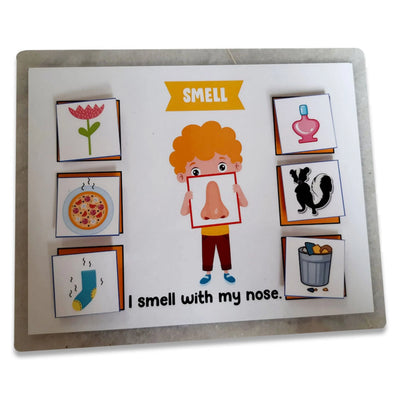
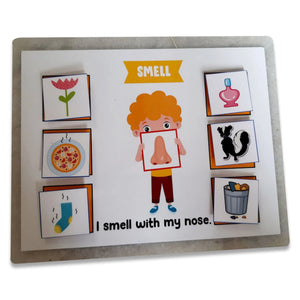
Sensory experiences are vital for early childhood development. A 'mystery bag' filled with various objects like a soft cotton ball, a smooth stone, a crunchy leaf, or a rough piece of jute can stimulate tactile senses. Children can reach in and identify objects by touch alone, enhancing their sensory discrimination.
You can also create vibrant sensory bottles by filling clear plastic bottles with water, glitter, oil, and small beads. These provide calming visual stimulation and teach concepts of density and flow. These sensory educational toys are incredibly effective for toddlers and preschoolers.
Language & Math Foundations: Playful Learning
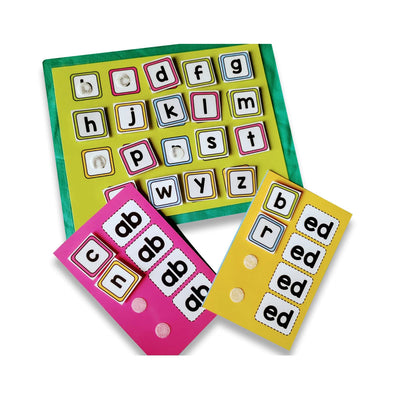
Even abstract concepts like language and mathematics can be introduced through DIY Montessori. For language, create matching games with pictures of everyday Indian objects (e.g., a roti, a saree, a temple) and their written names. For early math, use bottle caps or pebbles for one-to-one correspondence activities, where children match the number of objects to a written numeral.
Making sandpaper letters from sandpaper glued onto cardboard pieces allows children to trace the letter shapes, engaging their tactile sense while learning phonetics. This prepares them for writing, a direct application of the Montessori method.
The Enduring Benefits of DIY Montessori for Indian Children
Integrating DIY Montessori educational toys into your child's routine offers profound benefits that resonate deeply within the Indian context. These activities foster self-reliance, a value highly cherished in joint families, where children often learn by observing and participating in household tasks.
By engaging in self-directed play, children develop strong problem-solving skills and a sense of accomplishment, crucial for navigating future academic pressures. Furthermore, the focus on practical life skills helps them become capable and contributing members of the family, whether it's helping grandparents sort vegetables or setting the table for a family meal.
Integrating DIY Montessori into Your Family's Routine
Making DIY Montessori activities a part of your daily life doesn't require a dedicated Montessori room. It's about mindset and opportunity. Involve your child in preparing materials, perhaps even during festival preparations like Diwali rangoli designs or Children's Day craft projects.
Grandparents, with their wealth of traditional knowledge and patient guidance, can be wonderful facilitators for these activities, sharing stories and cultural context. Remember, the goal is not perfection but participation and exploration. A designated 'activity corner' with readily available materials can encourage spontaneous play and learning, making screen-free time truly engaging and meaningful for the whole family.
- DIY Montessori educational toys provide accessible, hands-on learning tailored for children's development.
- These homemade materials align with Maria Montessori's philosophy, fostering independence and concentration.
- Utilising everyday household items makes these educational toys cost-effective and sustainable for Indian homes.
- Practical life skills, sensory exploration, and foundational academics can all be developed through DIY Montessori activities.
- Engaging in DIY Montessori reduces screen time and strengthens family bonds through shared creative experiences.
- Child development experts confirm that hands-on play is crucial for enhancing cognitive abilities and problem-solving skills.
Are DIY Montessori toys effective for child development?
Yes, research shows that DIY Montessori toys are highly effective as they encourage hands-on learning, foster independence, and allow children to learn at their own pace using familiar materials, enhancing engagement and skill acquisition.
What age group are DIY Montessori toys suitable for?
DIY Montessori toys are adaptable for a wide range of ages, from toddlers (18-24 months) focusing on sensory and practical life skills to preschoolers (3-6 years) developing language, math, and fine motor abilities. The key is to tailor the complexity to the child's developmental stage.
Can I make Montessori toys from recycled materials?
Absolutely! Maria Montessori’s philosophy values simplicity and practicality, making recycled materials like cardboard, fabric scraps, bottles, and buttons perfect for creating engaging and cost-effective learning tools. This also teaches children about sustainability.
How do DIY Montessori activities benefit Indian children?
DIY Montessori activities uniquely benefit Indian children by integrating hands-on learning with everyday cultural experiences. They promote independence, problem-solving, and concentration, while also offering screen-free engagement that can be enjoyed with family, including grandparents, during festivals and daily routines.
What are some easy DIY Montessori toy ideas for toddlers?
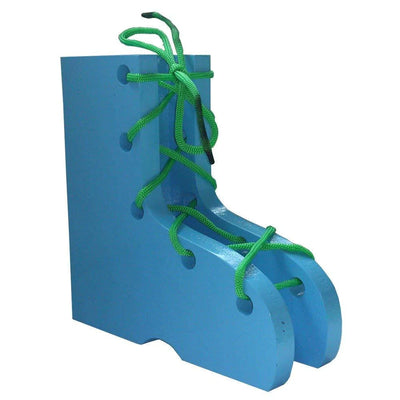
For toddlers, easy DIY Montessori toy ideas include sensory bottles filled with rice or lentils, threading activities with pasta and shoelaces, sorting buttons by colour, or a pouring station using water and small cups. These focus on developing fine motor skills and sensory exploration.