Hindi Varnamala with Pictures: DIY Visual Activities
Learning hindi varnamala with pictures at home is highly effective for young children, significantly boosting letter recognition and retention. By creating simple, visual aids, Indian parents can transform abstract letters into concrete, memorable experiences, making early language acquisition engaging and fun for their little ones. This hands-on approach directly supports cognitive development.
DIY Hindi Varnamala visual learning involves crafting homemade visual tools like flashcards and picture charts to teach the Hindi alphabet. This method matters because it caters to children's natural visual learning style, making complex letters digestible and enjoyable. Indian parents can easily implement these activities, fostering a strong foundation for their child's linguistic journey.
The Power of Visuals: Why Hindi Varnamala with Pictures Works
Research shows that integrating visual elements into learning can improve information retention by as much as 400% in young children. This data underscores the effectiveness of teaching Hindi Varnamala with pictures, especially for preschoolers and early learners. Maria Montessori, a pioneer in child education, emphasized the critical importance of concrete, sensory materials for children to grasp abstract concepts, a principle perfectly applied to DIY visual learning.
In Indian homes, where joint families often provide a rich environment for language immersion, these visual tools become shared treasures. Grandparents, with their wealth of stories, can use a picture of 'क' for 'कबूतर' (pigeon) or 'म' for 'माँ' (mother), creating culturally resonant connections. This not only enhances learning but also strengthens family bonds, making the process truly holistic.
DIY Hindi Letters with Images: Getting Started with Simple Materials
Creating engaging DIY Hindi letters with images doesn't require expensive supplies; your home is a treasure trove of possibilities! Start with basic materials like cardboard from old delivery boxes, newspapers, craft paper, lentils, rice, or even atta (flour) for tactile tracing. These everyday items transform into powerful educational tools, proving that learning can be both accessible and eco-friendly.
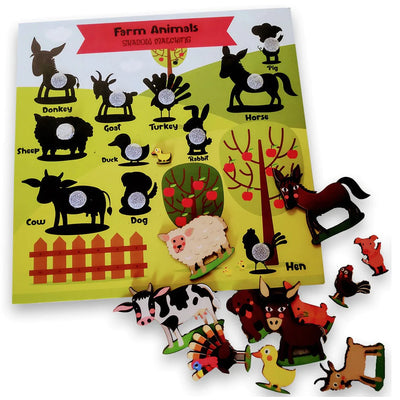
Consider making simple flashcards where each Hindi letter is paired with a clear, colourful picture of an object starting with that letter. For instance, 'अ' with an anar (pomegranate) or 'ग' with a gaay (cow). For more interactive experiences, explore various activity kits that can inspire your next creative project, ensuring a diverse range of activities to keep your child engaged and excited about learning.
Engaging Craft Ideas for Hindi Alphabet Visuals at Home
Transforming the abstract Hindi alphabet into tangible, fun craft projects is key to sustained engagement. As we consider screen-free activities, especially relevant for Children's Day celebrations or making Diwali more meaningful, these crafts offer a wonderful alternative. One popular idea is a "Varnamala Storybook," where each letter gets its own page with a picture and a short, simple story, allowing children to connect letters with narratives.
Another fantastic approach is creating "Sensory Letter Trays." Fill a shallow tray with sand, salt, or even a thin layer of atta, and let your child trace Hindi letters with their finger while looking at a corresponding picture. This multi-sensory experience strengthens fine motor skills and letter recognition simultaneously. You can find excellent resources for developing fine motor skills on SkilloToys.com, which complement these tactile learning methods beautifully.
Additionally, consider making "Varnamala Puzzles" by drawing letters and matching pictures on cardboard, then cutting them into unique shapes. These puzzles promote problem-solving and reinforce letter-picture association, making learning a delightful challenge rather than a chore. The satisfaction of completing a puzzle encourages children to keep exploring and learning.
Montessori Hindi Varnamala Visuals: Principles for DIY Success
Incorporating Montessori principles into your DIY Hindi Varnamala visuals ensures that learning is child-led, hands-on, and encourages self-correction. Focus on creating materials that are simple, aesthetically pleasing, and allow for repeated use. For instance, creating textured Hindi letters using sandpaper or fabric scraps mirrors the Montessori sandpaper letters, providing a sensory experience that helps children feel the shape of each letter.
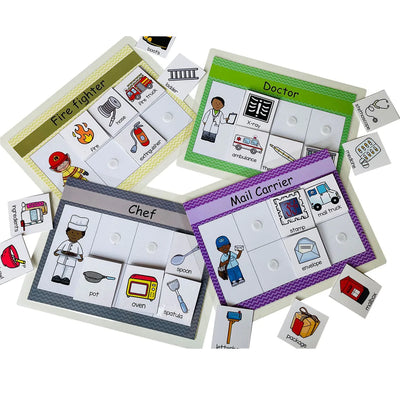
Another Montessori-inspired idea is to create matching activities where children pair Hindi letter cards with corresponding picture cards. This fosters concentration, visual discrimination, and independent learning. Exploring SkilloToys' Montessori method learning materials can offer further inspiration for crafting your own effective visual aids that align with these proven educational philosophies.
Making Learning Fun: Learn Hindi Letters at Home with Pictures
The goal is to make learning Hindi letters at home with pictures an enjoyable journey, not a stressful task. Integrate these visual activities into your child's daily routine naturally. Sing Varnamala songs while pointing to picture charts, tell stories that highlight specific letters and their sounds, or go on a "letter hunt" around the house, finding objects that start with the letters your child is learning.
Child development research consistently shows that early literacy skills are strong predictors of future academic success and overall cognitive development. By making Hindi Varnamala learning playful and interactive, parents empower their children with a strong foundation in their mother tongue. These screen-free engagements not only reduce reliance on digital devices but also foster creativity and critical thinking.
Overcoming Challenges: Visual Hindi Learning for Kids of All Ages
Every child learns at their own pace, and visual Hindi learning for kids can be adapted for various age groups. For toddlers (18-24 months), focus on simple letter recognition and sound association through repetition and brightly coloured picture cards. For preschoolers (3-5 years), introduce tracing, matching games, and simple word formation using their learned visual letters.
Patience is paramount; celebrate every small victory, whether it's recognizing a single letter or correctly associating a picture. Consistent, short bursts of engaging activity are far more effective than long, forced sessions. Remember, the aim is to instill a love for learning and the Hindi language, making it a joyful part of their growth journey in an Indian household.
- Visual aids significantly improve Hindi Varnamala retention for children, enhancing memory and recognition.
- DIY activities empower Indian parents to create personalized and culturally relevant learning materials using household items.
- Montessori principles of hands-on, concrete learning are highly effective for early literacy in Hindi, promoting independent discovery.
- Engaging multiple senses through crafts like sensory trays or textured letters enhances letter recognition and fine motor skills.
- Consistent, fun, and screen-free visual learning at home fosters a strong linguistic foundation in Hindi.
- Incorporating family members, especially grandparents, enriches the learning experience with stories and cultural context.
Why are visuals so important for learning Hindi Varnamala?
Visuals are crucial because young children are primarily visual learners, making abstract Hindi letters concrete and easier to remember. They provide a direct link between the letter form and its sound or an associated image, enhancing comprehension and recall, and speeding up the learning process.
What simple materials can I use for DIY Hindi Varnamala with pictures?
You can use readily available household items like old cardboard, newspapers, lentils, atta (flour), fabric scraps, and drawing supplies. These materials allow for creative and tactile exploration, making learning affordable, accessible, and environmentally conscious by repurposing items.
How can Montessori principles be applied to DIY Hindi alphabet activities?
Montessori principles can be applied by creating hands-on, self-correcting materials, and allowing children to learn at their own pace. Examples include using sandpaper-like textures for tracing letters or creating matching games with picture cards that promote independent discovery.
What age is best to start teaching Hindi Varnamala with visual activities?
Child development experts agree that children can begin informal exposure to Hindi Varnamala visuals as early as 2-3 years old, focusing on recognition and sound association through playful interaction. Formal learning can progress around 4-5 years, depending on the child's interest and readiness.
How do I keep my child engaged with DIY Hindi letter crafts?
Keep engagement high by making activities playful, incorporating storytelling, and connecting letters to familiar objects or family names. Varying the activities, allowing the child to choose what they want to explore, and celebrating small achievements also maintains interest and motivation effectively.
Can these activities help with Hindi pronunciation?
Yes, pairing visuals with correct verbal pronunciation is highly effective for Hindi language acquisition. When a child sees a letter and hears its sound repeatedly from parents or grandparents, it strengthens their phonemic awareness and improves their ability to pronounce words correctly and confidently.