Malayalam Spelling Activities: Fun DIY for Kids at Home
Empowering children to master malayalam spelling at home is incredibly rewarding, and it doesn't have to be a daunting task. Research shows that engaging in hands-on, DIY activities significantly enhances a child's understanding and retention of complex linguistic rules, transforming a potential struggle into a joyful discovery.
With Children's Day around the corner, or as you plan screen-free activities for a meaningful Diwali, these DIY projects offer fantastic opportunities for quality family time. Let's dive into simple, effective ways Indian parents can help their children confidently navigate Malayalam words, right from the comfort of their own Bengaluru homes.
What is Malayalam Spelling Mastery for Kids?
Malayalam spelling mastery for kids is the ability to correctly write words in Malayalam by understanding its phonetic structure and orthographic rules. This matters because it forms the bedrock of literacy, enabling clear communication and academic success. Indian parents can foster this mastery through consistent, playful exposure to the language.
Why DIY Malayalam Words Activities are a Game-Changer
Creating your own learning materials for Malayalam spelling offers unparalleled benefits. Child development experts agree that personalized, tactile experiences lead to deeper learning than rote memorization. When children craft their tools, they develop a sense of ownership and excitement for the learning process itself.
For Indian families, particularly those in joint family setups, these activities provide wonderful bonding moments. Grandparents can share traditional stories while kids work on spelling, connecting generations through language. Studies indicate that children who engage in multi-sensory learning often demonstrate higher engagement and better recall of information, making DIY methods a powerful educational strategy.
Learn Malayalam Spelling at Home with Everyday Materials
You don't need fancy resources to kickstart Malayalam spelling practice. Look around your home – old newspapers, cardboard boxes, lentils, or even playdough can be transformed into powerful learning aids. This approach not only saves money but also teaches children resourcefulness.
The beauty of learning at home is the flexibility it offers. Parents can tailor activities to their child's pace and interests, addressing specific challenges like complex conjunct consonants or similar-sounding vowels in Malayalam. This personalized approach is often more effective than generic worksheets or apps, especially for younger learners.
Top DIY Malayalam Word Games for Kids
Transforming spelling lessons into games makes learning irresistible. These activities are designed to be fun, engaging, and highly effective for cementing Malayalam spelling skills.
1. The Bengaluru Word Fishing Game (Malayalam Letter Activities)
This classic game is fantastic for letter recognition and early word building. Cut out small fish shapes from cardboard, writing a Malayalam letter on each. Attach a paper clip to each fish. Create a 'fishing rod' with a stick, string, and a magnet. Your child fishes for letters, then uses them to form simple Malayalam words like 'അമ്മ' (Amma) or 'അച്ഛൻ' (Achhan).
This activity boosts fine motor skills as children grasp the rod and connect with the magnets, an essential developmental area that SkilloToys emphasizes. It's a playful way to reinforce the sounds and shapes of individual Malayalam letters before moving to complex words. For more hands-on fun, explore our collection of fine motor skill toys.
2. Sensory Spelling Trays (Montessori Malayalam Spelling)
Maria Montessori's method champions sensory learning, and a spelling tray is a perfect example. Fill a shallow tray with sand, semolina (rava), or coloured rice. Call out a Malayalam word, and have your child trace the letters in the tray using their finger. This tactile experience helps children feel the formation of each letter.
For more advanced learners, they can trace entire words, linking the physical act of writing with the auditory input. This method is particularly effective for children who are visual or kinesthetic learners, providing a multi-senssensory pathway to understand Malayalam script. Consider incorporating our Montessori learning materials to complement these activities.
3. Malayalam Word Puzzles and Scrambles
Create simple word puzzles by writing Malayalam words on cardstock, then cutting them into individual letters. Mix them up and ask your child to reassemble the word. Start with two or three-letter words and gradually increase the complexity.
For a scramble, write a longer Malayalam word, like 'തിരുവോണം' (Thiruvonam), and challenge your child to find as many smaller words as possible within it. This activity encourages critical thinking and a deeper understanding of word structure, preparing them for the intricacies of Malayalam spelling.
4. DIY Movable Malayalam Alphabet
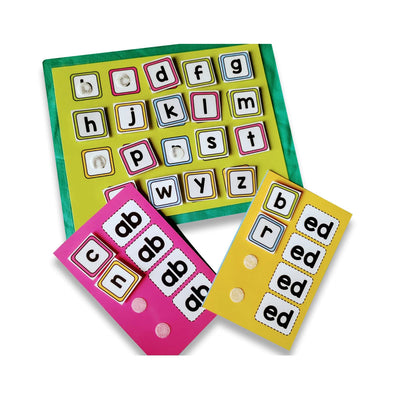
Just like the classic Montessori movable alphabet, you can create your own set. Cut out squares of cardboard and write individual Malayalam letters on each. Ensure you have multiples of common letters. Then, call out words and have your child build them using the movable alphabet.
This hands-on approach allows children to experiment with letter combinations and self-correct their spelling. It’s an invaluable tool for understanding phonetics and word construction. Our activityKits often include similar components to support early literacy.
5. Malayalam Picture-Word Matching
Collect pictures of common objects (e.g., fruit, animals, household items) and write their Malayalam names on separate cards. Your child then matches the picture to the correct Malayalam word. For an added challenge, they can try to spell the word out loud before checking the card.
This visual association strengthens vocabulary and reinforces correct spelling. It’s particularly beneficial for building a strong foundation in functional Malayalam words, linking written language to real-world objects. This is a wonderful way to learn words relevant to daily life in an Indian home.
Tips for Successful Malayalam Spelling Practice at Home
Consistent, positive reinforcement is key to making spelling practice effective and enjoyable. Here are some expert-backed tips:
- Keep it Playful: Avoid making it feel like a chore. Integrate spelling into daily conversations and playtime.
- Short, Frequent Sessions: Rather than long, tedious sessions, opt for 10-15 minutes of focused activity daily. This builds consistent learning habits.
- Focus on Phonetics: Malayalam is largely phonetic. Emphasize letter sounds and how they blend to form words.
- Encourage Self-Correction: Allow children to identify and correct their own mistakes. This fosters independent learning and problem-solving skills, aligning with Montessori principles.
- Celebrate Progress: Acknowledge every effort and improvement, no matter how small. Positive reinforcement builds confidence and motivates further learning.
These DIY Malayalam spelling activities are not just about mastering words; they're about nurturing a love for language and learning. As children explore the beauty of Malayalam, they develop crucial cognitive skills that will benefit them throughout their academic journey and beyond. Happy learning!
- Hands-on DIY activities significantly enhance a child's understanding and retention of Malayalam spelling.
- Everyday household items can be transformed into effective learning tools for Malayalam words.
- Sensory spelling trays, inspired by Maria Montessori, provide tactile learning experiences for Malayalam script.
- Engaging in Malayalam word games like 'Word Fishing' improves both letter recognition and fine motor skills.
- Creating a DIY movable Malayalam alphabet allows children to experiment with word construction and self-correction.
- Consistent, short, and playful spelling sessions are more effective than long, rote learning methods for children.
How can I make learning Malayalam spelling fun for my child?
You can make learning Malayalam spelling fun by incorporating hands-on DIY activities like word building with cut-out letters, sensory tracing, and engaging in simple word games. These methods turn learning into playful exploration, reducing pressure and increasing engagement.
What is the best age to start teaching Malayalam spelling?
Child development experts agree that children can begin developing phonetic awareness and letter recognition from as early as 3-4 years old. Introducing Malayalam spelling activities in a playful, low-pressure manner during the preschool years sets a strong foundation for future literacy.
Are DIY activities effective for improving Malayalam spelling?
Yes, DIY activities are highly effective for improving Malayalam spelling because they provide tactile, multi-sensory experiences that aid retention and understanding. They allow children to physically manipulate letters and words, strengthening their neural pathways for language acquisition.
How do Montessori principles apply to Malayalam spelling?
Montessori principles, such as hands-on learning, self-correction, and working from concrete to abstract, are perfectly suited for Malayalam spelling. Using materials like sandpaper letters or movable alphabets allows children to explore letter sounds and word formation independently, fostering a deep understanding.
What are some common challenges children face with Malayalam spelling?
Children often face challenges with Malayalam spelling due to its complex orthography, including conjunct consonants and varying vowel sounds. Consistent exposure through engaging activities, focusing on phonetic sounds, and gentle correction can help overcome these common hurdles effectively.