AI in Education: Montessori Skills for Primary Schoolers
The recent discussions around 'AI in Education: The Future of Schools and the Burden of the Indian State' highlight a pressing concern for parents across India. Montessori education, with its emphasis on self-directed learning and practical life skills, definitively equips primary schoolers (5-8 years) with the critical thinking and adaptability crucial for an AI-driven future.
As technology rapidly reshapes our world, the pressure on Indian parents to prepare their children for tomorrow is immense, often conflicting with traditional academic expectations. SkilloToys.com believes in a balanced approach, fostering a love for learning that empowers children beyond exam scores.
What is AI in Education?
AI in education refers to the integration of artificial intelligence tools and technologies into learning processes and administrative tasks. This matters because AI is poised to transform curriculum delivery and job markets. Indian parents can prepare by focusing on foundational human skills that AI cannot replicate, fostering resilience and ingenuity in their children.
Montessori's Timeless Approach to Future Skills
Child development experts agree that a holistic educational foundation built during primary school years is paramount for navigating an unpredictable future. Maria Montessori's philosophy, developed over a century ago, remains remarkably relevant in an age defined by digital transformation and the increasing presence of AI in education.
Montessori education is not about rote memorization but about fostering intrinsic motivation and developing the whole child. This approach encourages children to become independent learners, problem-solvers, and creative thinkers – qualities that are essential for thriving alongside artificial intelligence rather than being replaced by it.
Fostering Critical Thinking Skills for Kids
Critical thinking is arguably one of the most vital future skills for kids, allowing them to evaluate information, form reasoned judgments, and make independent decisions. Montessori classrooms are designed to cultivate this from an early age through self-directed exploration and materials that encourage logical thought.
Activities such as working with Montessori puzzles, sequencing tasks, and classifying objects help children develop the ability to analyze and synthesize information. These hands-on experiences are invaluable, teaching children to question, explore, and understand concepts deeply rather than simply memorizing facts.
Cultivating Problem-Solving Skills in Children
In a world increasingly influenced by AI, the ability to solve complex, novel problems will distinguish human capabilities. The Montessori method inherently promotes problem-solving skills in children by allowing them to learn through discovery and self-correction.
When a child independently figures out how to complete an activity kit or master a practical life skill like pouring water, they are developing resilience and strategic thinking. This prepares them not just for school assignments but for real-world challenges, from managing chores in a joint family home to tackling future career obstacles.
Adapting to Change: The Montessori Way
Research shows that adaptability and resilience are crucial traits for success in an ever-evolving technological landscape. The Montessori environment encourages children to take ownership of their learning, fostering a sense of agency and confidence that allows them to embrace new challenges without fear.
Studies consistently indicate that children engaged in self-paced, exploratory learning develop superior problem-solving abilities and a greater capacity for self-regulation. This autonomy is vital for children to confidently navigate the shifts brought by AI, both in educational settings and future professions.
Creativity and Innovation Beyond Algorithms
While AI can generate content and perform complex calculations, true creativity and innovative thinking remain distinctly human attributes. Montessori education places a strong emphasis on fostering imagination and original thought, encouraging children to explore diverse materials and express themselves freely.
Whether through artistic expression, storytelling, or devising new ways to use materials, children are given the freedom to experiment without strict parameters. This cultivation of inner resources helps them develop unique perspectives and solutions that algorithms cannot replicate, ensuring they are not just users of technology but creators with it.
Practical Steps for Indian Parents: Educational Toys for Future Skills
For Indian parents striving to balance academic excellence with holistic development, integrating Montessori principles at home can be profoundly beneficial. Investing in quality educational toys for future skills provides a tangible way to support their child's growth without adding to school pressure.
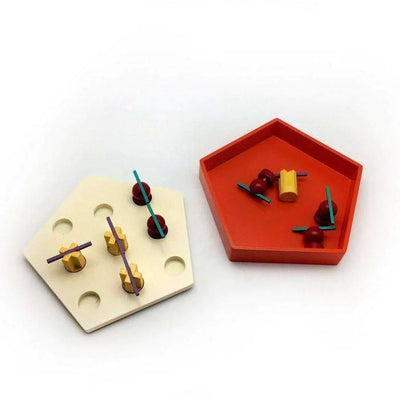
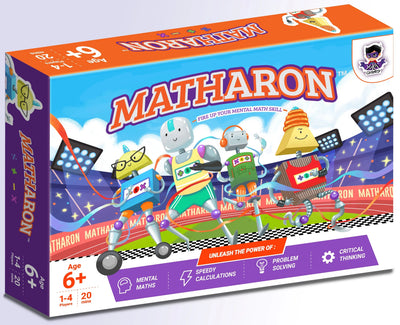
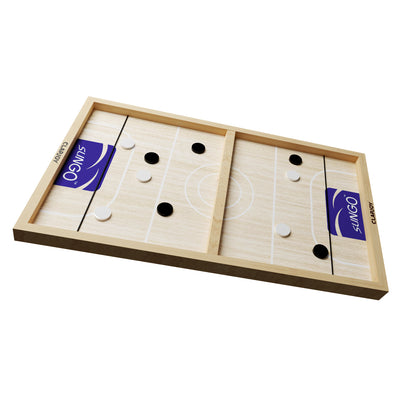
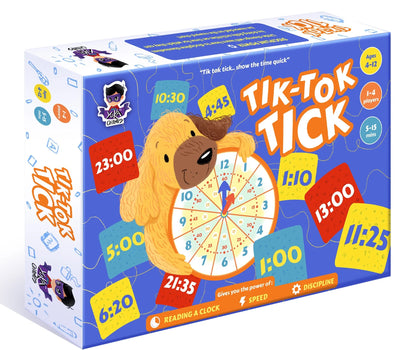
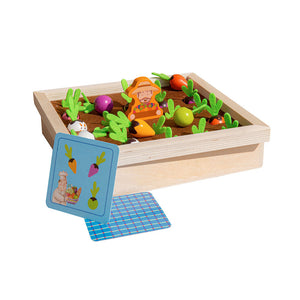
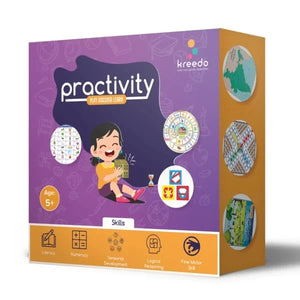
Choose materials that encourage exploration, independent problem-solving, and critical thinking. From engaging logical puzzles that sharpen spatial reasoning to comprehensive Montessori activity kits that develop practical life skills, SkilloToys.com offers a curated selection designed for this purpose. These tools help children build foundational abilities like focus, concentration, and fine motor skills, all of which are critical for higher-level cognitive functions. Moreover, incorporating these activities into daily routines, perhaps with grandparents or during festivals, creates a rich learning environment that transcends formal schooling.
- Montessori education definitively prepares primary schoolers (5-8 years) for an AI-driven future by focusing on core human skills.
- Critical thinking and problem-solving abilities are essential future skills cultivated through Montessori's hands-on, self-directed learning approach.
- Montessori fosters adaptability and resilience, allowing children to navigate technological shifts with confidence.
- Creativity and innovation, distinct human qualities, are highly emphasized in Montessori, providing an edge beyond algorithmic capabilities.
- High-quality educational toys at home support holistic development and build foundational skills crucial for an AI-centric world.
- Prioritizing balanced, intrinsic learning over rote memorization is key for children thriving in India's evolving educational landscape.