Ditching Rote Learning: Montessori for Primary Kids (5-8)
Research consistently shows that adopting the Montessori method for primary schoolers (5-8) offers a powerful alternative to traditional approaches, effectively facilitating ditching rote learning in India by cultivating deeper understanding and critical thinking skills. This pedagogy actively empowers children to engage with concepts meaningfully, moving far beyond surface-level memorisation.
Many Indian parents are increasingly concerned about the intense academic pressure and the over-reliance on rote learning prevalent in primary education. They seek environments where their children can truly understand, question, and apply knowledge, rather than just recall facts. Montessori provides this crucial shift, nurturing independent thinkers ready for real-world challenges.
What is Montessori Education for Primary Schoolers (5-8)?
Montessori education for primary schoolers (ages 5-8, often called the "second plane of development") is a holistic approach focused on developing intellectual independence, social awareness, and critical reasoning. It leverages a prepared environment where children interact with specially designed materials to explore abstract concepts concretely. This method empowers children to construct their own knowledge and understanding.
Beyond Memorization: Fostering True Understanding with Montessori
The core of Montessori vs rote learning lies in its methodology: hands-on discovery. For primary schoolers, this means working with tangible materials that embody complex academic concepts. A child learning fractions, for instance, doesn't just see numbers on a board but physically manipulates fraction insets, allowing them to grasp the concept through touch and sight.
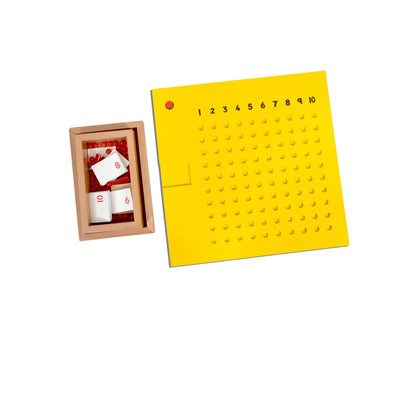
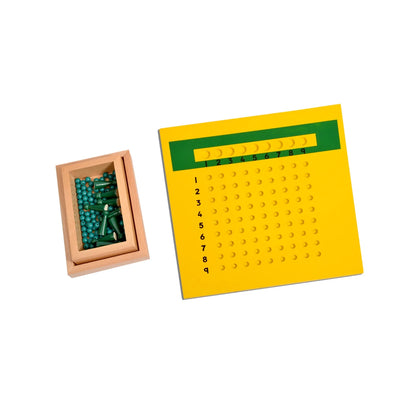
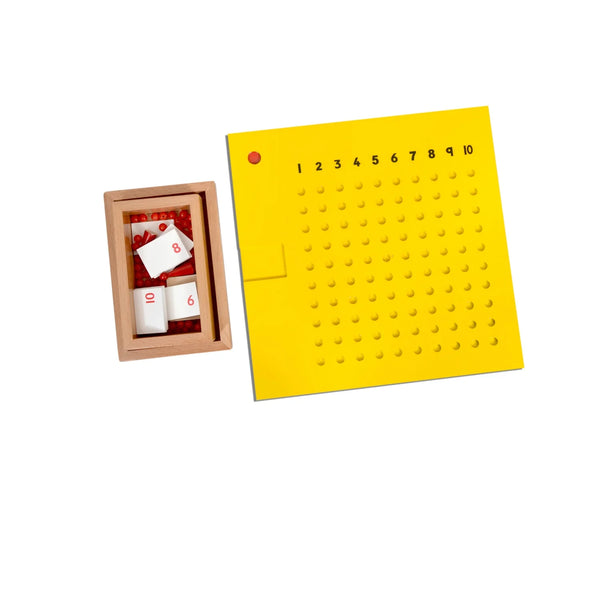
Child development experts consistently affirm that such concrete experiences build stronger, more resilient cognitive pathways than mere memorisation. This approach allows a child like seven-year-old Rohan in Bengaluru, struggling with abstract math in a traditional setting, to suddenly "see" and understand multiplication through the sensorial experience of the Montessori bead cabinet. This deep understanding naturally reduces the academic pressure associated with recalling isolated facts.
Cultivating Critical Thinking in Primary School India
A key aim of Montessori is to foster genuine critical thinking primary school India needs for its future leaders. Unlike traditional classrooms where answers are often spoon-fed, Montessori environments encourage children to ask "why" and "how." They are given the freedom to explore topics in depth, make connections across subjects, and work through problems independently.
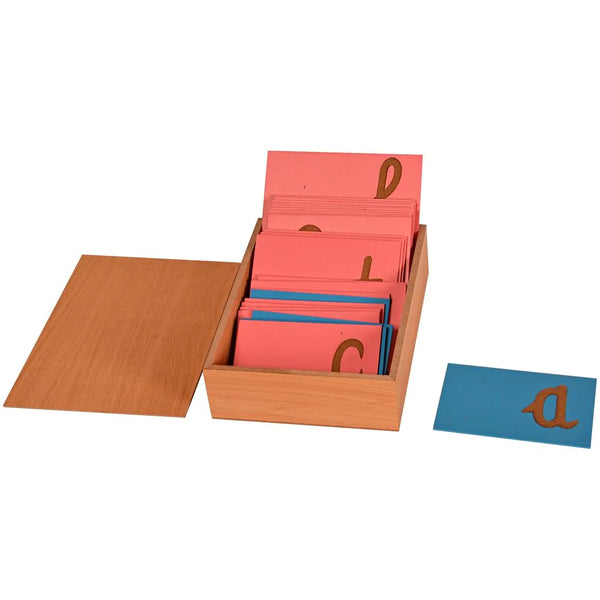
Consider a group of six-year-olds working with a map puzzle of India. Instead of memorising state names, they are challenged to reconstruct the map, discussing geographical features and cultural nuances as they go. The self-correcting nature of many Montessori materials, like the geometric solids or language materials, means children can identify and correct their own mistakes without external judgment, building resilience and confidence in their problem-solving abilities. This iterative process of discovery and self-correction is fundamentally different from a system that penalises errors, thereby nurturing an inherent drive to understand, rather than merely perform.
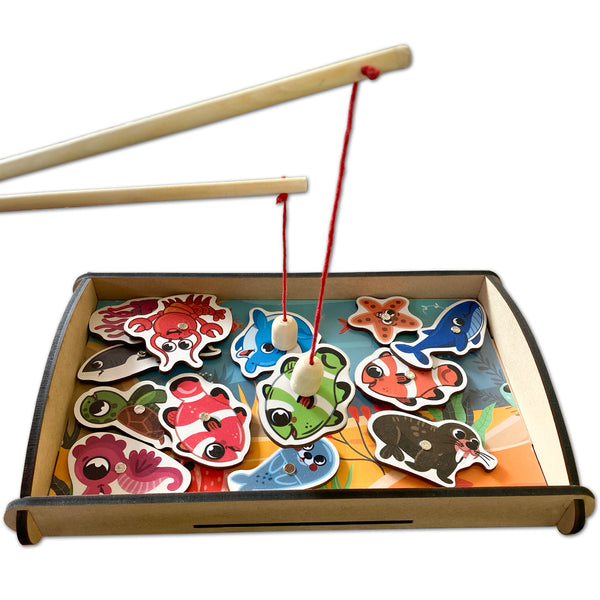
These engaging activities are often supported by excellent tools such as Montessori puzzles, which are designed to challenge and develop logical reasoning skills in a self-directed manner.
Self-Directed Learning: An Alternative to Pressure and Rote
The Montessori classroom for primary schoolers offers an invaluable alternative education India can embrace to combat the rising tide of academic pressure. Children are given agency over their learning, choosing activities that resonate with their current interests and developmental needs. This autonomy, often called "freedom within limits," allows them to delve deeply into subjects at their own pace, fostering a powerful sense of ownership over their education.
Imagine eight-year-old Priya, who is fascinated by Indian history. In a Montessori setting, she might spend weeks researching ancient civilisations, creating detailed timelines, and presenting her findings to peers, rather than just passively absorbing textbook chapters. This intrinsic motivation, rather than external rewards or fear of failure, is a powerful antidote to the stress of conventional schooling. It also helps manage academic pressure solutions India desperately needs, particularly for children growing up in joint families with varied academic expectations from different relatives.
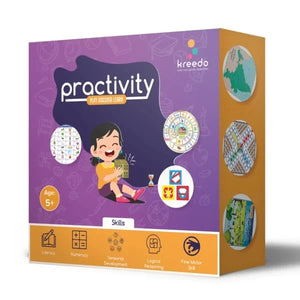
To replicate this at home, engaging your child with Montessori activity kits can provide a structured yet flexible way for them to explore subjects independently.
Experiential Learning: Making Knowledge Real
At its heart, Montessori champions experiential learning India can deeply benefit from. Knowledge is not an abstract concept to be memorised; it is something lived, touched, and understood through direct experience. Practical life exercises, for instance, extend beyond pre-school, teaching primary schoolers valuable skills like gardening, cooking simple Indian recipes, or managing classroom resources, connecting academics to daily life.
Maria Montessori herself emphasised that "the child is the builder of himself." This philosophy translates into a curriculum where geography is learned by creating landform models, biology by observing plant and animal life cycles, and history through storytelling and re-enactments. This integrated approach ensures that knowledge is anchored in concrete experiences, making it not only memorable but also highly applicable to the world around them.
Empowering Children Beyond the Textbook
As discussions about education reform continue across India, with initiatives like TheWire.in highlighting the need for better school systems, and parents seeking to move away from rigid learning, Montessori presents a robust framework. It equips primary schoolers (5-8) not just with academic facts, but with the confidence, critical thinking, and intrinsic motivation needed to thrive.
For parents in India navigating the complexities of their child's early school years, embracing Montessori principles, whether through a school choice or by incorporating educational materials at home, offers a powerful path forward. It's about nurturing a lifelong love for learning and empowering children to become active, engaged, and thoughtful contributors, ready to adapt and innovate in an ever-changing world.
Explore more authentic learning resources for primary schoolers at SkilloToys.com.