Board Games for Kids (5-8) Boost Cognitive Skills
For parents navigating the crucial early school years in India, finding effective ways to enhance learning without adding to academic stress is paramount. Engaging board games for kids aged 5-8 significantly boost cognitive skills like critical thinking, problem-solving, and memory, while simultaneously easing academic pressure. Research shows these Montessori-aligned activities achieve this by offering hands-on, engaging learning experiences that foster intrinsic motivation and reduce test anxiety, transforming learning into a joyful discovery process right in Indian homes.
The academic landscape in India often places immense pressure on young children, leading many parents to seek private education or extensive tuition. However, the true essence of learning lies in understanding and application, not just rote memorization. This guide explores how Montessori board games offer a balanced, effective approach to developing crucial skills, proving that learning can be both profound and fun, even amidst competitive educational environments.
What Are Montessori Board Games?
Montessori board games are thoughtfully designed educational tools that follow Dr. Maria Montessori's principles of self-directed, hands-on learning. This matters because they cultivate independence, concentration, and practical life skills crucial for holistic development, reducing reliance on rote learning. Indian parents can integrate these games to offer a balanced, engaging alternative to traditional academic drills, fostering a deeper understanding.
Boosting Cognitive Skills with Educational Board Games for Kids
Child development experts agree that the 5-8 age band is critical for cognitive growth, laying the groundwork for future academic success. Montessori board games are specifically engineered to challenge young minds, encouraging strategic thinking, pattern recognition, and decision-making. These activities go far beyond simple entertainment; they are powerful learning games for kids that build essential neural pathways.
For instance, playing a game that requires matching or sequencing enhances memory and logical reasoning. Puzzles, another form of engaging educational play, refine spatial awareness and problem-solving abilities, which are foundational for subjects like mathematics and science. Studies indicate that engaging in strategic puzzles and board games can significantly improve a child's problem-solving abilities and focus.
Unlike passive screen time or endless worksheets, these games demand active participation, prompting children to think critically and adapt. This active engagement is vital for developing sustained attention and focus, skills that are increasingly challenged in our digital world and crucial for navigating a demanding school curriculum effectively.
Easing Academic Pressure with Learning Games for Kids
The conversation around "Why 4 in 10 Indian children go to private schools" and "Learning Is Free Online, So Why Are Parents Paying Lakhs For Education?" highlights a pervasive anxiety among Indian parents regarding their children's academic future. A recent survey revealed that nearly 70% of Indian parents feel stressed about their child's academic performance, highlighting the urgent need for balanced approaches to learning. Montessori board games offer a refreshing antidote by reframing learning as an enjoyable exploration.
When children play, they are intrinsically motivated; they learn without the fear of failure or the pressure of grades. This joyful engagement reduces stress and anxiety, fostering a positive attitude towards learning that can benefit them throughout their schooling. In many Indian joint families, grandparents often play a crucial role, and these games provide a wonderful intergenerational activity, strengthening bonds while subtly imparting knowledge.
These learning games for kids help children develop resilience, learn from mistakes, and understand the value of fair play – social-emotional skills often overlooked in purely academic settings. This holistic development is key to navigating the competitive Indian education system with confidence and a well-rounded personality.
Why Age-Appropriate Games Matter: Board Games for 5 Year Olds and 8 Year Olds
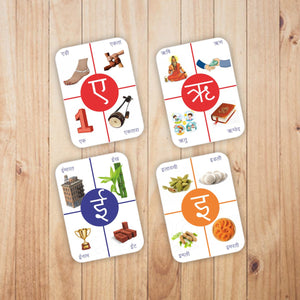
Understanding developmental stages is crucial when selecting educational tools. For children aged 5, games focusing on fundamental concepts are ideal. Activity Kits and board games for 5 year olds often involve color recognition, simple counting, letter matching, and basic categorization. These lay a strong foundation for early literacy and numeracy, preparing them for primary school challenges without overwhelm.
As children mature into 8-year-olds, their cognitive abilities expand, allowing for more complex challenges. Board games for 8 year olds can introduce strategy, advanced problem-solving, mathematical operations, and even historical or geographical concepts. Games that require planning multiple steps ahead or managing resources are excellent for developing higher-order thinking skills, preparing them for more abstract academic work.
Dr. Maria Montessori emphasized the importance of sensitive periods, where children are most receptive to learning specific skills. By providing age-appropriate challenges, we ensure optimal engagement and maximum developmental benefit, preventing frustration and encouraging a love for continuous learning.
Integrating Montessori Board Games into Daily Life in India
Making time for play and learning can feel challenging amidst busy schedules, especially for working parents in urban India. However, integrating Montessori board games doesn't require a separate classroom; it can be a natural part of daily family life. Dedicate a "game hour" during evenings, make it a part of weekend rituals, or bring out a game during family gatherings, especially during festivals when cousins and relatives are together.
Encourage older siblings, parents, and even grandparents to join in. This fosters a collaborative learning environment and strengthens family bonds, a cornerstone of Indian culture. Instead of viewing these games as mere distractions, consider them powerful tools for development that complement formal schooling and can even reduce the need for excessive tuition.
Moreover, for parents concerned about whether "Are children with special needs enrolled in schools in India?", Montessori board games offer an inclusive approach. Their self-paced nature and focus on hands-on exploration allow children of all abilities to learn and thrive at their own pace, fostering confidence and engagement.
Key Takeaways
- Montessori board games significantly boost cognitive skills and ease academic pressure for 5-8 year olds.
- These games foster critical thinking, memory, and problem-solving, crucial for academic success in India.
- Maria Montessori's principles support self-directed learning, offering a balanced alternative to rote memorization.
- Age-appropriate educational board games are vital for meeting developmental milestones effectively.
- Integrating learning games into daily routines promotes intrinsic motivation and reduces stress in Indian children.
- Studies confirm board games enhance IQ and improve focus, offering a cost-effective educational solution for families.
What makes Montessori board games different from regular board games?
Montessori board games are specifically designed with educational objectives, focusing on self-correction, hands-on exploration, and intrinsic motivation. They align with Dr. Maria Montessori's philosophy, encouraging children to learn at their own pace through purposeful play, unlike many conventional games primarily focused on entertainment or competition.
How do these games help with academic pressure in India?
These games alleviate academic pressure by shifting the focus from rote learning and test anxiety to joyful discovery and practical skill development. By enhancing foundational cognitive abilities in a fun, engaging manner, children become better equipped for school challenges without the added stress often seen in Indian educational settings.
Are Montessori board games suitable for children with special needs?
Yes, Montessori board games are highly suitable for children with special needs due to their self-paced, hands-on, and adaptable nature. The materials allow children to learn at their own speed and repeat activities as needed, providing a supportive environment that caters to diverse learning styles and developmental stages.
At what age should children start playing educational board games?
Children can start engaging with simple educational board games as early as 3-4 years old, focusing on basic concepts like colors, shapes, and matching. For more complex cognitive skill development, the 5-8 year age range is ideal, as they begin to grasp strategy, rules, and problem-solving effectively.
How can I integrate these games into my child's daily routine?
Integrate these games by designating regular "game time" after school, during weekend family gatherings, or even as a calming activity before bedtime. Encourage participation from all family members, including grandparents, to make learning a shared, enjoyable experience rather than a solitary task, fostering strong family bonds.
Do these games replace school learning or tuition?
Montessori board games complement school learning and can significantly reduce the perceived need for extensive tuition by strengthening core cognitive skills. They build a robust foundation for academic success and critical thinking that traditional schooling or extra classes often overlook, fostering a lifelong love for learning.