Homeschooling Curriculum India: Montessori for Primary (5-8)
For many Indian parents, navigating the academic landscape for their primary schoolers (ages 5-8) brings a unique set of challenges, from intense competition to concerns about holistic development. Exploring a homeschooling curriculum India-style, particularly through the Montessori method, offers a powerful alternative that prioritises a child's natural curiosity and growth over rote learning. This approach directly addresses the rising parental interest in home-based education, providing a structured yet flexible framework.
Montessori homeschooling for primary children is an educational philosophy and method developed by Dr. Maria Montessori, focusing on self-directed activity, hands-on learning, and collaborative play within a prepared environment. This matters because it cultivates intrinsic motivation, critical thinking, and a lifelong love for learning, empowering Indian parents to tailor education to their child's individual pace and interests, free from conventional pressures.
Why Montessori Homeschooling Appeals to Indian Parents (5-8 Years)
The academic pressure cooker in India often begins much earlier than it should, leading to stress, burnout, and a disconnect from genuine learning. Reports, such as those highlighting concerns about the quality of public education, further drive parents to seek effective home education options India. Montessori homeschooling provides a refreshing antidote, focusing on a child's intrinsic drive rather than external rewards or comparisons. It's a balanced, anti-pressure approach that aligns with the Indian emphasis on holistic development (sarvaṅga vikāsa).
Child development experts agree that children aged 5-8 are in what Maria Montessori termed the 'Second Plane of Development,' characterised by a blossoming imagination, a desire for social interaction, and a keen interest in moral questions and the 'why' behind things. A Montessori environment respects this developmental stage, allowing children to explore complex concepts at their own pace. This method empowers families, especially in joint family setups, to leverage the rich intergenerational learning environment often present in Indian homes, where grandparents can share stories, wisdom, and cultural practices as part of the curriculum.
Understanding the Montessori Curriculum for 5-8 Year Olds
The montessori curriculum 5-8 years (often grouped as 6-9 years in Montessori Primary or Elementary) is distinct from its preschool counterpart. It transitions from concrete exploration to abstract reasoning, building upon foundational skills. This phase is less about rote memorisation and more about understanding interconnectedness, fostering imagination, and developing social responsibility.
Key areas of study include Cosmic Education, Language, Mathematics, Practical Life, and Sensorial. Cosmic Education, a hallmark of Montessori elementary, integrates science, history, geography, and culture, presenting the child with the 'Great Stories' of the universe and humanity. For instance, learning about the 'Coming of Life' can be tied to understanding local flora and fauna, or the 'Story of Numbers' can connect to traditional Indian mathematical contributions. Studies indicate that integrated learning approaches lead to deeper comprehension and retention than fragmented subject teaching.
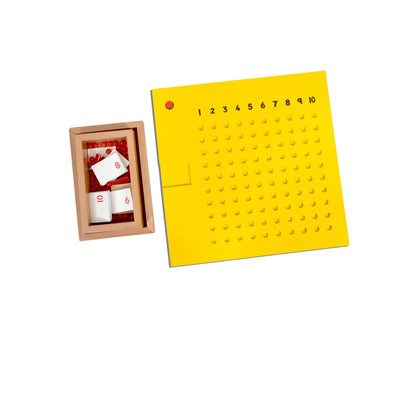
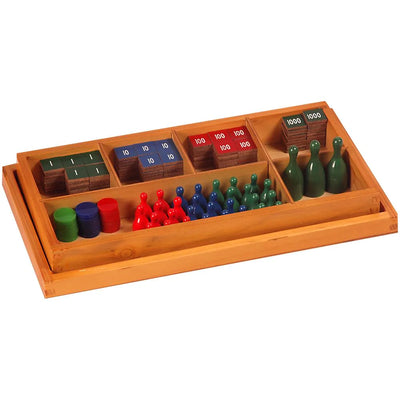
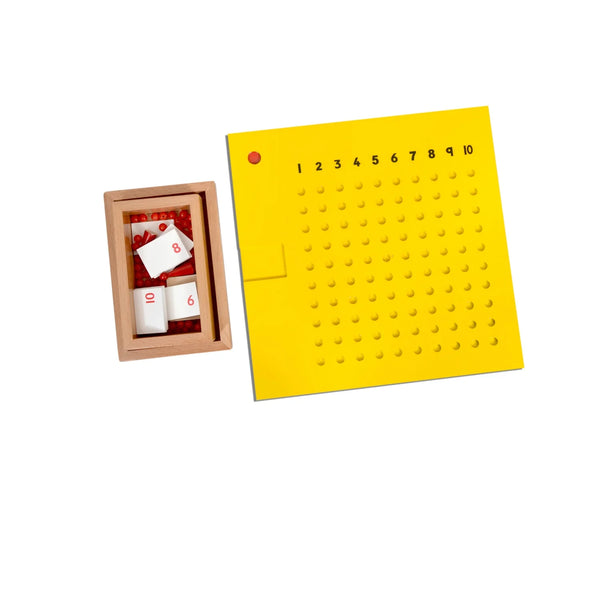
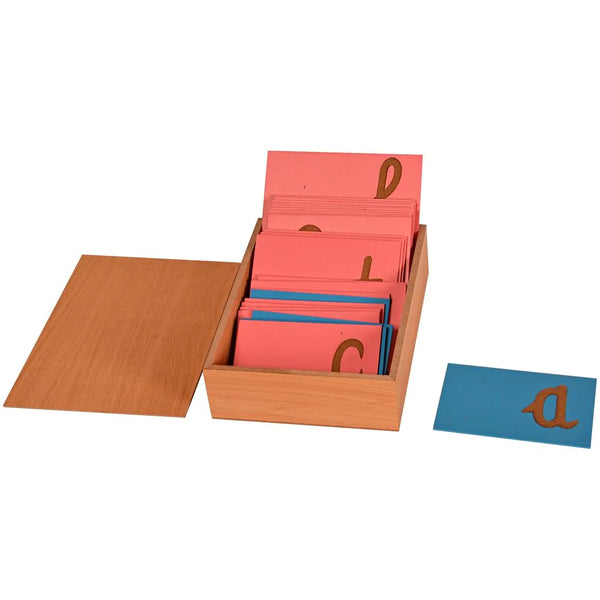
In Language, children move beyond basic reading and writing to grammar, sentence analysis, creative writing, and research skills. For Mathematics, they progress from concrete materials like the Golden Beads to abstract concepts using materials like the Stamp Game or geometric solids. Practical Life skills evolve to include more complex tasks like cooking a simple meal, gardening, or managing household chores – invaluable life skills in any Indian home. Sensorial activities continue to refine their senses, albeit at a more advanced level, aiding in discrimination and categorisation.
Setting Up Your Montessori Primary Homeschool Environment
Creating a 'prepared environment' is fundamental to montessori homeschooling india. This doesn't mean transforming your entire home into a classroom, especially for families in urban Indian apartments. It means designating a specific, organised, and accessible space where your child can work independently. The environment should be aesthetically pleasing, orderly, and stocked with appropriate Montessori materials that invite exploration.
Daily Rhythm and Routine
A Montessori homeschool day for primary schoolers typically includes a long, uninterrupted work cycle (2-3 hours) where children choose their activities. This self-directed work fosters concentration and deep engagement. This can be followed by group lessons, outdoor play, creative arts, and practical life activities. Flexibility is key; a child might spend an entire morning deeply engrossed with mathematics puzzles, while another day they might focus on writing stories inspired by Indian folk tales.
Essential Montessori Materials and Resources
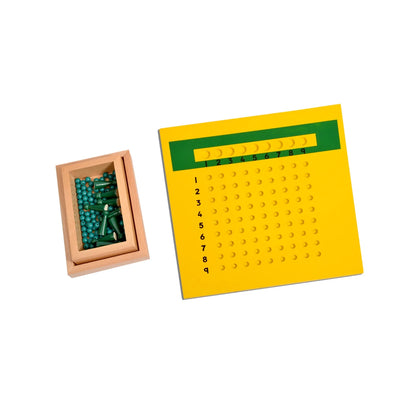
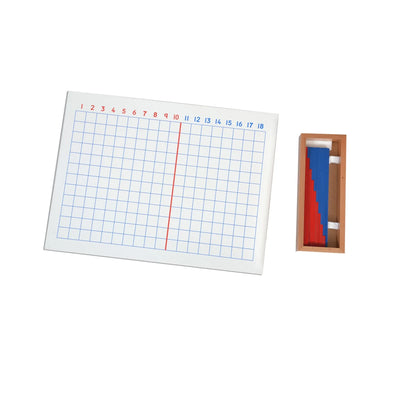
For primary schoolers, the materials become more complex. You'll need resources for Cosmic Education (timelines, maps), advanced language (grammar boxes, word study cards), and mathematics (bead frames, geometric cabinet). Many of these can be sourced from reputable Montessori suppliers like SkilloToys.com, which offers high-quality, authentic materials. Remember, the material is not the lesson; it's a tool for the child to discover the concept themselves. Investing in quality, durable materials is an investment in your child's learning journey.
Overcoming Challenges and Seeking Support in India
Parents considering primary school homeschooling India-style often worry about socialisation, structure, and government recognition. While formal school structures are absent, active participation in local homeschooling networks, community classes, and extracurricular activities provides ample social interaction. Many Indian cities have vibrant homeschooling communities that organise field trips, co-ops, and social gatherings, ensuring children develop strong social skills.
Regarding recognition, parents can opt for open schooling boards like NIOS (National Institute of Open Schooling) for examinations and certifications, which are widely accepted for higher education. SkilloToys.com serves as a resource not just for materials, but also for guidance and connection within the Indian Montessori community, helping parents navigate their homeschooling journey with confidence. Remember, the goal is not to replicate school at home, but to create a rich, responsive learning environment that celebrates your child's individuality.