Board Games for Kids: Holistic Development & Academic Ease
Research definitively shows that incorporating board games for kids aged 5-8 significantly enhances holistic development and serves as a powerful tool to ease the pervasive academic pressure faced by primary schoolers across India. These engaging activities cultivate crucial cognitive, social, and emotional skills, providing a balanced learning experience beyond textbooks.
Educational board games are structured play activities designed to foster learning through interactive engagement. This matters because they provide a joyful, low-stakes environment for children to develop critical thinking, social skills, and emotional regulation. Indian parents can leverage these games to enrich their child's learning journey and build stronger family bonds.
Beyond Textbooks: The Comprehensive Benefits of Board Games for Child Development
For children aged 5-8 years, a period of rapid cognitive and social growth, board games offer a unique blend of fun and learning. Child development experts agree that these interactive tools are indispensable for nurturing a well-rounded personality, far beyond what traditional rote learning might offer. They are an integral part of fostering foundational life skills.
Studies indicate that children who regularly engage with educational board games for kids exhibit improved problem-solving abilities by up to 25% compared to their peers. These games challenge young minds to strategize, anticipate outcomes, and adapt their plans, honing critical thinking from an early age. Whether it’s deciding the next move in a game of Ludo or planning to collect specific cards, children are constantly processing information.
In the heart of Indian homes, where joint families often gather, board games offer a wonderful intergenerational activity that builds crucial social-emotional skills. Children learn to take turns, share, negotiate, and gracefully accept both wins and losses. This direct interaction helps cultivate empathy, patience, and resilience – qualities vital for navigating social dynamics in school and within the family structure.
Furthermore, many board games inherently promote language development and mathematical reasoning. From reading game instructions and identifying objects to counting spaces and calculating scores, children naturally practice literacy and numeracy skills in an engaging context. This hands-on approach, echoing Maria Montessori’s philosophy, transforms abstract concepts into tangible experiences.
The physical act of moving pawns, shuffling cards, or placing pieces on a board also refines fine motor skills and hand-eye coordination. These seemingly simple actions contribute significantly to a child's overall dexterity and readiness for writing and other detailed tasks. The holistic nature of board game play ensures no developmental area is left behind.
Easing the Pressure Cooker: Board Games to Reduce Academic Stress
Navigating the rigorous academic expectations of primary schools in cities like Bengaluru, Mumbai, or Delhi often leaves children with little time for unstructured play, contributing to significant stress. The rising concerns among India’s youth, highlighted by recent protests across UP, Bihar, and Rajasthan and reports from outlets like The New York Times noting ‘We Are Not Learning Anything,’ underscore a deep dissatisfaction with purely rote-based learning. This makes board games to reduce academic stress more vital than ever.
Board games provide a much-needed break from the formal, performance-driven environment of school. They offer a relaxed, joyful space where learning feels organic and unburdened by grades or competitive rankings. This shift in perception allows children to approach challenges with curiosity rather than anxiety, fostering a healthier relationship with learning itself.
Engaging in a friendly game with siblings, parents, or grandparents creates a strong sense of connection and belonging. This family bonding time, especially cherished during festival breaks or long summer holidays, acts as a powerful buffer against academic pressure. It reinforces the idea that learning can be collaborative and fun, not just a solitary struggle.
Moreover, succeeding in a board game, even a simple one, builds immense confidence. This confidence, earned outside the academic sphere, can positively spill over into school performance. It reminds children of their capabilities, their ability to think strategically, and their resilience in the face of setbacks, without the added weight of textbook learning.
Choosing the Best Educational Board Games for 5-8 Year Olds in India
Selecting the right board games is crucial for maximizing their developmental benefits for primary schoolers. When looking for the best board games for primary schoolers India, consider age-appropriateness, complexity, and the specific skills you wish to nurture. The market offers a diverse range of options tailored to different learning styles and interests.
For building cognitive prowess, look for games that involve problem-solving and strategy. From classic jigsaw puzzles that sharpen spatial reasoning to complex strategy games that require forward-thinking, the options are vast. Memory games, sequencing games, and logical deduction challenges are excellent for developing a child's intellectual capabilities during these formative years.
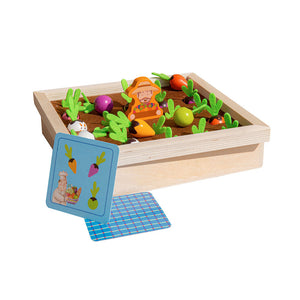
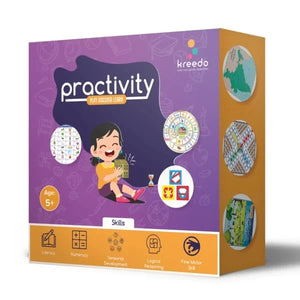
To enhance practical skills and hands-on learning, many activityKits also cleverly incorporate game-like elements, blending learning and fun seamlessly. These often involve sorting, matching, and constructive play, aligning perfectly with the developmental needs of children aged 5-8. Consider games that foster creativity and imaginative play, allowing children to construct their own narratives.
For language and math skills, there are numerous board games for 5-8 year olds designed specifically to reinforce these foundational subjects. Word-building games, number-counting games, and simple arithmetic challenges make learning enjoyable and less intimidating. These games provide a playful environment for children to practice and master concepts they might find challenging in a textbook format.
Integrating Montessori Board Games into Your Child's Routine
Montessori education emphasizes hands-on learning, self-correction, and the development of concentration and independence. Montessori board games naturally embody these principles, making them an excellent addition to any child’s learning journey. They provide a 'prepared environment' where children can explore, experiment, and learn at their own pace, much like the sensorial materials in a Montessori classroom.
To integrate these effectively, set aside dedicated family game time each day or week, perhaps during evenings or on weekends when grandparents are visiting. Encourage children to choose the games themselves, fostering a sense of ownership and independence. Observe their play to understand their interests and challenges, gently guiding them without imposing strict rules or outcomes.
Consider games that involve sorting, matching, pattern recognition, and sequencing, which directly relate to Montessori concepts of order and classification. Many commercially available board games can be adapted to align with these principles, focusing on the process of discovery and learning rather than just winning. This approach supports a child's natural inclination to learn and explore.
A Holistic Approach: Why Board Games are Essential for Primary Schoolers
In a world increasingly focused on academic metrics, the profound, multifaceted benefits of board games often go underestimated. For primary schoolers in India, board games are not merely leisure activities; they are powerful educational tools that foster holistic development, mitigate academic pressure, and strengthen family bonds. They are an essential component of a balanced childhood.
Child development experts definitively state that play, particularly structured play like board games, is critical for brain development, emotional regulation, and social competence. Integrating these games into a child’s routine provides a rich, engaging, and joyful pathway to learning that complements formal schooling and prepares children for life’s broader challenges.
SkilloToys.com believes in nurturing every aspect of a child’s growth. We understand the unique challenges faced by Indian parents and offer a curated selection of educational toys and Montessori Method learning materials, including an array of fantastic board games, designed to support your child’s journey towards becoming a confident, well-rounded individual.
- Board games for kids aged 5-8 significantly enhance holistic development, covering cognitive, social, and emotional skills.
- Studies indicate that children engaging with educational board games show improved problem-solving abilities by up to 25%.
- Board games serve as a vital tool to reduce academic pressure, offering a joyful learning alternative to formal schooling in India.
- Montessori board games align with principles of self-directed learning, hands-on engagement, and fostering independence.
- Child development experts agree that regular board game play boosts emotional intelligence and resilience, potentially reducing academic anxiety.
- Family engagement through board games strengthens bonds and creates a supportive learning environment, particularly in Indian joint families.