Child's Right to Education in Primary School India: Montessori Joy
Ensuring a child's right to education primary school India extends beyond mere access; it fundamentally means upholding their right to learn joyfully and without undue pressure. As global discourse, echoed by India at the UN, emphasizes the protection of children's learning environments, Montessori principles offer a proven framework to champion a truly holistic and pressure-free primary education. This approach directly counters the intense academic competition often seen in Indian schools, fostering an environment where children thrive naturally.
Pressure-free education in primary schools is an approach where learning is driven by curiosity and intrinsic motivation, not by fear of failure or intense competition. This matters immensely because it cultivates a lifelong love for learning and supports a child's mental well-being, crucial for holistic development. Indian parents can advocate for and implement elements of this approach by choosing schools or supplementing learning at home with child-led, activity-based methods.
Upholding a Child's Right to Joyful Learning India Primary
Upholding a child's right to joyful learning India primary means creating environments where curiosity is the compass, not a rigid curriculum. Maria Montessori's method designs classrooms as 'prepared environments' where children aged 5-8 freely choose activities that pique their interest, fostering deep engagement and a genuine love for discovery. This child-led approach is crucial for sustained motivation.
Research shows that children in self-directed learning environments exhibit higher levels of motivation and a more positive attitude towards school, directly countering the often-stressful 'study for marks' culture prevalent in many Indian primary settings. This freedom, guided by skilled educators, allows each child to progress at their own pace, celebrating every small mastery. Such an environment naturally cultivates a deep respect for the learning process itself, rather than solely focusing on outcomes.
The emphasis on hands-on exploration through specially designed Montessori materials ensures that learning is an active, sensory experience. Children engage with concepts by manipulating concrete objects, leading to deeper understanding and retention. This contrasts sharply with rote memorization, which often leaves children feeling overwhelmed and disengaged from their studies.
Solutions for Academic Pressure Primary School India through Montessori
Addressing academic pressure solutions India for primary school children is a critical concern for parents, and Montessori offers robust frameworks. In Montessori primary classrooms, multi-age grouping (e.g., 6-9 years) allows younger children to learn from older peers and older children to reinforce their knowledge by teaching. This collaborative environment reduces competitive stress and promotes peer mentorship, a stark contrast to the singular focus on individual scores.
The individualized pace of learning inherent in the Montessori method is a direct antidote to the pressure cooker atmosphere of many Indian primary schools. A child is never rushed; they move on to new concepts only when they have fully grasped the current one. This mastery-based approach builds strong foundational knowledge and confidence, essential for navigating future academic challenges without anxiety. This is vital for promoting pressure-free education primary school settings.
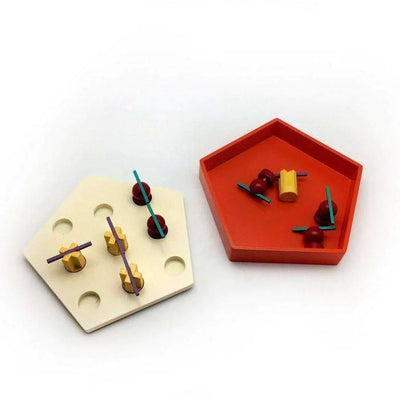
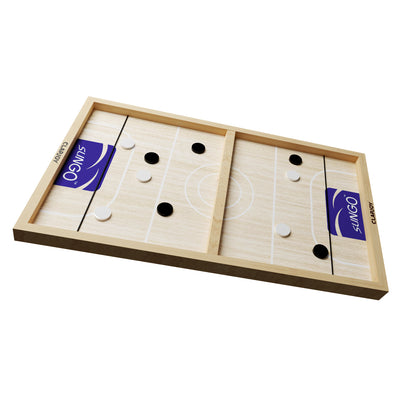
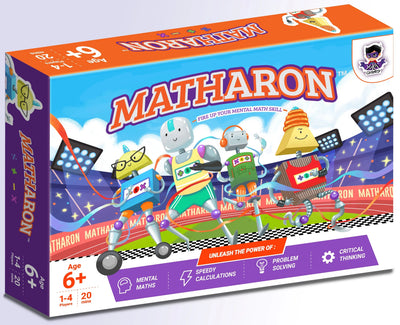
Moreover, the Montessori curriculum encourages critical thinking and problem-solving over mere memorization, equipping children with lifelong learning skills. This approach resonates with Indian families, where grandparents often play a vital role in imparting wisdom and practical skills, reinforcing learning beyond textbooks. Such integrated learning experiences, supported by resources like engaging educational puzzles, make learning a joyful and collaborative family affair.
The Montessori Right to Learn: Holistic Development India Primary
The Montessori right to learn fundamentally advocates for holistic education India primary, recognizing that a child’s development extends far beyond academic achievements. This method nurtures cognitive, social, emotional, and physical growth in an integrated manner, ensuring a well-rounded individual. Practical life activities, for instance, teach independence, concentration, and coordination through everyday tasks, preparing children for real-world responsibilities and building self-esteem.
Sensorial materials, like the iconic Pink Tower or Sandpaper Letters, refine a child's senses, indirectly preparing them for complex mathematical and linguistic concepts. Child development experts agree that early development of sensory perception and fine motor skills is paramount for cognitive development and academic readiness. This focus on comprehensive growth helps children manage the complexities of primary school life, both inside and outside the classroom.
By fostering a sense of community and personal responsibility, Montessori education cultivates empathy and social skills, crucial in India's diverse social fabric, including joint families and vibrant festival celebrations. Children learn to interact respectfully, resolve conflicts peacefully, and contribute positively to their environment. These social-emotional skills are invaluable, complementing academic prowess and promoting a balanced approach to life.
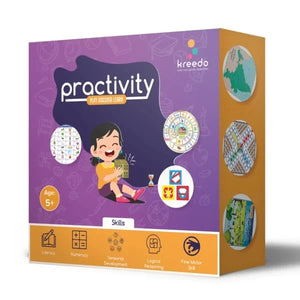
Incorporating diverse resources like activity kits that encourage open-ended exploration and creativity further enhances this holistic journey. These materials allow children to delve into various subjects at their own pace, making learning an exciting adventure. You can explore a wide range of these enriching resources designed for comprehensive child development at SkilloToys.com.
- Montessori principles are instrumental in upholding a child's fundamental right to joyful and pressure-free education in Indian primary schools.
- A child-led learning environment significantly boosts intrinsic motivation and fosters a lifelong love for learning, directly reducing academic anxiety for children aged 5-8 years.
- Montessori's multi-age classrooms and individualized pace offer concrete solutions to the pervasive academic pressure prevalent in India.
- Holistic development, encompassing cognitive, social, emotional, and physical growth, is central to the Montessori approach for children in primary school.
- The emphasis on practical life skills and sensorial exploration equips children with confidence and real-world understanding beyond rote memorization, preparing them for future challenges.
- Indian parents have a critical role in advocating for and supplementing learning environments that prioritize a child's well-being and natural curiosity, aligning with India's stance on the right to quality education.
How does Montessori specifically address academic pressure in Indian primary schools?
Montessori addresses academic pressure by focusing on individualized learning paces, multi-age classrooms, and hands-on, self-correcting materials. This approach allows children to master concepts deeply rather than rushing through a standardized curriculum, reducing stress and fostering genuine understanding. It contrasts sharply with rote learning, encouraging critical thinking.
Can Montessori principles be integrated into a traditional Indian primary school setting?
Yes, Montessori principles can be integrated by encouraging more child-led activities, providing hands-on materials, and fostering a classroom culture that values cooperation over competition. Teachers can implement elements like individualized work plans, choice within tasks, and a focus on practical life skills, even within a traditional curriculum framework. This enhances engagement and reduces stress.
What age range benefits most from a Montessori approach to avoid learning pressure?
Children from infancy through primary school (0-12 years) benefit significantly, with the 5-8 years age group experiencing profound positive effects in a prepared Montessori environment. This period is crucial for developing intrinsic motivation and a love for learning, which are vital in countering future academic pressures. Early exposure builds a strong foundational mindset.
Are Montessori educational toys relevant for children in primary school (5-8 years) in India?
Absolutely. Montessori educational toys and materials for 5-8 year olds in India are designed to engage children deeply with abstract concepts through concrete, self-correcting experiences. They support development in math, language, science, and practical life skills, acting as valuable supplements to formal schooling and fostering independent learning at home.
How does Montessori ensure holistic development for children aged 5-8 years?
Montessori ensures holistic development by nurturing cognitive, social, emotional, and physical growth simultaneously. Activities are designed to develop concentration, coordination, independence, and a sense of order, alongside academic skills. This integrated approach fosters a well-rounded individual, capable of critical thinking and empathetic interaction, crucial for success in India.
Is Montessori effective in preparing children for competitive exams later in India?
Yes, Montessori effectively prepares children for future academic challenges, including competitive exams, by fostering critical thinking, problem-solving skills, and a strong conceptual understanding rather than rote memorization. Children learn how to learn, adapting to new challenges with confidence and an inquisitive mind, which are invaluable long-term assets for navigating India's educational landscape.