Child's Right to Education India: Montessori Home Learning
Amidst global discussions underscoring the fundamental nature of education, upholding your child's right to education in India means actively cultivating a nurturing home environment where learning is respected and safeguarded, mirroring India's steadfast advocacy at the UN. Montessori strategies offer a powerful, child-centric framework for Indian parents of 5-8 year olds to create such a space, empowering children to learn authentically and develop crucial life skills amidst rising academic pressures.
A nurturing learning environment for children aged 5-8 is a home setting prioritizing a child's inherent curiosity, autonomy, and holistic development over rote learning. This matters because it directly supports a child's fundamental right to learn joyfully and effectively. Indian parents can establish this by integrating Montessori principles and respecting individual pace.
Upholding the Child's Right to Education India Through a Prepared Environment
Ensuring the child's right to education in India extends beyond formal schooling to the very heart of the home, particularly during the formative early school years (5-8). Maria Montessori herself emphasized the significance of a 'prepared environment'—a space thoughtfully designed to meet a child's developmental needs and foster independence. For Indian families, this means carving out a dedicated, orderly space where learning materials are accessible and activities are inviting, allowing children to engage freely and purposefully.
Research consistently shows that children in prepared environments, like those advocated by Montessori, exhibit greater concentration and self-discipline, skills crucial for navigating primary school challenges. This proactive approach helps mitigate the stress often associated with academic expectations, providing a sanctuary where learning is a natural, joyful exploration rather than a burden. A clutter-free, aesthetically pleasing space encourages respect for materials and the learning process itself.
Creating a Nurturing Learning Environment Kids Thrive In
A truly nurturing learning environment for kids aged 5-8 prioritizes emotional security and respect for the child's individual journey, standing in gentle contrast to the often competitive atmosphere of some traditional primary schools in India. Child development experts agree that a sense of belonging and psychological safety are foundational for optimal cognitive development. This environment empowers children to make choices, learn from mistakes, and pursue their interests without fear of judgment.
In many Indian joint families, grandparents often play a vital role in a child's early education. Integrating their wisdom with Montessori principles can create a rich tapestry of learning, where storytelling, traditional crafts, and practical life activities become engaging lessons. This intergenerational exchange fosters a strong cultural connection while subtly reinforcing a child's autonomy and intrinsic motivation to learn.
Montessori Home Learning India: Reducing Academic Pressure Primary School Solutions
The rising cost of learning in India and the associated pressure to excel can weigh heavily on both parents and children. Montessori home learning offers potent academic pressure primary school solutions by shifting the focus from external validation to internal satisfaction and mastery. Children aged 5-8 are naturally curious; Montessori capitalizes on this by providing hands-on materials that allow self-correction, enabling them to discover concepts independently.
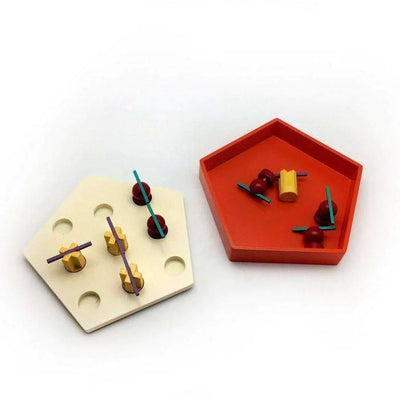
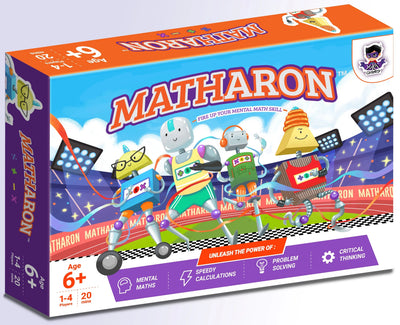
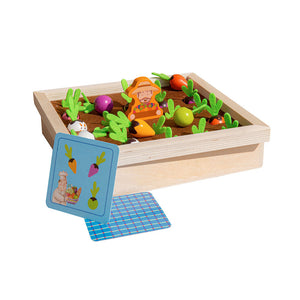
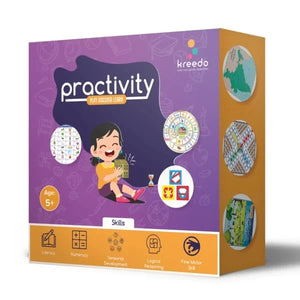
By engaging their minds with challenging puzzles, working through practical life activityKits that teach real-world skills, or exploring a wide range of Montessori Method learning materials, children build confidence and resilience. Studies indicate that play-based learning, a cornerstone of Montessori, can reduce stress and anxiety in children, positively impacting their cognitive development and academic outcomes, particularly in high-pressure educational systems like India's. This individualized approach respects each child's learning style and pace.
Fostering Early Years Development India: Beyond Rote Learning
The early years development in India, specifically for children aged 5-8, is a critical period for developing foundational cognitive, emotional, and social skills. While traditional methods often emphasize rote learning and memorization, Montessori champions a holistic approach that nurtures the whole child. It recognizes that true learning stems from deep engagement and understanding, not just surface-level recall.
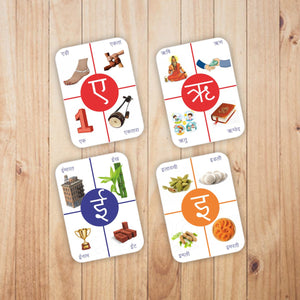
This includes developing fine motor skills through manipulation of concrete materials, enhancing language skills through rich conversations and phonetic awareness, and cultivating social graces through respectful interactions. For instance, using sandpaper letters helps children connect sound to symbol, a more multi-sensory and effective approach than simply memorizing alphabets. Such activities foster a genuine love for learning that lasts a lifetime.
Practical Steps for Creating a Safe Learning Space at Home
Creating a safe learning space extends beyond physical safety to encompass emotional and intellectual security. For Indian parents, this means providing freedom within limits – allowing choices while setting clear, consistent boundaries. It also involves being a keen observer of your child, understanding their interests and challenges without constant interference or judgment, mirroring the Montessori teacher's role as a guide.
Ensure the space is well-lit, free from excessive distractions, and stocked with materials that encourage concentration and independent work. Regularly rotate materials to keep interest alive, perhaps introducing new items during festival breaks or as a child masters existing skills. This proactive approach to creating a supportive home environment fundamentally respects and protects your child's inherent right to a rich and meaningful education.
- The child's right to education in India extends to a respectful, prepared home learning environment.
- Montessori strategies empower children aged 5-8 with independence, self-discipline, and a love for learning.
- A nurturing home environment prioritizes a child's holistic development over academic pressure.
- Integrating Montessori with traditional Indian family values enriches a child's educational experience.
- Hands-on Montessori materials are crucial tools for reducing stress and enhancing cognitive development.
- Parents play a key role in creating a safe, stimulating learning space through observation and guidance.
What does a child's right to education in India mean for home learning?
A child's right to education in India, particularly for those aged 5-8, extends to ensuring their home environment actively supports and nurtures their innate curiosity and intellectual development. It implies creating a space free from undue pressure where learning is a joyful, self-directed process, reflecting national commitments to educational equity.
How do Montessori strategies reduce academic pressure for 5-8 year olds?
Montessori strategies reduce academic pressure by focusing on individualized learning, hands-on exploration, and the development of intrinsic motivation, rather than external rewards or comparison. This approach allows children to learn at their own pace, fostering deep understanding and competence, which naturally alleviates stress associated with rote memorization.
What are practical ways to create a nurturing learning environment for kids in Indian homes?
Practical ways include designating a 'prepared environment' with accessible, age-appropriate materials, fostering independence by allowing choice in activities, and modeling respect for learning. In Indian homes, this can mean integrating traditional values of respect with Montessori principles of self-discovery, perhaps with grandparent involvement in activity time.
Can Montessori be effectively integrated with traditional Indian primary schooling?
Yes, Montessori principles can be effectively integrated. By nurturing independence, problem-solving skills, and a love for learning at home, children are better equipped to adapt to traditional school settings while maintaining their intrinsic motivation. The focus on executive function skills developed through Montessori complements the curriculum requirements of primary school.
What role do educational toys play in home learning for primary school children?
Educational toys, especially Montessori-aligned materials, play a crucial role by providing concrete, self-correcting tools that engage children's senses and intellect. They facilitate learning through discovery, enhance concentration, and develop fine motor skills and cognitive abilities essential for academic success and holistic early years development.