Choosing Montessori Educational Toys for 5-8 Year Olds
Choosing the right educational toys for 5-8 year olds in India requires a balanced approach, focusing on holistic development over rote learning, even amidst intense academic pressure. Parents should select Montessori-inspired materials that foster critical thinking, problem-solving, and independence, building a robust foundation for future learning beyond mere academic scores. These carefully chosen tools empower children to excel both in school and in life.
Educational toys for 5-8 year olds are thoughtfully designed materials that engage children in active, self-directed learning, supporting their cognitive, social, and emotional growth. This matters because they build foundational skills beyond textbooks, crucial for navigating complex academic demands. Indian parents can leverage these tools to complement school learning, fostering genuine curiosity and resilience.
Understanding India's Academic Landscape for 5-8 Year Olds
India's educational environment for primary school children, typically aged 5-8 years, is often characterized by significant academic pressure. Reports from Newslaundry indicate that nearly 4 in 10 Indian children attend private schools, reflecting parental anxieties about education quality and a drive for competitive excellence. This context often prioritizes early literacy and numeracy, sometimes at the expense of creative and holistic development.
Many Indian parents are caught between the desire for their children to excel academically and the understanding that true learning extends beyond rote memorization. The news often highlights debates about the effectiveness and cost of education, even questioning why parents pay exorbitant fees when 'learning is free online' as NDTV noted. This creates a challenging environment where every learning tool, including educational toys, must genuinely contribute to a child's development.
Montessori Principles for Primary School Years (5-8)
Maria Montessori's philosophy offers a powerful antidote to this pressure-cooker environment by emphasizing self-directed activity, hands-on learning, and collaborative play. For 5-8 year olds, this means moving beyond simple sensory exploration to more abstract concepts, supported by concrete materials. Child development experts agree that this age group benefits immensely from purposeful activities that build concentration, order, coordination, and independence.
Montessori education for this age group, often called the 'second plane of development,' focuses on developing social consciousness, moral reasoning, and a burgeoning imagination. It recognizes the child's innate drive to understand the world and their place within it. Therefore, Montessori toys for 5-8 year olds are designed to facilitate this intellectual and social growth, allowing children to learn at their own pace and follow their own interests.
Key Considerations for Choosing Montessori Toys for 5-8 Year Olds
Selecting the right Montessori toys for 5-8 year olds requires thoughtful consideration, ensuring they align with developmental needs and complement formal schooling. Parents are advised to look beyond simple entertainment value and focus on materials that offer genuine educational depth.
Age-Appropriateness and Skill Development
Ensure the toy challenges your child without overwhelming them, targeting specific developmental milestones for this age range. For 5-8 year olds, materials should foster cognitive skills like problem-solving and critical thinking, enhance fine and gross motor skills, and support social-emotional growth through imaginative play. For instance, activities that require sequencing or logical steps are excellent.
Durability and Safety for Indian Homes
In bustling Indian homes, often with joint families and multiple children, durability is paramount. Opt for high-quality, non-toxic materials, preferably natural wood or sturdy, child-safe plastics. Toys should be free from small parts that could pose a choking hazard and able to withstand frequent use by siblings or cousins, even during festive gatherings. Research shows that well-made, durable toys are more likely to be used consistently and passed down, offering greater value.
Engagement and Open-Ended Play
The best educational toys encourage open-ended play, allowing children to explore multiple solutions and express creativity. Avoid toys with a single, predetermined outcome. Look for items that can be integrated into various play scenarios, stimulating imagination and sustained engagement. Such toys are crucial for developing adaptability, a key skill for future success.
Best Educational Toys for Primary School India: Examples
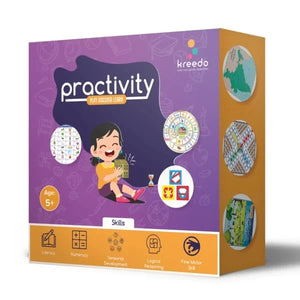
To truly support your child's growth amidst India's academic landscape, consider these exemplary Montessori learning materials that double as effective kids learning toys.
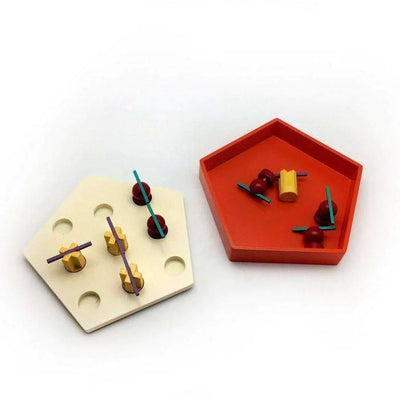
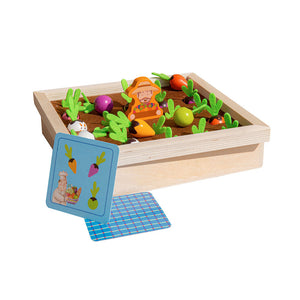
- Puzzles and Logic Games: Engaging puzzles, from complex jigsaws to geometric shape sorters, are fundamental for spatial reasoning, problem-solving, and patience. Logic games like memory matching or sequencing activities sharpen critical thinking, which is invaluable for math and science concepts in school.
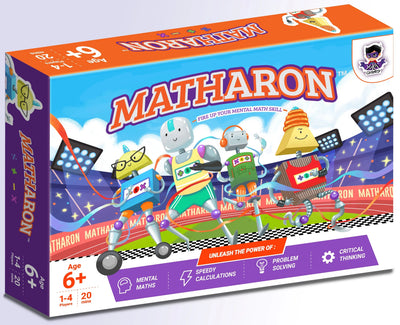
- Math Manipulatives: Concrete materials like bead bars, number rods, and fraction insets make abstract mathematical concepts tangible. These allow children to physically manipulate quantities, understand place value, and grasp basic operations, building a strong foundation before formal algebra.
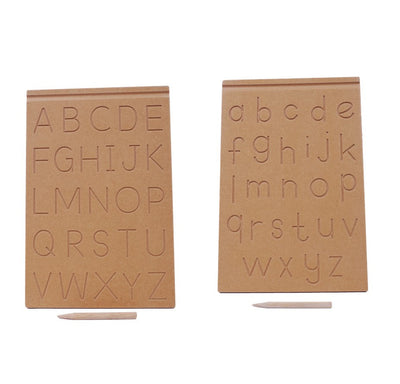
- Language Materials: Sandpaper letters and movable alphabets help children connect sounds with symbols, fostering early literacy and phonics. For 5-8 year olds, grammar boxes introduce parts of speech in a hands-on way, making language rules accessible and engaging.
- Science & Culture Activity Kits: Kits focusing on botany, zoology, geography, or even Indian festivals can ignite curiosity about the world. These allow for hands-on exploration of scientific principles or cultural knowledge, connecting classroom learning to real-world experiences.
- Practical Life Activities: Though often introduced earlier, advanced practical life activities like sewing, weaving, or food preparation develop fine motor skills, concentration, and a sense of responsibility. These tasks build independence and confidence, traits essential for navigating academic and social challenges.
Fostering Learning Beyond School: The Indian Home Environment
Integrating these educational toys into the daily rhythm of an Indian home, whether a bustling joint family or a nuclear unit, is key. Designate a 'learning corner' where these materials are easily accessible, encouraging children to choose their activities independently. The involvement of grandparents can be particularly enriching; they can share stories, teach traditional games, and provide a calm, supportive presence, reinforcing learning through cultural context.
Creating an atmosphere where learning is seen as a joyous exploration, not just a means to an academic end, is vital. Encourage children to discuss what they've learned, make connections between their toys and school lessons, and even 'teach' family members. This approach, supported by effective learning tools, ensures children develop a lifelong love for learning, empowering them to thrive in any environment.
- Choosing educational toys for 5-8 year olds in India must balance academic preparation with holistic development.
- Montessori principles foster critical thinking, problem-solving, and independence, crucial for success beyond rote learning.
- Durable, safe, and open-ended toys are essential for sustained engagement in Indian home environments.
- Specific Montessori materials like puzzles, math manipulatives, and activity kits are effective for primary school children.
- Integrating educational toys into daily home life, often with grandparent involvement, reinforces a love for learning.
- Studies indicate that hands-on, play-based learning improves retention, creativity, and deeper understanding in children.
What kind of educational toys are best for a 5-year-old in India?
For a 5-year-old, the best educational toys in India are those that encourage hands-on exploration and problem-solving. Look for Montessori materials like practical life activities, basic math manipulatives, and creative arts supplies that foster independence and foundational skills.
How do Montessori toys help primary school children with academic pressure?
Montessori toys help primary school children manage academic pressure by building a strong foundation in critical thinking, self-directed learning, and intrinsic motivation. They transform abstract concepts into tangible experiences, making learning engaging and reducing reliance on rote memorization, which is prevalent in Indian schooling.
Are Montessori toys suitable for joint family homes in India?
Yes, Montessori toys are highly suitable for joint family homes in India, as they often promote collaborative play and can be used by children of various ages under adult supervision. Their durable, open-ended nature encourages interaction and shared learning experiences amongst siblings and cousins, often overseen by grandparents.
What are some best learning toys for primary school children in India?
The best learning toys for primary school children in India include wooden puzzles, logical reasoning games, activity kits for science or language, and cultural materials that introduce local traditions. These toys encourage active engagement, develop fine motor skills, and stimulate cognitive growth in a culturally relevant context.
When should parents introduce kids learning toys to manage school studies?
Parents should introduce kids learning toys from an early age, ideally alongside school studies, to reinforce concepts and develop a love for learning. For 5-8 year olds, these toys can be integrated to complement classroom lessons, making abstract topics like math or language more concrete and enjoyable outside formal schooling.