Education in Conflict: Montessori Builds Primary Resilience
Montessori pedagogy significantly enhances children's resilience and ensures learning continuity in conflict zones, thereby upholding the universal right to education for primary schoolers (5-8 years) facing immense challenges. This structured, child-centric approach empowers children to navigate adversity by fostering independence, self-regulation, and a deep love for learning, even when their world feels uncertain. India's recent advocacy at the UN, highlighting attacks on schools and the critical need to protect children's right to learn, underscores the urgency of such educational frameworks.
Montessori resilience in crisis refers to the framework's unique ability to equip children with emotional fortitude and adaptive skills amidst challenging circumstances like conflict. This matters because stable learning environments are often disrupted, jeopardizing child development during conflict. Indian parents, striving to offer the best amidst various pressures, can actively integrate Montessori principles at home to create a predictable, empowering space for their children.
Upholding Children's Right to Education in Conflict Zones
Child development experts agree that access to education is a fundamental human right, even more so in times of crisis. When schools are attacked or disrupted, as tragically happens in many global conflict zones, children lose not just academic opportunities but also safe spaces and a sense of normalcy. The National Education Policy (NEP 2020) in India also emphasizes a holistic, flexible learning environment, aligning with the need for adaptable educational solutions.
Research shows that children exposed to conflict are at a higher risk of psychological distress, developmental delays, and academic setbacks. A study by UNICEF indicates that millions of children globally are deprived of education due to conflict and displacement, underscoring the severe impact. Montessori education, with its focus on self-directed learning and a prepared environment, offers a stable anchor amidst chaos, enabling children to continue their intellectual and emotional growth.
Montessori Resilience in Crisis: Fostering Inner Peace and Self-Regulation
The Montessori method inherently builds resilience by empowering children with agency and practical life skills. For primary schoolers (5-8 years) navigating stress, the ability to make choices, solve problems independently, and engage in purposeful work is invaluable. This self-directed learning helps them develop an inner calm, a crucial attribute when external circumstances are volatile.
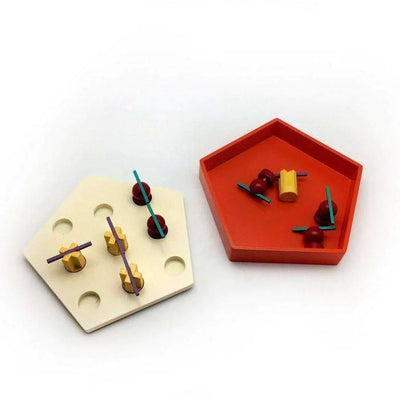
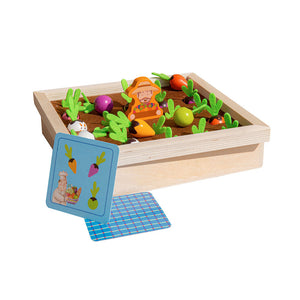
In a typical Indian home, where academic pressure can be high, introducing Montessori-inspired activities can reduce anxiety and build confidence. Materials like puzzles, for example, teach logical thinking and persistence, skills that directly contribute to problem-solving in challenging situations. This approach contrasts sharply with rote learning, which often adds to children's stress without building genuine understanding or emotional robustness.
Learning Continuity Conflict Zones: Building Structure and Predictability
A consistent, predictable environment is paramount for children's well-being, especially when their external world is unpredictable. The Montessori classroom, or a Montessori-inspired home setup, offers this through its structured routines and carefully organized materials. Children thrive on order, and this stability provides a psychological anchor, helping them process stress and maintain a focus on learning.
For families in India who may be dealing with various disruptions, from family relocations to adapting to new schooling methods, establishing a Montessori-like rhythm can be profoundly beneficial. Even simple routines, like a dedicated time for independent exploration with activity kits or quiet reading, can create a much-needed sense of security and foster continuous learning, regardless of external events.
Child Development During Conflict: Empowering Agency Through Self-Directed Learning
Maria Montessori's philosophy is rooted in respecting the child's innate drive to learn and grow. In a crisis, this means empowering children to take charge of their learning, offering them choices within limits, and allowing them to follow their interests. This sense of control is crucial for healthy child development during conflict, helping to counteract feelings of helplessness and anxiety.
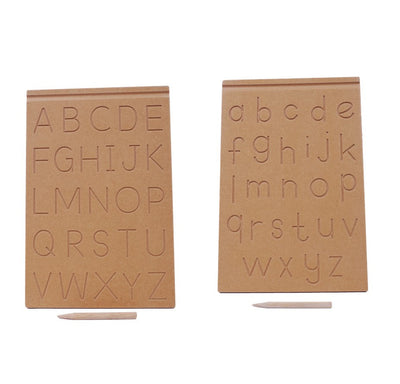
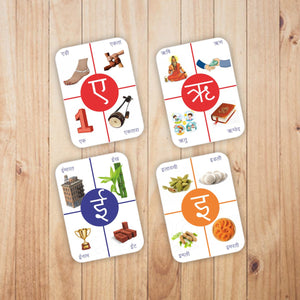
For children aged 5-8, this can translate into working with Montessori materials like the Golden Beads for mathematics or Sandpaper Letters for language, which offer tangible, self-correcting learning experiences. These materials allow children to discover concepts at their own pace, building mastery and competence that reinforce their self-esteem and belief in their abilities, irrespective of the external environment. This intrinsic motivation is key to navigating long-term challenges.
The Role of Montessori Materials in Healing and Focus
Montessori materials are designed not just for academic learning but also to engage children's senses and promote concentration. In times of emotional upheaval, the focus required for activities like assembling the Pink Tower or tracing Geometric Cabinet insets can be incredibly therapeutic. This engagement helps channel anxiety into productive, calming work.
For Indian parents, particularly those in joint families where space or quiet might be a premium, even a small dedicated area with purposeful materials can make a significant difference. Grandparents often play a crucial role in supporting children's learning; they can encourage exploration with these materials, fostering a sense of routine and nurturing the child's innate curiosity away from external pressures and news cycles.
- Montessori pedagogy significantly enhances resilience and learning continuity for primary schoolers (5-8 years) in challenging environments.
- India's advocacy at the UN highlights the critical importance of protecting children's right to education in conflict zones.
- The Montessori method builds inner peace and self-regulation by fostering independence and problem-solving skills.
- Structured routines and a prepared environment offer vital predictability, anchoring children during times of external disruption.
- Empowering children through self-directed learning combats feelings of helplessness, supporting healthy child development during conflict.
- Montessori materials provide therapeutic focus and engagement, helping children process stress and develop concentration.
How does Montessori build resilience in children?
Montessori fosters resilience by cultivating independence, problem-solving skills, and self-regulation. Children learn to adapt to challenges, manage emotions, and maintain focus through purposeful activities within a structured environment.
What is the universal right to education?
The universal right to education asserts that every child, regardless of circumstances, has the fundamental entitlement to access quality learning. This right is especially critical in conflict zones, where educational continuity is often severely disrupted.
Can Montessori principles be applied at home for older children?
Yes, Montessori principles like a prepared environment, hands-on learning, and fostering independence are highly adaptable for primary schoolers at home. Providing choices and encouraging self-correction strengthens their autonomy and academic engagement.
How do educational toys help children cope with stress?
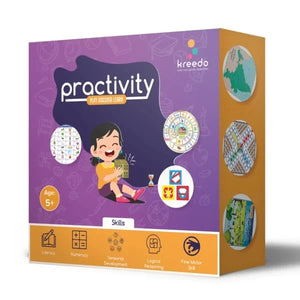
Educational toys provide a sense of normalcy and control, offering a safe outlet for expression and distraction. Engaging with puzzles and activity kits can improve concentration, develop fine motor skills, and provide a calming focus during stressful times.
Why is learning continuity important during conflict?
Learning continuity during conflict is vital for a child's psychological well-being, cognitive development, and future prospects. It offers stability, a sense of routine, and maintains hope, preventing a lost generation and aiding recovery efforts.