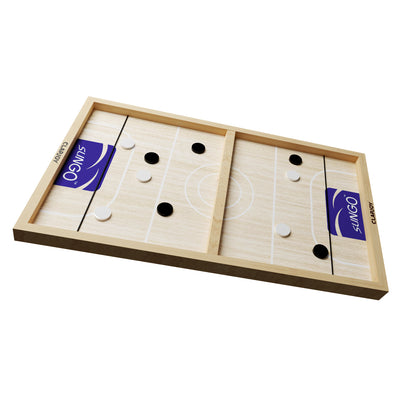
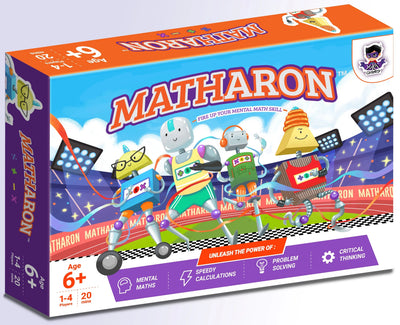
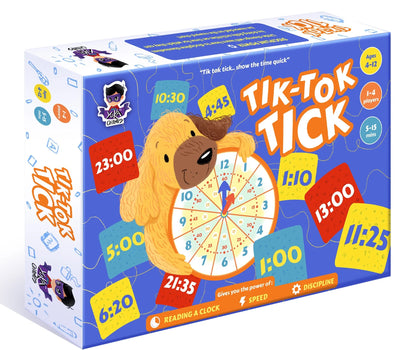
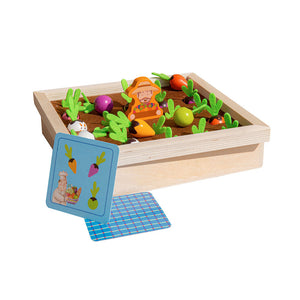
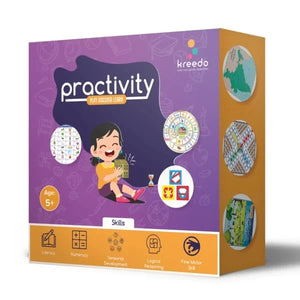
Educational Toys for Holistic Primary Success (5-8 Years) in India
In India's dynamic educational landscape, parents are increasingly seeking effective ways to support their children's primary school journey, particularly amidst growing academic pressures. High-quality educational toys are a definitive resource, proven to build robust holistic foundations for children aged 5-8 years, fostering success far beyond traditional classroom metrics. They provide a stable, enriching learning environment at home, essential for navigating an educational system that sometimes faces challenges like underfunding or quality gaps, as recent news from NDTV and UNESCO highlights.
What are Montessori Educational Toys for Primary Schoolers (5-8 Years)?
Montessori educational toys are purposefully designed, self-correcting materials that facilitate hands-on, experiential learning. This matters because children aged 5-8 learn best through direct engagement and exploration, internalizing complex concepts through tangible interactions rather than rote memorization. Indian parents can leverage these tools to empower their children with intrinsic motivation and a deep understanding, cultivating a lifelong love for learning.
Holistic Development Primary School: Beyond Rote Learning
Child development experts agree that true primary school success hinges on more than just academic scores; it requires a well-rounded individual. Montessori educational toys specifically target the holistic development of a child, encompassing cognitive, emotional, social, and physical growth. Research shows that children engaged with manipulative, self-correcting educational materials demonstrate enhanced problem-solving abilities and critical thinking, which are invaluable skills in any primary school setting in India.
Nurturing Cognitive Skills with Montessori Toys 5-8 Years
For children aged 5-8 years, cognitive development is rapidly expanding, moving from concrete thinking to more abstract reasoning. Montessori toys like puzzles, logic games, and sequencing activities are specifically designed to stimulate these evolving cognitive abilities. They challenge young minds to analyze, categorize, and synthesize information independently, building a strong foundation for subjects like mathematics and science taught in Indian primary schools.
These materials allow children to grasp complex concepts such as fractions, geometry, and language rules through repeated, self-directed interaction. For instance, the Montessori Decimal System materials make abstract mathematical concepts tangible. This hands-on approach helps children solidify understanding, preparing them for more formal academic challenges and reducing the common struggle with abstract learning.
Fostering Emotional Intelligence and Social Skills
Beyond academics, educational toys play a pivotal role in developing a child's emotional intelligence and social skills. Collaborative play with Montessori materials, whether with siblings or cousins in a joint family setting, encourages sharing, negotiation, and empathy. Role-playing sets or story-building kits help children express emotions, understand social cues, and develop communication skills essential for navigating friendships and group activities in school.
Such interactions are crucial for a child's overall well-being and ability to adapt to new environments. A child who can confidently express their feelings and work cooperatively is better equipped to handle classroom dynamics and form positive relationships, contributing to a more positive school experience.
Ease Academic Pressure Kids: Building Foundational Strength at Home
The pressure on primary school children in India can be intense, with demanding curricula and high expectations. Educational toys offer a much-needed respite, transforming learning into an enjoyable, pressure-free activity at home. They provide a safe space for exploration and mistakes, allowing children to learn at their own pace without the fear of judgment, fostering a resilient mindset.
This approach stands in stark contrast to the often rote-learning methods prevalent in some Indian schools, which can lead to anxiety and disengagement. By building a strong foundation through playful learning, parents proactively ease academic pressure, ensuring their child approaches school with confidence and curiosity.
Bridging Learning Gaps with Early School Years Development Toys
Every child learns differently, and some may struggle with certain concepts introduced in school. Activity kits and early school years development toys are excellent for addressing these individual learning gaps. For example, if a child finds reading challenging, sandpaper letters or movable alphabet sets can provide a multi-sensory approach to literacy, reinforcing classroom lessons in a gentle, effective manner.
These toys allow for personalized learning, ensuring that no child feels left behind. They empower parents to provide targeted support, turning potential weaknesses into strengths and fostering a sense of accomplishment in their children. This home-based reinforcement can make a significant difference in a child's academic confidence.
Cultivating Independence and Self-Discipline
Maria Montessori's philosophy emphasizes the importance of independence and self-discipline. Educational toys are designed with this in mind, encouraging children to choose their activities, work through challenges autonomously, and complete tasks with minimal adult intervention. This self-directed learning builds concentration, perseverance, and a strong sense of responsibility, vital traits for primary school students.
When children learn to manage their own learning, they develop critical executive function skills that extend to other areas of life, from organizing their schoolwork to participating in household chores. This sense of agency helps them become proactive learners, rather than passive recipients of information.
Academic Readiness India: Preparing for the Future with Joy
As India's education system evolves, focusing on holistic development and critical thinking becomes paramount. Equipping children with Montessori educational toys ensures they are not just ready for exams, but also for the broader challenges of learning and life. Studies indicate that children who engage in rich, hands-on learning experiences from an early age are better prepared for higher-order thinking and problem-solving, skills increasingly valued in modern education.
By investing in these tools, Indian parents are providing their children with an enduring advantage, fostering a genuine enthusiasm for knowledge that will serve them well through their academic journey and beyond.
Supporting Diverse Learning Styles in Indian Homes
In diverse Indian households, children often grow up with varied learning stimuli, from storytelling by grandparents during festivals to engaging with digital content. Montessori educational toys cater to these diverse learning styles, whether a child is a visual, auditory, or kinesthetic learner. The tactile nature of materials like the Pink Tower or geometry solids appeals directly to kinesthetic learners, while the structured progression benefits those who thrive with visual order.
This adaptability makes them ideal for supporting every child in a multi-generational home. They ensure that learning is accessible and enjoyable for everyone, celebrating individual strengths and addressing specific needs within the comfort of home, aligning perfectly with the spirit of familial support.
The SkilloToys Advantage: Quality & Purposeful Play
At SkilloToys.com, we understand the aspirations of Indian parents for their children's success. Our curated collection of Montessori method learning materials and toys are not just playthings; they are carefully designed educational instruments. Each item is selected to align with the principles of self-correction, hands-on learning, and holistic development, ensuring every purchase is an investment in your child's future. We are dedicated to providing resources that empower children to thrive, academically and personally, in an anti-pressure environment.
- Educational toys build holistic foundational skills for primary school children aged 5-8 years.
- Montessori educational toys proactively ease academic pressure by fostering intrinsic motivation and self-directed learning.
- These toys enhance cognitive skills like critical thinking and problem-solving through hands-on engagement.
- They significantly contribute to emotional intelligence and social skill development through collaborative and imaginative play.
- Early school years development toys help bridge learning gaps and support diverse learning styles effectively.
- Investing in quality educational toys provides a consistent, high-quality resource for development amidst educational system challenges.
What are educational toys for primary school children (5-8 years)?
Educational toys for children aged 5-8 years are designed to engage developing minds in purposeful play, fostering cognitive, emotional, and social skills crucial for primary school. Unlike regular toys, they offer self-correcting mechanisms and build foundational academic concepts through hands-on exploration, easing the transition to formal learning.
How do Montessori toys specifically help with academic pressure in India?
Montessori toys mitigate academic pressure by promoting self-directed learning and intrinsic motivation, crucial for Indian students facing rigorous curricula. They allow children to learn at their own pace, master concepts through repetition, and develop a genuine love for discovery, reducing the anxiety often associated with rote memorization and performance expectations.
Can educational toys truly support holistic development beyond academics?
Yes, educational toys are designed for holistic development, extending far beyond mere academics. They cultivate problem-solving, critical thinking, fine motor skills, and hand-eye coordination, while also nurturing creativity, emotional regulation, and social interaction through collaborative play, preparing children comprehensively for life's challenges.
What types of educational toys are best for a 5-8 year old's early school years development?
For early school years development (5-8 years), the best educational toys include advanced puzzles that develop logical reasoning, construction sets for spatial awareness, science activity kits for inquiry-based learning, and language materials for literacy skills. These tools encourage active participation and deeper understanding of academic concepts.
How can parents integrate educational toys into their child's routine at home?
Parents can integrate educational toys by creating a dedicated, inviting play space and allowing children to choose their activities freely, fostering independence. Encouraging focused engagement for short periods daily and participating occasionally can model enthusiasm, making learning a natural, enjoyable part of the daily routine, whether with nuclear or joint families.