Educational Toys for Learning Gaps Amidst School Closures
Amidst India’s pressing educational challenges, including widespread government school closures, educational toys for learning gaps offer a definitive and vital solution for primary schoolers (5-8 years). Research shows that these specially designed Montessori tools empower children to maintain learning continuity, actively bridge academic deficiencies, and thrive even when traditional schooling is disrupted. They provide concrete, hands-on experiences crucial for solidifying foundational knowledge.
What are educational toys for learning gaps? Educational toys for learning gaps are purposeful tools designed to reinforce specific academic concepts, address developmental delays, and provide a strong foundation for future learning. This matters because they enable children to grasp complex ideas through direct experience, crucial for Indian parents seeking to ensure their child's continuous intellectual growth and prevent academic setbacks.
India's Primary School Learning Crisis & School Closures Education India
The recent headlines, from 'Government School Closures: Impact on Education in India' to 'India’s School Education Crisis: What UDISE+ Data Reveals', paint a stark picture for parents across the nation. Reports, including those citing UDISE+ data, highlight a significant drop in foundational literacy and numeracy among primary school children. This crisis, further exacerbated by intermittent school closures, creates immense pressure on families, particularly those balancing aspirations with the 'hidden cost of educating children' as noted by NDTV.
Child development experts agree that early school years (5-8 years) are critical for cognitive development and academic foundational building. When this period is marked by disruptions, the resulting learning gaps can compound over time, making it challenging for children to catch up. Parents are actively seeking reliable and effective strategies to ensure their children do not fall behind, especially in a competitive academic environment like India's.
Montessori at Home 5-8 Years: A Solution for Continuity in Education
In response to these challenges, the Montessori method offers a powerful framework for fostering continuity in education right within the home environment. Maria Montessori’s philosophy, emphasizing self-directed learning and hands-on exploration, is perfectly suited to bridge the gaps created by school closures. For primary schoolers aged 5-8, this means moving beyond rote learning to deep understanding through engaging, purposeful activities.
Studies indicate that children who engage with Montessori materials develop stronger problem-solving skills, greater concentration, and a genuine love for learning. These principles translate seamlessly to Montessori at home 5-8 years, transforming everyday spaces into rich learning zones. Whether in a bustling joint family home in Bengaluru or a quiet corner in a grandparent’s house during festivals, Montessori tools provide a consistent, structured, yet flexible learning experience.
Bridging Gaps with Educational Toys for Learning Gaps
Montessori educational toys for learning gaps are not just playthings; they are scientifically designed learning apparatuses. For children aged 5-8, these materials target key academic areas often affected by school disruptions. Consider the golden beads for understanding mathematical concepts, fraction circles for abstract arithmetic, or the grammar symbols for dissecting language structure – these provide concrete representations of abstract ideas.
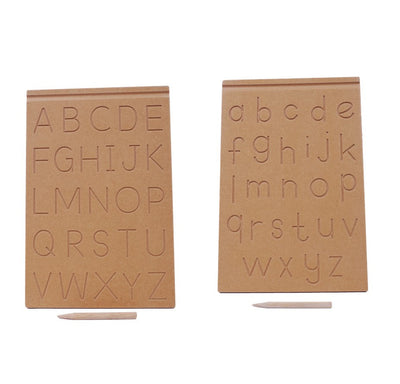
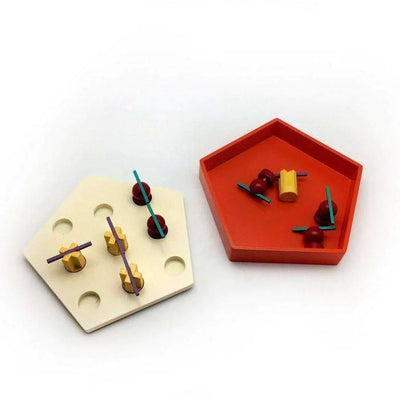
For instance, complex literacy challenges can be addressed with materials like sandpaper letters and movable alphabets, helping children decode words and build sentences independently. Similarly, geometry and spatial reasoning, often neglected during school disruptions, can be reinforced through geometric solid puzzles (puzzles) and constructive triangles. These materials ensure that foundational skills are not only learned but deeply understood and retained.
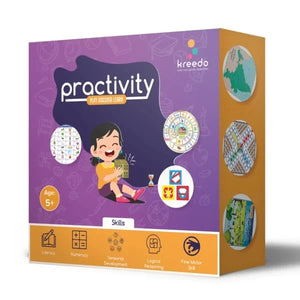
SkilloToys.com offers a curated range of such materials. Our activity kits, for example, are designed to cover various subjects, ensuring a holistic learning approach. These tools are self-correcting, allowing children to identify and learn from their mistakes without adult intervention, fostering independence and resilience, critical attributes for academic success.
Empowering Parents in Supplementary Learning Primary School
Parents are the first and most enduring educators, and their role in facilitating supplementary learning primary school cannot be overstated. With Montessori educational toys, parents can create an engaging learning environment that is balanced and anti-pressure. The focus shifts from rigid curriculum adherence to observing the child's interests and readiness, aligning with the holistic development goals championed by SkilloToys.com.
It's about providing the right tools and fostering a supportive atmosphere, rather than becoming a full-time teacher. Grandparents, often central to Indian family life, can also play a pivotal role, engaging with children through these materials and reinforcing cultural values alongside academic learning. This collaborative approach ensures that learning is an integral, joyful part of daily life, not a separate, stressful chore.
By investing in high-quality Montessori learning materials, parents are making a tangible investment in their child's long-term academic and personal growth. These tools provide a structured yet flexible pathway to navigate the current educational landscape, ensuring that every child has the opportunity to reach their full potential, bridging any learning gaps with confidence and curiosity.
- Montessori educational toys definitively bridge learning gaps for primary schoolers (5-8 years) amidst school closures in India.
- The ongoing 'India’s School Education Crisis' necessitates effective home-based learning solutions for continuity.
- Hands-on Montessori materials provide concrete experiences essential for understanding abstract concepts in math and language.
- Child development experts agree that self-directed learning fosters independence and a deeper love for education in young children.
- Utilizing tools like puzzles and activity kits at home ensures supplementary learning primary school children need to thrive.
- Parents play a crucial role in creating a balanced, anti-pressure learning environment with Montessori resources.
How do Montessori educational toys specifically address learning gaps for primary schoolers?
Montessori educational toys provide hands-on, self-correcting experiences that allow children to learn at their own pace, reinforcing concepts missed during traditional schooling. They focus on foundational skills in math, language, and practical life, building a strong base that bridges academic gaps effectively.
What is the primary impact of school closures on primary school education in India?
School closures in India have led to significant learning loss, particularly in foundational literacy and numeracy, impacting primary schoolers (5-8 years) the most. This disruption exacerbates existing inequalities and creates academic gaps that require targeted intervention for continuity in education.
Can Montessori at home truly replace formal schooling for children aged 5-8 years?
While Montessori at home offers an excellent supplementary learning primary school approach, it complements formal schooling rather than fully replacing it. It fosters independence, critical thinking, and a love for learning, creating a robust educational environment that supports children through school disruptions.
What kind of supplementary learning is most effective for primary school children (5-8 years) facing educational gaps?
The most effective supplementary learning for primary school children involves hands-on, engaging, and child-led activities that reinforce core concepts. Montessori educational toys excel in this, offering concrete materials that help children grasp abstract ideas and develop a deep understanding.
How can parents create a Montessori-inspired learning environment for 5-8 year olds at home?
Parents can create a Montessori-inspired environment by providing accessible, organized educational materials that encourage independence and exploration. Focus on practical life activities, age-appropriate learning tools like puzzles, and foster a respectful atmosphere where children can choose their work.