Educational Toys for Primary Schoolers: Love for Learning & Resilience
In India's demanding academic landscape, where primary school children (5-8) often face intense pressure, Montessori educational toys emerge as powerful tools for holistic development. These carefully designed materials empower children by fostering intrinsic motivation and building emotional resilience, directly counteracting the pressures of a rigorous academic environment. Research indicates that children engaging with hands-on learning experiences exhibit significantly higher levels of engagement and retention.
Montessori educational toys are purpose-designed, self-correcting materials aligning with Dr. Maria Montessori's child-centred philosophy, promoting independent, tactile learning. This approach matters deeply in India, where structured schooling often overshadows individual discovery, helping children build strong foundations. Indian parents can integrate these toys to nurture curiosity and critical thinking.
Fostering a Genuine Love for Learning with Kids Learning Toys
The journey of learning for children in India often begins with the joy of discovery, but can quickly become overshadowed by the pressure of exams and rote memorisation. This is where kids learning toys rooted in the Montessori philosophy shine. They transform education from a passive reception of facts into an active, engaging exploration.
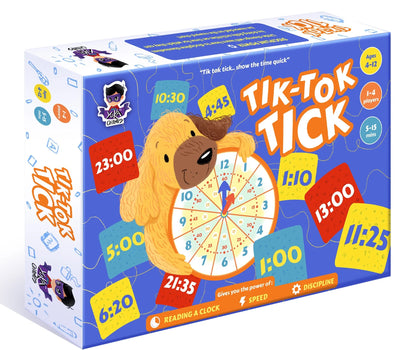
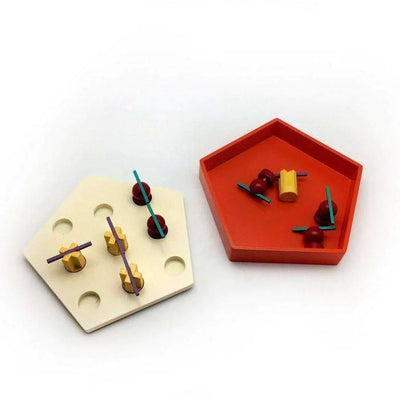
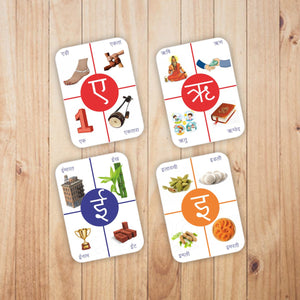
Dr. Maria Montessori believed that children possess an innate curiosity, which, when nurtured, leads to a lifelong love for learning. Materials like our diverse range of puzzles allow children to explore spatial reasoning, problem-solving, and sequencing at their own pace. They aren't just solving a puzzle; they are discovering patterns and developing logical thought, leading to genuine satisfaction.
Studies from child development experts agree that self-directed play fosters a deeper understanding and appreciation for subjects. Rather than being told the answer, children manipulate objects, conduct simple experiments, and see concepts unfold before their eyes. This method encourages a 'growth mindset,' vital for children navigating the complexities of primary school in India.
Building Resilience Against Academic Pressure: A Montessori Approach
Academic pressure in India can be immense, with competitive entry points and high expectations from parents and joint families. This often leads to stress and anxiety in young children. Montessori toys for primary school offer a unique antidote by cultivating essential life skills, including resilience and self-reliance.
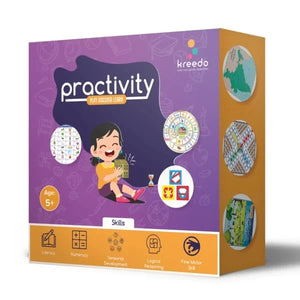
Each Montessori material is designed with a 'control of error,' meaning the child can independently identify and correct their mistakes without adult intervention. This process, as studies consistently show, builds inner strength and a positive attitude towards challenges. For instance, when a child works with an intricate activity kit, they learn perseverance and the satisfaction of overcoming obstacles, which is invaluable when facing a tough math problem or a complex science concept at school.
Resilience isn't just about bouncing back; it's about developing the inner fortitude to approach difficulties with courage and a problem-solving mindset. By experiencing success through independent effort, children build confidence that translates directly into their academic performance and their ability to cope with setbacks in a high-stakes environment.
Montessori Toys for Primary School: Beyond Rote Academics
While traditional schooling in India often prioritises academic achievement, Montessori education emphasises holistic development. This means nurturing not just the intellect but also emotional, social, and practical life skills. Montessori toys for primary schoolers support this broader growth, helping children become well-rounded individuals.
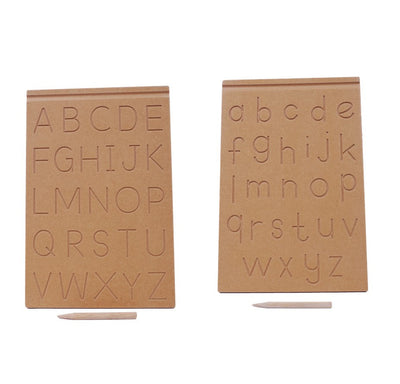
For children aged 5-8, this holistic approach means developing fine motor skills crucial for writing, concentration vital for classroom learning, and the ability to organise thoughts and materials. These practical skills, often overlooked in a curriculum focused solely on textbooks, empower children to manage their schoolwork more effectively and independently.
Moreover, these toys facilitate social interaction and emotional regulation. In joint family setups common across India, children often learn from observing elders. Montessori materials provide opportunities for collaborative play and independent work, teaching respect for materials and others, fostering positive social behaviour, and preparing them for group activities at school.
Practical Tips for Indian Parents to Reduce Academic Pressure Kids
In light of recent discussions about education costs and quality in India, many parents are seeking effective ways to support their children beyond traditional schooling. Integrating Montessori principles at home offers a powerful strategy to reduce academic pressure kids might feel, fostering a genuine love for learning.
One effective tip is to create a 'prepared environment' at home, much like a Montessori classroom. This involves making Montessori materials and educational toys easily accessible and organised. Encourage self-selection of activities, allowing children to follow their interests and learn at their own pace, rather than pushing them through rigid schedules.
Consider rotating materials based on your child's evolving interests and school topics, making learning at home a seamless extension of their curiosity. Celebrating effort over outcome, valuing exploration, and providing a calm, supportive atmosphere can significantly mitigate the stress associated with the rigorous Indian education system. Remember, a child who loves to learn will always find a way to excel.
Embracing Montessori educational toys is not about replacing school but enriching the learning journey. It's about providing a sanctuary where learning is a joy, curiosity is celebrated, and resilience is built, one self-corrected discovery at a time. Explore SkilloToys.com's extensive collection of Montessori learning materials and empower your child's journey today.
How do Montessori educational toys specifically help reduce academic pressure in Indian children?
Montessori educational toys reduce academic pressure by shifting focus from rote memorisation to conceptual understanding and self-directed discovery. Children engage with materials that allow them to learn at their own pace, fostering confidence and making learning a joyful process rather than a stressful obligation, which is crucial in India's high-stakes education system.
Are Montessori toys suitable for primary school children (5-8 years old) who already attend traditional schools?
Yes, Montessori toys are highly suitable for primary school children attending traditional schools. They complement conventional learning by strengthening foundational skills, encouraging independent thought, and providing hands-on experiences that might be missing in a classroom setting, thereby enriching their overall educational journey.
What kind of Montessori materials are best for fostering a love for learning in kids in India?
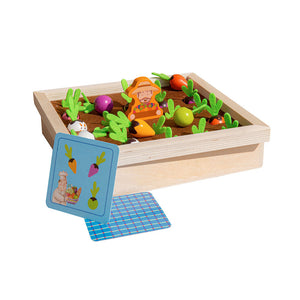
For fostering a love for learning in kids in India, materials that encourage exploration and problem-solving are ideal, such as complex puzzles, geography materials, and science-oriented activityKits. These toys allow children to connect with subjects tangibly, sparking curiosity and making abstract concepts relatable within their everyday Indian context.
How can parents ensure their child uses Montessori toys effectively at home?
Parents can ensure effective use by creating a dedicated, clutter-free learning space and allowing children to choose their activities freely. Observe their interests, introduce materials one at a time, and demonstrate their use initially, then step back to allow independent exploration. This approach mirrors the Montessori classroom environment at home.
Can Montessori toys improve resilience in primary school children against setbacks?
Yes, Montessori toys are designed to be self-correcting, which inherently builds resilience. When a child makes a mistake, the material itself guides them to find the correct solution without adult intervention, teaching them to persevere, problem-solve independently, and view challenges as opportunities for growth rather than failures.