Hindi Varnamala with Pictures: Fun Montessori Learning
Making Hindi Varnamala learning an enjoyable experience for primary school children is essential for building a strong linguistic foundation. Incorporating engaging hindi varnamala with pictures and hands-on Montessori activities demonstrably transforms the learning process from a chore into an exciting discovery, especially for Indian children navigating academic demands.
This approach effectively addresses the common challenge of making abstract alphabets tangible and memorable for young learners.
What is Hindi Varnamala?
Hindi Varnamala refers to the complete set of Hindi alphabets, encompassing both vowels (स्वर) and consonants (व्यंजन), which are fundamental to reading and writing Hindi. This matters immensely because a solid grasp of the Varnamala is the gateway to literacy in one of India's primary languages. Indian parents can proactively introduce these foundational elements through engaging, age-appropriate methods.
Why Montessori Works for Hindi Varnamala Learning
Child development experts agree that the Montessori method, with its emphasis on multi-sensory exploration and self-directed learning, is exceptionally effective for early language acquisition. Maria Montessori believed that children learn best by doing, touching, and seeing, making abstract concepts concrete through specially designed materials. Research shows that children engaged in hands-on learning demonstrate higher retention rates and deeper understanding compared to traditional rote memorization methods.
This approach directly counters the 'discipline problems' often stemming from disengagement in traditional classrooms, as highlighted by recent discussions in India, by fostering intrinsic motivation. When children actively participate, like 'the girls who taught a school to listen' by expressing their needs, their learning truly blossoms.
Engaging Hindi Varnamala Activities for Primary Schoolers
Transforming Hindi Varnamala into a series of fun activities can dramatically improve a child's enthusiasm and proficiency. These Montessori-inspired strategies make learning an adventure, rather than a task.
Tactile & Sensory Play for Deeper Understanding
Engaging multiple senses strengthens memory and comprehension. Sandpaper letters, a cornerstone of Montessori language education, allow children to trace the shape of each Hindi letter with their fingers, feeling its form before writing it. This tactile experience creates a muscular memory that aids in recognition and recall.
Similarly, inviting children to form Hindi letters using clay or playdough provides a joyful, sensory-rich activity that enhances fine motor skills while reinforcing letter shapes. These materials offer immediate, self-correcting feedback, empowering children to learn independently.
Visual Aids & Picture Matching: The Power of Imagery
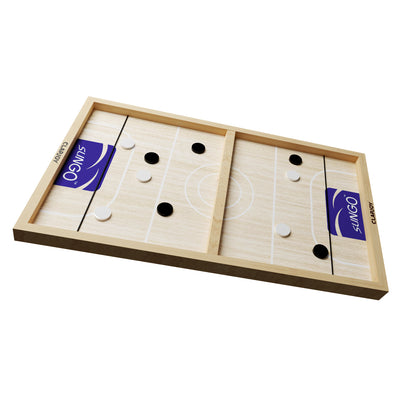
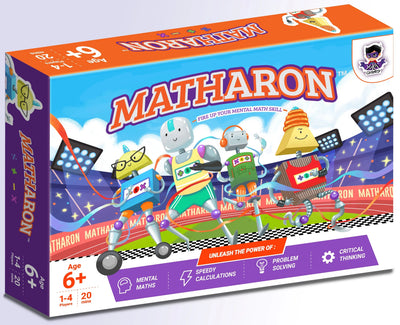
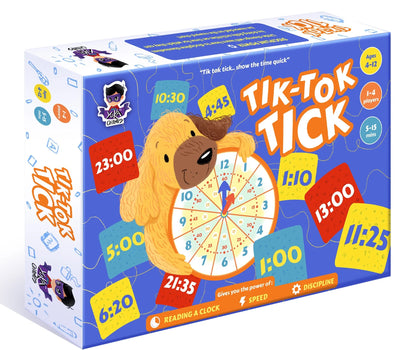
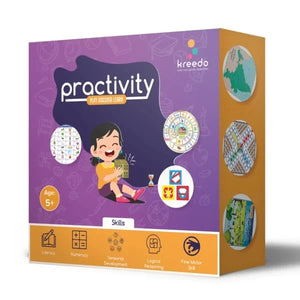
The core of making learning Varnamala enjoyable, especially for `hindi varnamala with pictures`, lies in powerful visual aids. Flashcards depicting each letter paired with a common Indian object (e.g., 'क' for 'कमल', 'म' for 'मछली') are invaluable. Matching games, where children pair a letter with its corresponding picture, reinforce connections in a playful manner. SkilloToys offers a range of puzzles and activity kits specifically designed to leverage these visual-associative learning benefits.
Creating a 'Varnamala Wall' at home with large, colourful picture charts also provides a constant, passive learning environment. This visual immersion supports natural acquisition, much like how children absorb their first language.
Interactive Games & Storytelling for Active Recall
Games are a powerful tool for `hindi varnamala activities`. Think of 'I Spy' with Hindi letters, or a treasure hunt where clues involve identifying letters on objects around the house. Storytelling, especially tales involving characters whose names start with specific Hindi letters, can make the Varnamala memorable and culturally resonant.
Encourage children to create their own stories using a sequence of Varnamala letters, fostering creativity and active engagement. This mirrors the UNICEF initiative of letting children's voices shape their learning, making the process deeply personal and effective.
Creating a Supportive Home Learning Environment
In the Indian context, where academic pressure can be significant, fostering a calm and encouraging home environment is paramount for `learn hindi for kids`. Parents, often supported by grandparents, play a crucial role in making learning a joyful part of family life, rather than an additional burden.
Dedicate a 'Hindi Corner' with relevant books, charts, and Montessori learning materials from SkilloToys' main collection. Celebrate small milestones – recognizing a new letter, reading a simple word – with genuine praise. This positive reinforcement builds confidence and a lifelong love for learning, rather than driving the 'discipline problems' seen when learning feels like a chore.
Integrating Play for Deeper Language Acquisition
The question 'Can play improve learning in India’s classrooms?' resonates deeply with the Montessori philosophy. Play is not merely recreation; it is how children learn about their world, develop problem-solving skills, and acquire new knowledge. Integrating play into Hindi Varnamala learning means creating scenarios where children naturally use and interact with the language.
Studies indicate that play-based learning environments lead to greater engagement, improved critical thinking, and enhanced language development in young children. For instance, a child pretending to be a shopkeeper and using Hindi numbers and letter sounds to sell items is learning far more deeply than through rote repetition. This hands-on, contextualized learning ensures that the Hindi alphabet for primary schoolers becomes a living, breathing tool.
- Montessori methods significantly enhance Hindi Varnamala learning through multi-sensory engagement.
- Incorporating vibrant hindi varnamala with pictures improves comprehension and retention for primary schoolers.
- Tactile activities, such as sandpaper letters, build muscular memory crucial for letter recognition.
- Play-based learning fosters deeper language acquisition and reduces academic pressure on children.
- Creating a supportive home environment with consistent positive reinforcement is vital for language development.
- Maria Montessori's principles advocate for self-directed learning, making education enjoyable and effective.