Holistic Development Eases Academic Pressure Primary School India
Holistic development in primary school India is undeniably crucial for easing the growing academic pressure faced by young learners. Research shows that focusing on a child's emotional intelligence, social skills, and practical abilities, alongside academics, builds resilience and reduces stress significantly. Indian parents can empower their children by embracing an educational approach that values overall well-being as much as report card grades.
Holistic development is an educational approach that nurtures a child's complete growth—intellectual, emotional, social, physical, and spiritual. This matters because it ensures children develop into well-rounded individuals, equipped not just with knowledge but also life skills and emotional resilience. Indian parents can foster this by integrating diverse learning experiences, from daily chores to collaborative play, both at home and school.
The rigorous academic demands placed on Indian primary schoolers often leave parents searching for alternative approaches to education. This quest is reflected in recent educational trends, such as the Google News story highlighting schools that are making gardening, democracy, and emotional development as fundamental as traditional academics. This shift signifies a growing recognition that true learning extends far beyond textbooks and exams, moving towards a more comprehensive understanding of a child's needs.
Emotional Development: Building Resilience for Academic Hurdles
Developing emotional intelligence is paramount for young children navigating the competitive academic landscape in India. Children with strong emotional regulation can better manage exam anxiety, cope with setbacks, and understand their feelings, reducing overall stress. Studies indicate that early social emotional learning kids India leads to better academic outcomes and fewer behavioural issues in the long run. When children understand their emotions, they are better equipped to handle the ups and downs of school life, from peer interactions to demanding homework assignments.
In Montessori classrooms, children learn to identify feelings and express them constructively. Activities like 'grace and courtesy' lessons foster empathy and self-awareness, teaching children how to respect themselves and others, whether it’s sharing a tiffin with a friend or politely asking for help from a grandparent. This foundational emotional strength helps them approach academic challenges with a calmer, more focused mindset.
Social Skills: Nurturing Collaborative Learners in Primary School
Effective social skills are indispensable for success, both inside and outside the classroom. In India's diverse school environments and joint family settings, learning to cooperate, communicate respectfully, and resolve conflicts peacefully is vital. Social emotional learning kids India extends to understanding group dynamics, taking turns, and appreciating different perspectives, skills that are crucial for group projects and playground interactions alike.
The Montessori environment naturally promotes social development through mixed-age classrooms where older children mentor younger ones, and collaborative work is encouraged. Children learn to negotiate, share resources like puzzles or activity kits, and contribute to a community. These experiences build confident communicators and empathetic team players, making school a more engaging and less isolating experience, especially during festivals or family gatherings where social graces are key.
Practical Life Skills: Empowering Independence Beyond Textbooks
Beyond rote learning, equipping children with practical life skills for children fosters independence, responsibility, and problem-solving abilities. These are the everyday tasks that empower a child: buttoning their shirt, pouring water, preparing a simple snack, or helping with household chores. Child development experts agree that mastering these skills builds confidence and a sense of capability, directly impacting a child's self-esteem and willingness to tackle new academic challenges.
In Montessori education, practical life activities are central, teaching children to care for themselves, their environment, and others. Whether it's polishing brass, sweeping the floor, or washing dishes, these tasks develop concentration, coordination, and a methodical approach to problem-solving. Such skills not only ease the burden on busy parents but also prepare children to be self-reliant learners who can manage their belongings, organize their study space, and approach schoolwork with greater discipline.
The Montessori Approach: A Blueprint for Holistic Education in India
Maria Montessori’s philosophy, particularly Montessori holistic education, offers a profound framework for developing the whole child. It emphasizes a prepared environment where children can freely explore, make choices, and learn at their own pace. This child-centred approach contrasts sharply with traditional, pressure-filled systems, fostering intrinsic motivation rather than external rewards or fear of failure. It recognizes that every child has an innate drive to learn and grow.
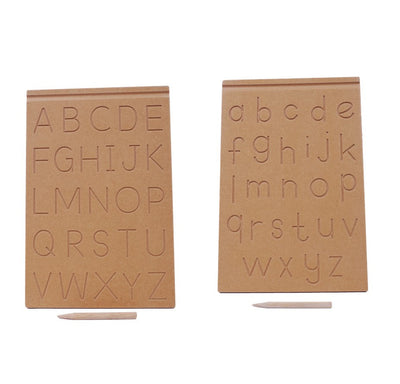
In a Montessori classroom, children engage with self-correcting Montessori learning materials like the pink tower or sandpaper letters, which build foundational skills in mathematics, language, and sensory development. This hands-on, experiential learning nurtures curiosity and a love for discovery, moving beyond mere memorization. Such an approach significantly reduces academic stress by making learning joyful and personally meaningful, a stark difference from the high-stakes testing culture often seen in India.
Easing Academic Pressure: The Holistic Advantage
By focusing on child development beyond academics, schools and homes can collectively contribute to easing academic pressure primary school students often face. When children are emotionally resilient, socially adept, and practically capable, they possess a robust internal toolkit to handle the intellectual demands of primary school. They learn to see challenges as opportunities for growth, rather than sources of overwhelming stress.
A holistic approach builds strong executive functions—planning, organization, and self-control—which are critical for academic success. Rather than just pushing for higher grades, this method aims to cultivate lifelong learners who are confident, adaptable, and genuinely enjoy the process of discovery. This comprehensive development ensures that children are not just academically proficient but also happy, well-adjusted individuals, ready for the complexities of modern Indian society and future challenges.
- Holistic development encompassing emotional, social, and practical skills is essential for primary school children in India.
- Fostering emotional intelligence directly contributes to reduced academic stress and increased resilience in young learners.
- Strong social skills, cultivated through collaboration and empathy, are critical for navigating diverse Indian school and family environments.
- Practical life skills empower children with independence and problem-solving abilities, boosting their confidence and self-efficacy.
- The Montessori approach offers a proven framework for holistic education, prioritizing a child's overall well-being alongside academic achievement.
- Prioritizing development beyond academics builds intrinsically motivated, well-adjusted learners ready for lifelong success.
What exactly is holistic development for primary schoolers in India?
Holistic development for primary schoolers in India involves nurturing a child's complete growth—intellectual, emotional, social, physical, and spiritual. It goes beyond academic performance to ensure children are well-rounded individuals capable of handling life's challenges. This approach is vital for building resilient and adaptable learners.
How does emotional development help ease academic pressure in Indian schools?
Emotional development equips children with the ability to understand and manage their feelings, which is crucial for handling academic pressure. Kids who are emotionally intelligent can cope better with exam stress, setbacks, and peer interactions, leading to a calmer and more focused learning experience. This reduces anxiety and fosters a positive attitude towards school.
Are practical life skills really important for academic success in primary school?
Yes, practical life skills are highly important for academic success. Mastering tasks like organizing belongings, problem-solving everyday challenges, and caring for one's environment builds independence, concentration, and a methodical approach to learning. These skills indirectly enhance a child's ability to manage schoolwork and develop self-discipline.
How does the Montessori approach contribute to holistic development?
The Montessori approach fosters holistic development through a child-centred prepared environment that encourages independent exploration and self-directed learning. It integrates emotional, social, and practical skills alongside academics, using hands-on materials and mixed-age classrooms. This method nurtures curiosity, resilience, and a genuine love for learning, reducing traditional academic pressure.
What role can parents play in promoting holistic development at home?
Parents can promote holistic development by involving children in age-appropriate household chores, encouraging creative play, and fostering open communication about emotions. Providing opportunities for social interaction, reading together, and valuing effort over just results also contributes significantly. Creating a supportive home environment where learning is joyful and not solely academic is key.