Learning Outcomes Primary School India: Montessori Home Strategies (5-8)
Implementing Montessori home strategies significantly boosts learning outcomes primary school India by fostering independence, critical thinking, and a love for learning, thereby naturally easing the common academic pressure faced by children aged 5-8. These approaches empower parents to create an engaging environment that supports deep understanding over rote memorization, preparing children holistically for their academic journey.
The recent Google News report highlighting that 'learning outcomes remain India’s next education challenge' resonates deeply with parents navigating the primary school years. While enrolment is high, the focus now shifts to how children truly learn and retain knowledge amidst the competitive Indian educational landscape. This guide offers practical, Montessori-inspired home strategies to support your child's learning journey and reduce stress.
What are Montessori Home Strategies for Primary Schoolers (5-8 Years)?
Montessori home strategies for primary schoolers involve adapting core Montessori principles – self-directed activity, hands-on learning, and a prepared environment – to the Indian home for children aged 5-8. This matters because it cultivates intrinsic motivation and practical life skills essential for academic success. Indian parents can integrate purpose-driven activities and materials into daily routines.
Understanding India's Learning Challenge: Beyond Enrolment
India has made commendable strides in achieving high school enrolment, yet the ETEducation report underscores that achieving meaningful learning outcomes remains a critical hurdle. For primary schoolers, this often translates into immense academic pressure, where the joy of discovery can be overshadowed by exam scores and rote learning expectations. Parents are actively seeking ways to bridge this gap.
Child development experts agree that true learning goes beyond memorisation; it involves understanding, application, and critical thinking. Montessori principles, originating from Dr. Maria Montessori's profound observations, are uniquely positioned to address this by focusing on holistic development and a child's innate desire to learn and explore independently.
Creating a Montessori-Inspired Learning Nook at Home
Transforming a corner of your home into a learning space can dramatically impact your child's engagement. This doesn't require a dedicated room; a quiet shelf in the living room or a clear space in the bedroom can suffice. The key is creating an inviting area where learning materials are easily accessible and neatly organised.
The Prepared Environment: Key to Montessori at Home Primary School
A "prepared environment" is central to Montessori at home primary school. This means ensuring materials are age-appropriate, accessible, and in good repair. For children aged 5-8, this might include a small table and chair, shelves with learning games, books, and art supplies. Encourage your child to take ownership of this space, fostering responsibility and independence.
Consider simple modifications like a low hook for their school bag or a designated tray for their current project. This visual order helps children focus and signals that this space is for purposeful activity. In a joint family setting, involving grandparents in maintaining this order can also be a wonderful bonding activity and teach mutual respect.
Practical Montessori Activities for Learning Outcomes (5-8 Years)
Montessori activities are designed to be hands-on and self-correcting, making them ideal for improving learning outcomes primary school India. These aren't just toys; they are tools that teach specific concepts in a concrete way, preparing children for abstract thinking. Integrating these into daily life can make a significant difference.
Fostering Foundational Skills
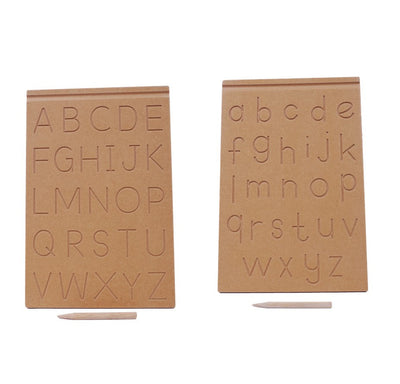
For primary schoolers, strengthening foundational skills in literacy and numeracy is paramount. Activities like using sandpaper letters and numbers help children associate sounds with symbols through touch, building a multi-sensory understanding. Similarly, golden bead materials make mathematical concepts like place value tangible.
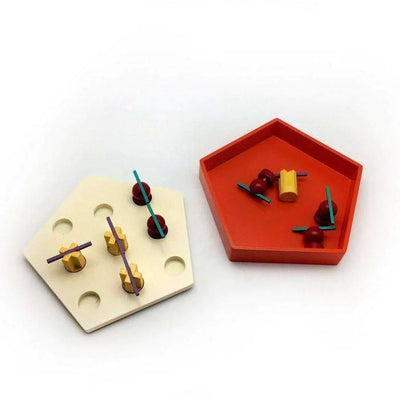
Incorporate engaging puzzles that challenge spatial reasoning and problem-solving. For instance, geometry puzzles or those depicting the map of India can deepen geographical awareness. These provide a fun, low-pressure way to reinforce school lessons without feeling like extra homework.
Cultivating Problem-Solving and Critical Thinking
Montessori encourages children to explore and discover solutions independently. Present activities that require sequencing, logic, and critical thinking. This could be anything from sorting laundry by colour to setting the dinner table for the family, assigning specific roles.
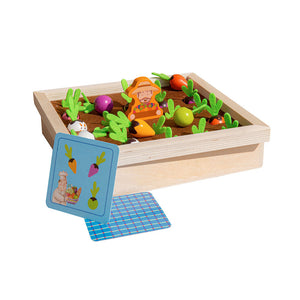
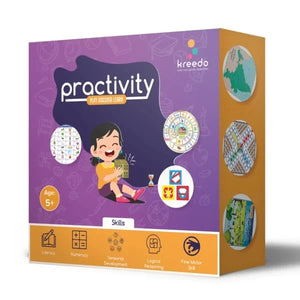
Specialised activity kits designed for this age group often contain materials for scientific exploration, engineering challenges, or craft projects that build fine motor skills alongside cognitive ones. These activities allow children to experiment, make mistakes, and learn from them in a supportive home environment.
Easing Academic Pressure Primary School India: A Holistic Approach
The pressure to perform well in primary school can be overwhelming for children in India. Montessori strategies inherently ease this by focusing on the child's individual pace and interests, fostering a natural love for learning rather than a fear of failure. It's about building confidence and resilience.
Valuing Process Over Product
Shift the focus from perfect scores to the effort and process of learning. Celebrate their curiosity, persistence, and problem-solving attempts, even if the final outcome isn't flawless. This cultivates a growth mindset, where mistakes are seen as opportunities for learning, reducing the anxiety often associated with academic pressure primary school India.
Research shows that children who feel safe to explore and make mistakes are more likely to develop intrinsic motivation and higher self-esteem. Encourage discussions about what they learned, how they felt, and what they would do differently next time, rather than just asking about their grades.
Grandparents as Learning Partners
In many Indian homes, grandparents play a pivotal role. Their wisdom and presence can be a fantastic resource for Montessori learning. They can teach traditional stories, involve children in cultural activities like making rangoli or preparing festival sweets, or simply share practical life skills passed down through generations. These intergenerational activities are invaluable for holistic development.
How to Improve Learning in Primary School India with Daily Routines
Integrating Montessori principles into daily routines makes learning continuous and natural. Assign age-appropriate chores, involve children in meal preparation, or encourage them to manage their own study schedule. These activities develop executive functions, time management, and a sense of responsibility.
Studies indicate that children who participate in daily routines develop stronger self-discipline and better organisational skills, directly translating to improved academic performance. Establishing a consistent rhythm for homework, play, and family time provides structure that helps children thrive without feeling constantly pushed.
The SkilloToys Difference: Quality Montessori Materials for Indian Homes
At SkilloToys.com, we understand the unique needs of Indian parents and children. Our curated collection of Montessori educational toys and materials is designed to support these home strategies, offering durable, engaging, and developmentally appropriate tools. From language and math aids to practical life and sensory materials, we help you create an enriching learning environment right at home.
Explore our full range of Montessori-inspired learning materials at SkilloToys.com and empower your child to embrace learning with joy and confidence, laying a strong foundation for future academic success.
- Implementing Montessori home strategies significantly boosts primary school learning outcomes by fostering independence and critical thinking.
- A 'prepared environment' at home, featuring accessible, age-appropriate materials, is crucial for self-directed learning and focus for children aged 5-8.
- Montessori activities for primary schoolers focus on hands-on exploration and problem-solving, building foundational skills in literacy and numeracy.
- Shifting focus from academic pressure to the process of learning cultivates a growth mindset and reduces anxiety in Indian primary school children.
- Grandparents in Indian joint families can be vital partners in Montessori learning, sharing cultural knowledge and practical life skills.
- Integrating Montessori principles into daily routines enhances self-discipline, organisational skills, and overall academic performance for primary schoolers.
How do Montessori strategies reduce academic pressure in Indian primary schools?
Montessori strategies reduce academic pressure by fostering a child's intrinsic motivation and love for learning, shifting focus from rote memorization to deep understanding and practical application. This child-led approach builds confidence and self-reliance, making the learning process less stressful and more enjoyable.
What are effective Montessori activities for a 5-8 year old at home?
Effective Montessori activities for primary schoolers include practical life skills like cooking or gardening, sensory explorations with materials like the Pink Tower, and language/math activities using concrete manipulatives like golden beads. These activities develop concentration, coordination, and independent problem-solving skills.
Can Montessori principles truly improve learning outcomes for Indian children?
Yes, Montessori principles significantly improve learning outcomes for Indian children by promoting critical thinking, independence, and a deeper understanding of concepts, which are vital for long-term academic success. Research shows that children engaged in self-directed, hands-on learning demonstrate superior comprehension and retention.
How can grandparents in a joint family support Montessori at home?
Grandparents can be invaluable in supporting Montessori at home by sharing traditional stories, involving children in cultural activities, teaching practical life skills like sweeping or preparing food, and offering patient guidance. Their wisdom and presence provide a rich, supportive environment for holistic development and learning.
What is the importance of a 'prepared environment' in a Montessori home in India?
The 'prepared environment' is crucial for a Montessori home as it empowers children aged 5-8 to learn independently and explore safely. It involves arranging child-sized furniture, accessible educational materials, and a clutter-free space that encourages concentration and self-discovery, respecting the child's autonomy.