Montessori Basic Math Foundations (5-8) to Prevent India's Math Struggles
Recent reports, widely circulated on Google News, highlight a critical challenge: 60 per cent of Class 5 private school children in India are struggling with basic math problems. This alarming statistic underscores the urgent need for robust Montessori basic math foundations 5-8 years India, to proactively equip our children against future academic hurdles. Child development experts agree that a strong foundation in these early years is paramount, laying the groundwork for unshakeable mathematical understanding rather than mere rote learning.
Montessori's unique approach ensures children develop an intuitive, deep comprehension of mathematical concepts, preparing them not just for exams, but for real-world problem-solving. This guide is dedicated to Indian parents seeking effective strategies to foster a genuine love for numbers and prevent the common Class 5 math struggles that are increasingly prevalent across our schools today.
What Are Montessori Basic Math Foundations?
Montessori basic math foundations are built upon concrete, sensorial experiences that allow children to physically understand mathematical principles. This matters because it moves beyond abstract symbols, enabling an internalised understanding of quantity, sequence, and operations. Indian parents can facilitate this by introducing age-appropriate Montessori math materials that make learning tangible and engaging from the outset.
Addressing India's Class 5 Math Struggles with Early Math Intervention
The reported struggles of Class 5 students in India are a clear call for effective early math intervention. While debates about education funding and accountability persist, as highlighted by India's statements at the UNSC regarding children's education rights, parents can empower their children at home. Montessori education offers a powerful preventative solution by targeting the root causes of math anxiety and conceptual gaps long before they escalate into significant challenges.
Research shows that children who engage with concrete math concepts early develop stronger neural pathways for numerical understanding. This hands-on approach directly counters the rote memorization often seen in traditional systems, which frequently fails when students encounter more complex problem-solving. By focusing on deep understanding between the ages of 5-8, we build resilience and confidence.
Montessori Math Activities for 5-8 Year Olds: Building Conceptual Understanding
Montessori math activities for 5-8 year olds are designed to be self-correcting and engaging, allowing children to discover mathematical truths independently. These activities systematically introduce concepts from concrete to abstract, ensuring each step is thoroughly understood. This process avoids the frustration that often accompanies hurried or abstract-first teaching methods.
For instance, activities using the Golden Beads system allow children to physically count and group units, tens, hundreds, and thousands. This provides a tactile and visual representation of place value, which is a common stumbling block for students struggling with solving basic math problems primary school. Such materials ensure that children don't just memorize '100' but truly comprehend its value.
The Power of Montessori Math Materials India for Deep Learning
Montessori math materials India are not just toys; they are meticulously designed learning tools. From the Number Rods that introduce quantity and sequence to the Stamp Game for exploring operations, each material isolates a specific concept. This allows children to focus on one mathematical idea at a time, building competence incrementally.
These materials, often found in Montessori schools across Bengaluru and beyond, can also be integrated into home environments. Simple activity kits or even household items like beads, buttons, or small stones can be adapted to mimic Montessori principles. The key is allowing children to manipulate and interact with these items to grasp abstract ideas concretely.
Prevent Math Struggles Primary School India: Holistic Development
Preventing math struggles in primary school in India extends beyond just numerical skills; it encompasses holistic development. The Montessori approach fosters concentration, independence, and a problem-solving mindset—qualities that are invaluable in all academic areas. When children learn math through exploration, they develop confidence and intrinsic motivation.
This anti-pressure approach, valuing understanding over rote memorization, is particularly beneficial in the high-pressure Indian academic landscape. It allows children, supported by their families, including grandparents, to enjoy learning and develop a robust inner discipline. This holistic foundation reduces anxiety and cultivates a lifelong love for learning, a critical antidote to the rising cost of learning in India, which often reflects expensive remedial education.
Integrating Montessori at Home: Indian Parenting Strategies
Indian parents can seamlessly integrate Montessori principles into their daily lives. For example, during festivals, involving children in counting sweets or decorations can be a practical math lesson. Family discussions about budgeting for groceries or measuring ingredients for a recipe also offer real-world application of mathematical concepts.
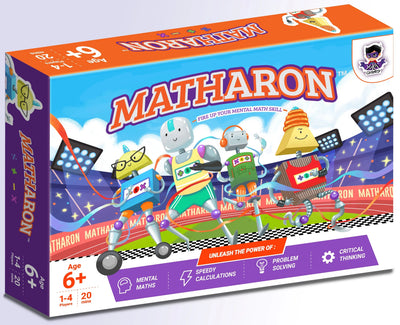
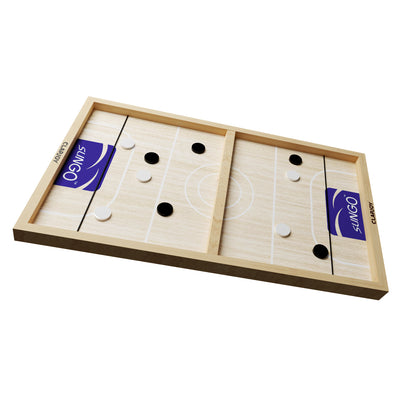
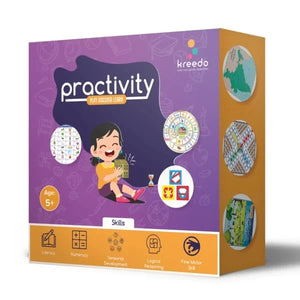
Providing access to educational puzzles and games that encourage logical thinking and number sense is also highly effective. The goal is to create an environment where math is not a chore but an exciting discovery, much like solving a captivating mystery. This consistent, positive exposure in the early years significantly contributes to academic success and emotional well-being.
- Montessori education provides concrete experiences for strong basic math foundations in 5-8 year olds.
- Hands-on learning through Montessori materials directly prevents future math struggles like those seen in Class 5.
- The Montessori approach builds conceptual understanding, moving beyond rote memorization for lasting knowledge.
- Specific Montessori math materials like Golden Beads and Number Rods are crucial for visual and tactile learning.
- Early math intervention (5-8 years) through Montessori fosters holistic development and a positive attitude towards math.
- Indian families can integrate Montessori math activities into daily routines and cultural practices to support learning.
What is the Montessori approach to math for 5-8 year olds?
The Montessori approach to math for 5-8 year olds involves concrete, hands-on materials that allow children to explore mathematical concepts at their own pace. It focuses on developing an intuitive understanding of quantity, operations, and number relationships before abstract symbols are introduced, fostering a love for learning.
How do Montessori math materials help prevent future math struggles?
Montessori math materials are designed to isolate concepts, allowing children to physically manipulate quantities and understand the 'why' behind calculations. This deep, experiential learning builds strong neural pathways, preventing the rote memorization that often leads to struggles with complex problems later on.
Can Montessori methods be integrated into a traditional Indian home environment?
Absolutely, Montessori methods can be beautifully integrated into traditional Indian homes by providing dedicated learning spaces, age-appropriate materials, and encouraging independent exploration. Parents and grandparents can support this by observing the child's interests and fostering a calm, focused environment for learning.
What are some effective Montessori math activities for 5-8 year olds at home?
Effective Montessori math activities for 5-8 year olds at home include using objects for counting and sorting, exploring number rods for quantity, and manipulating golden beads for place value. Simple, everyday tasks like counting dals for cooking or sorting festival decorations also offer valuable learning opportunities.
When should parents consider early math intervention in primary school?
Parents should consider early math intervention if their child consistently struggles with basic concepts like counting, number recognition, or simple addition/subtraction, even after initial instruction. Addressing these foundational gaps between 5-8 years old is crucial, as difficulties tend to compound rapidly in later primary grades.