Montessori for Government School Children in India
Montessori for government school children in India offers a proven pathway to elevate educational quality and foster holistic development, directly addressing the urgent call for better learning experiences, as highlighted by 'What Every Government School Child Deserves' in The Better India. This innovative pedagogical approach can transform primary school education for children aged 5-8, ensuring that every child receives the comprehensive, engaging, and high-quality learning experience they truly deserve, regardless of their school's funding or location.
As discussions about bridging the quality gap and the reasons why '4 in 10 Indian children go to private schools' (Newslaundry) gain traction, the Montessori method stands out as a powerful solution. It focuses on nurturing a child's natural curiosity and innate potential, moving beyond the traditional rote learning that often characterizes our educational landscape. For Indian parents, grappling with academic pressure and seeking the best for their children, Montessori offers a refreshing alternative.
What is Montessori Education?
Montessori education is a child-centred educational approach developed by Dr. Maria Montessori, emphasizing independence, freedom within limits, and respect for a child's natural psychological, physical, and social development. This matters because it creates self-directed, motivated learners. Indian parents can advocate for or implement Montessori principles at home to foster holistic growth.
Quality Education in Government Schools: A Montessori Vision
The vision of quality education for every child in India transcends mere infrastructure; it's about the depth and effectiveness of the learning experience itself. Research shows that traditional, teacher-centric models often fall short in engaging children aged 5-8, particularly in under-resourced settings. Montessori education provides a stark contrast, advocating for a 'prepared environment' where children actively engage with learning materials, fostering self-discovery and critical thinking.
Child development experts agree that active learning leads to deeper understanding and retention. By introducing Montessori principles into government schools, we can shift from passive reception of information to an interactive, hands-on exploration of concepts. This approach directly addresses concerns about improving government school education and ensuring that these institutions are not just accessible, but also deliver truly impactful learning experiences.
Holistic Development for Primary School Children in India
Indian parents, often part of joint families with grandparents actively involved, value not just academic success but also the 'sanskar' and overall character development of their children. The Montessori method excels at fostering holistic development for primary school children in India, nurturing cognitive, social, emotional, and physical skills simultaneously. It understands that a child is more than just a test score.
This approach counters the intense academic pressure India often places on its young learners by celebrating individual progress and self-correction. Children aged 5-8 are encouraged to explore subjects at their own pace, fostering a genuine love for learning rather than a fear of failure. Studies indicate that Montessori-educated children exhibit greater self-discipline, concentration, and problem-solving abilities, attributes highly valued in both school and life.
Educational Toys and Learning Resources for Government Schools
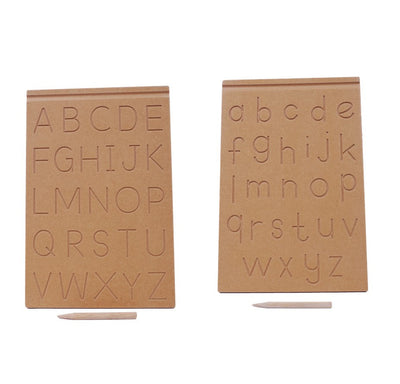
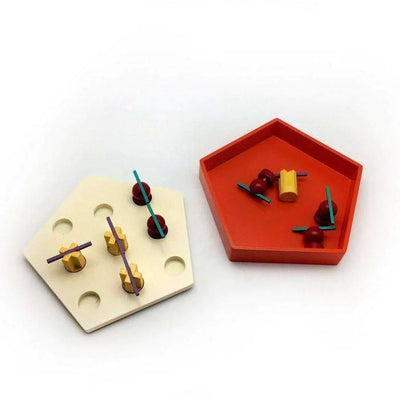
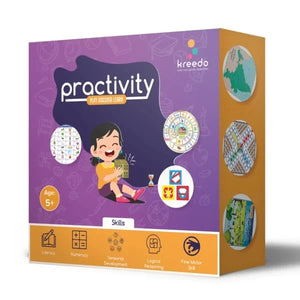
A cornerstone of Montessori education is its specially designed educational toys and learning resources. These are not merely playthings but purposeful tools that guide children aged 5-8 through concepts from concrete to abstract. Imagine children in a government school using carefully crafted puzzles to understand geometry or engaging with sensorial materials to refine their senses – these experiences are invaluable.
Bridging the Gap with Practical Montessori Materials
For primary school children, materials like the Pink Tower, Red Rods, and Sandpaper Letters are not just academic aids; they are gateways to understanding mathematical concepts, language, and the world around them. SkilloToys.com offers a range of high-quality Montessori learning materials and activity kits that can be instrumental in creating an enriching learning environment. These materials, often self-correcting, allow children to learn independently and build confidence.
Addressing Academic Pressure in Indian Primary Schools
The academic pressure in Indian schools, especially for children aged 5-8, is a growing concern for parents. The emphasis on rote memorization and competitive exams often overshadows the joy of learning. Montessori offers a crucial antidote to this by prioritizing intrinsic motivation and a deeper understanding of concepts over superficial cramming.
The method encourages a calm, focused environment where children learn through exploration and practical application, drastically reducing stress. By empowering children to choose their work and manage their time, Montessori cultivates responsibility and a positive attitude towards learning, crucial for long-term success and well-being. This aligns perfectly with the National Education Policy's focus on experiential and joyful learning.
SkilloToys.com's Commitment to Accessible Montessori
At SkilloToys.com, we believe that the benefits of Montessori education should be accessible to every child in India. We are committed to providing high-quality, authentic Montessori educational toys and learning resources that support this vision. While the direct implementation of a full Montessori school in every government setting might be challenging, integrating its core principles and materials can profoundly impact the quality education government schools India currently provide.
By focusing on holistic development, reducing academic pressure, and providing engaging learning resources, we can collectively work towards ensuring that what every government school child deserves becomes a reality. This isn-t just about improving test scores; it's about nurturing well-rounded, confident, and lifelong learners ready to contribute meaningfully to society.
- Montessori offers a viable solution for improving educational quality in Indian government schools.
- The method promotes holistic development beyond rote learning, reducing academic pressure on children aged 5-8.
- Child-centric learning environments foster independence, self-correction, and a love for discovery.
- Montessori materials, designed for multi-sensory engagement, serve as effective learning resources.
- Implementing Montessori principles can significantly bridge the quality gap between private and government schools in India.
- The approach aligns with India's National Education Policy goals for comprehensive child development.
Can Montessori be adapted for large class sizes in Indian government schools?
Yes, Montessori principles can be adapted even in larger settings through prepared environments and peer-to-peer learning. Focusing on multi-age classrooms and self-directed work cycles allows children to progress at their own pace, reducing the burden on a single teacher to cater to every child individually.
What specific benefits does Montessori offer children aged 5-8 in government schools?
For children aged 5-8, Montessori fosters independence, concentration, and a genuine love for learning through hands-on materials. It develops critical thinking, problem-solving skills, and social-emotional intelligence, moving beyond traditional rote memorization and preparing them for real-world challenges.
Are Montessori materials expensive for government schools to implement?
While traditional Montessori materials can be an investment, many core principles can be implemented using locally sourced, low-cost, or even DIY materials. The methodology emphasizes the prepared environment and the child's self-discovery, which can be fostered creatively without needing all commercial materials immediately.
How does Montessori help address academic pressure in primary school children in India?
Montessori inherently reduces academic pressure by promoting individualized learning paths and eliminating comparative grading in early years. It focuses on intrinsic motivation and mastery of concepts, allowing children to learn without the stress of constant competition, fostering a joyful learning experience.
What role do parents play in supporting Montessori education for their children?
Parents play a crucial role by fostering an environment of independence and respect for the child's capabilities at home. Understanding Montessori principles, encouraging exploration, and allowing children to complete tasks independently reinforces the learning experienced in school and builds self-confidence.