Out-of-School Children India: Montessori Bridging Gaps
Montessori education offers a robust, child-centric approach to support out-of-school children India, aged 5-8, by providing foundational skills and fostering self-directed learning, thereby effectively bridging critical learning gaps caused by poverty, migration, and lack of access to formal schooling. This methodology is particularly powerful for families navigating challenging circumstances across the nation.
India faces a significant challenge with millions of children out of formal education, a crisis exacerbated by economic disparities and the transient nature of migrant life, as highlighted by reports from UNESCO and fundsforNGOs News. Addressing the educational needs of these children aged 5-8 is not just a societal duty but an investment in the nation's future.
The Urgent Need: Addressing Out-of-School Children India (5-8 Years)
The issue of out-of-school children India remains a pressing national concern. Research indicates that approximately 46 million children are currently out of school, with India's education spending falling below the 6% target, according to UNESCO reports. This stark reality means countless children aged 5-8 are missing out on crucial early years development.
Poverty, child labour, and continuous migration are primary barriers preventing these young minds from accessing consistent education. For many families in joint households, the economic pressures often overshadow the emphasis on formal schooling, leaving children in this critical age group vulnerable to learning gaps that widen over time. This challenge extends beyond just academic knowledge, impacting a child's overall growth and confidence.
Montessori's Unique Approach for Bridging Learning Gaps India
Montessori education provides a uniquely effective framework for bridging learning gaps India, especially for children who cannot attend traditional schools consistently. The philosophy, pioneered by Maria Montessori, champions self-directed activity, hands-on learning, and collaborative play within a prepared environment. This approach allows children to learn at their own pace, making it ideal for those with varied prior learning experiences or disruptions.
Child development experts agree that a Montessori environment fosters independence, concentration, and a genuine love for learning. Unlike rote memorization, it encourages critical thinking and problem-solving, which are invaluable skills for children facing unpredictable circumstances. This method can offer stability and a sense of routine even when life outside the learning space is in flux.
Fostering Foundational Skills 5-8 Years Through Montessori
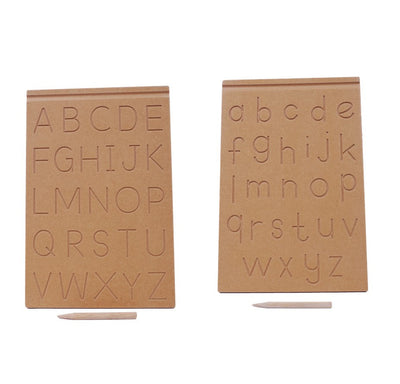
For children aged 5-8, developing strong foundational skills is paramount. Montessori education meticulously addresses this through practical life activities, sensorial exploration, language development, and early mathematics. Activities like sorting, pouring, and dressing oneself build fine motor skills and concentration, while materials such as sandpaper letters and the golden beads introduce literacy and numeracy concepts concretely.
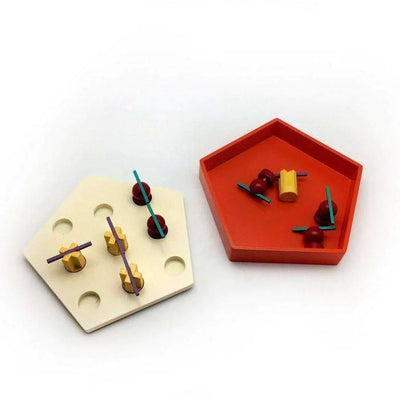
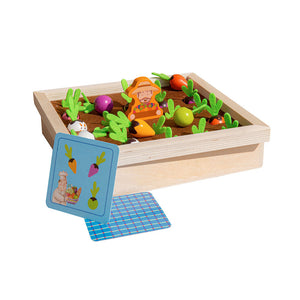
These hands-on experiences help children grasp complex ideas by moving from the concrete to the abstract. Engaging with Montessori puzzles, for instance, not only enhances problem-solving abilities but also strengthens cognitive development in a self-correcting manner. This systematic progression ensures that children build a solid understanding, preparing them for more advanced concepts later.
Empowering Education for Migrant Children India
The transient nature of migration often disrupts children's education, leaving them feeling disoriented and falling behind their peers. Montessori's adaptable structure offers a powerful solution for education for migrant children India. Its universal design and emphasis on self-paced learning mean that children can resume their learning journey wherever they are, minimizing the impact of relocation.
Creating a simple 'prepared environment' at home, even in temporary dwellings, can provide migrant children with a sense of order and continuity. Portable Montessori activity kits and adaptable materials allow parents or community members to facilitate learning that is engaging and consistent, helping children to adapt and thrive despite their changing surroundings. This consistency nurtures their innate desire to learn and explore.
Practical Home Learning Resources India for Every Family
Implementing Montessori principles does not necessitate enrollment in expensive schools, addressing the sentiment of the NDTV article 'Learning Is Free Online, So Why Are Parents Paying Lakhs For Education?'. Many essential Montessori concepts can be integrated into home learning resources India, making quality education accessible to every family. Simple household items can be repurposed for practical life activities, such as sorting lentils or washing clothes.
Grandparents in joint families often play a crucial role in a child's early education and can be wonderful facilitators of Montessori activities, sharing traditional wisdom alongside structured play. Resources from SkilloToys.com's Montessori Method Learning Materials collection offer high-quality, durable materials that support foundational learning without requiring extensive training. This makes effective education achievable within the home environment, easing academic pressure on young minds.
Overcoming Barriers: A Holistic Approach Beyond Academics
Beyond academic skills, Montessori education cultivates essential life skills such as independence, self-discipline, and emotional regulation, which are vital for children aged 5-8 navigating challenging environments. Studies have shown that children in Montessori settings often exhibit greater self-confidence and a stronger sense of purpose. This holistic development is particularly crucial for out-of-school children, providing them with tools to face adversity and build resilience.
The anti-pressure approach of Montessori, focusing on the child's innate curiosity rather than external performance, empowers children to take ownership of their learning. This method ensures that even without formal schooling, children are equipped not just with knowledge but also with the character traits necessary to succeed in life. It's about nurturing the whole child, understanding their unique developmental journey.
- Montessori education directly addresses the learning needs of out-of-school children (5-8) in India.
- It effectively builds essential foundational skills in a self-paced, child-led manner, crucial for bridging gaps.
- The Montessori approach is highly adaptable, providing educational continuity for migrant children and varied home environments.
- Accessible home learning resources and SkilloToys materials empower Indian families to implement Montessori principles effectively.
- Montessori fosters holistic development, including independence and concentration, beyond just academic achievement.
- Empowering independence through structured activities helps children overcome educational disparities and build resilience.
How can Montessori help out-of-school children in India aged 5-8?
Montessori offers a child-centric, self-paced learning environment that helps out-of-school children in India develop foundational skills. It fosters independence, concentration, and a love for learning, which is crucial for those who lack formal schooling. This approach can be adapted for diverse home settings and inconsistent attendance.
What foundational skills do 5-8 year olds gain from Montessori at home?
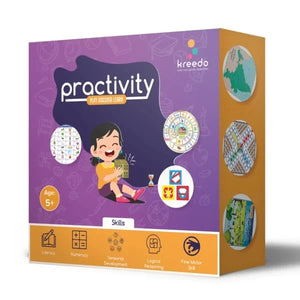
Children aged 5-8 years acquire essential foundational skills through Montessori, including practical life skills, refined motor coordination, sensory discrimination, and a solid understanding of language and mathematics. These skills prepare them for future learning and everyday challenges. Hands-on materials like those found in activityKits facilitate this development.
Are specific Montessori materials necessary for home learning in India?
While authentic Montessori materials are ideal, the philosophy emphasizes principles over exact tools. Many foundational concepts can be taught using accessible home learning resources, including DIY materials or educational puzzles. The key is creating a prepared environment that encourages self-discovery and independent work.
How does Montessori support migrant children's education in India?
Montessori's adaptability and focus on a 'prepared environment' make it highly suitable for education for migrant children India. It provides a consistent learning structure that children can carry with them, regardless of their physical location. This approach helps maintain educational continuity and emotional stability amidst frequent changes.
Where can Indian parents find accessible Montessori home learning resources?
Indian parents can find accessible Montessori home learning resources through platforms like SkilloToys.com, which offers a range of Montessori method learning materials and activityKits. Additionally, community initiatives and online guides provide ideas for creating DIY materials from everyday household items, making quality education more attainable.