Play-Based Learning Benefits India: Ease Academic Pressure
Play-based learning significantly benefits India's primary education by fostering holistic development and substantially easing the prevalent academic pressure on young children. This approach, which prioritises exploration and engagement over rote memorisation, transforms classrooms into dynamic spaces where curiosity thrives and children develop critical thinking, problem-solving, and social-emotional skills essential for their future. Research shows that integrating play improves learning outcomes and reduces stress, making education a joyful journey for children across India.
What is Play-Based Learning?
Play-based learning is an educational approach where children learn through self-directed or guided play activities, encouraging active engagement and discovery. This matters because it builds foundational cognitive, social, and emotional skills more effectively than traditional methods. Indian parents can implement this by providing open-ended learning materials and encouraging exploration at home, integrating learning into daily life.
Play-Based Learning Benefits India's Primary Education System
Studies indicate that children engaged in play-based learning demonstrate higher motivation and deeper understanding compared to those in conventional, rigid settings. This approach is particularly vital in India, where the pressure for early academic success often stifles natural curiosity and innovation. Maria Montessori, a pioneer in child development, profoundly emphasized that children learn best through direct experience and exploration, a principle that underpins all effective play-based learning.
Integrating play means students, especially between 5-8 years, can explore complex concepts like mathematics through stacking blocks or understanding language with tactile sandpaper letters. A recent report by India Development Review highlights how play can significantly improve learning in Indian classrooms, suggesting a positive shift in educational perspectives. This method not only enhances academic performance by making learning more memorable but also instills a lifelong love for learning, a critical outcome often missed in exam-focused systems prevalent in many Indian schools.
Moreover, play-based environments cultivate essential executive functions such as attention regulation, working memory, and cognitive flexibility. These are crucial for navigating academic challenges and real-world situations, preparing children for a future that demands adaptability rather than just factual recall. Child development experts agree that fostering these skills early on creates a stronger foundation for all future learning.
Easing Academic Pressure with Montessori Principles
The relentless academic pressure faced by Indian schoolchildren, often starting as early as kindergarten, leads to widespread anxiety and disengagement, a phenomenon highlighted by articles like Scroll.in discussing ‘discipline problems’ beyond social media. Play-based learning, deeply rooted in Montessori philosophy, offers a powerful antidote to this stress. By allowing children to learn at their own pace and pursue their interests through carefully prepared environments, it transforms school from a place of stress into an environment of discovery and joy.
Montessori learning primary school India models prioritize individualized learning paths and hands-on exploration. This dramatically reduces the burden of standardized testing and rote memorization, which are significant stressors for young minds navigating a demanding educational landscape. Reputable research consistently shows that a stress-free learning environment fosters better retention and application of knowledge, allowing children to truly understand concepts rather than just recall facts for exams, ensuring deeper learning and less burnout.
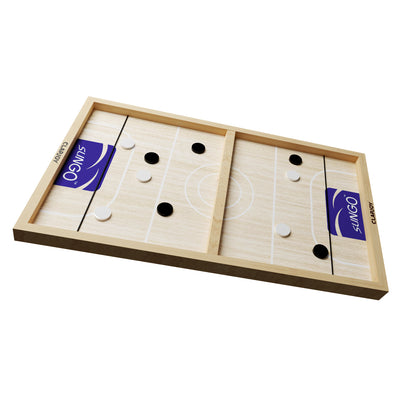
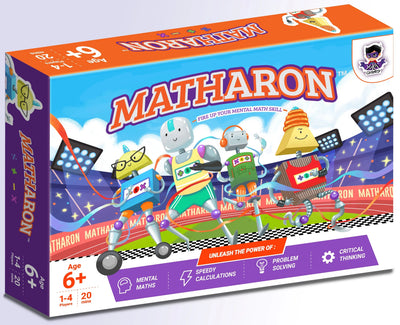
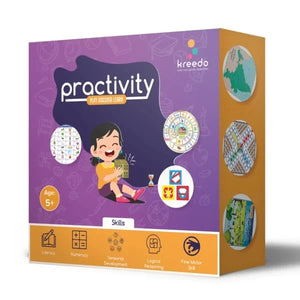
For parents managing academic pressure kids face, incorporating elements like purposeful puzzles or creative activity kits at home can significantly reinforce school learning in a fun, pressure-free way. This collaborative approach between home and school ensures that children feel supported and understood, reducing anxiety around performance and fostering a positive, enduring attitude towards education, crucial for their overall well-being and development.
Hands-On Learning: A Foundation for Lifelong Skills
The importance of play in education India cannot be overstated, particularly for developing crucial life skills that extend far beyond textbooks. Hands-on learning early years activities cultivate essential problem-solving abilities, critical thinking, and creativity – skills that are increasingly vital in the 21st century and highly sought after by employers. Instead of passively receiving information, children actively construct their understanding through manipulation, experimentation, and direct engagement with their environment.
Consider how building with blocks naturally teaches geometry, balance, and spatial reasoning, or how dramatic play spontaneously develops language, empathy, and social negotiation skills. Studies indicate that children who consistently engage in hands-on learning demonstrate superior conceptual understanding, improved retention, and are significantly better equipped to adapt to new challenges and apply knowledge in novel situations. This approach addresses the root causes of disengagement, fostering intrinsic motivation rather than relying on external rewards or punishments.
This pedagogical shift aligns with innovative initiatives seen in diverse Indian contexts, such as the ‘Learning Companions’ model for Bharwad Nomadic Children in Maharashtra, highlighted by The Better India, which relies on adaptable, experience-based learning. By integrating purposeful play, schools can move beyond traditional boundaries, offering a richer, more relevant educational experience that resonates with children's natural curiosity. Parents can further this at home with a wide range of Montessori method learning materials and toys available from SkilloToys.com, transforming everyday moments into invaluable learning opportunities for their little ones.
The Role of Parents and Grandparents in Supporting Play-Based Learning
In the vibrant Indian joint family system, grandparents often play a pivotal role in a child's upbringing, contributing wisdom, stories, and traditions. Their involvement, combined with a playful approach, can significantly augment a child's learning journey, creating a holistic support system. Creating a home environment that actively encourages exploration, curiosity, and independent play is crucial for reinforcing what children learn in school and fostering a love for discovery.
This means providing age-appropriate, open-ended materials that spark imagination, allowing for "creative messes" that are part of the learning process, and valuing the process of discovery over the final, perfect product. Engaging in simple, traditional activities like cooking together, storytelling sessions, or even traditional games like carrom or gilli-danda can become powerful, informal learning experiences that teach valuable life skills and strengthen intergenerational bonds. Encouraging children to articulate their thoughts and describe their play further helps develop language and critical thinking skills, making every moment a learning opportunity.
- Play-based learning significantly improves learning outcomes and reduces academic stress in primary school children.
- Maria Montessori's philosophy champions learning through direct experience and exploration, a core tenet of play-based education for holistic development.
- Research consistently shows children in play-based environments exhibit higher motivation, deeper understanding, and superior problem-solving skills.
- This approach fosters crucial social-emotional and cognitive skills, preparing children for future challenges beyond mere rote memorization.
- Integrating purposeful play at home with educational toys reinforces school learning and strengthens family connections within Indian households.
- Play-based learning offers a viable, engaging solution to the discipline issues and disengagement often observed in high-pressure academic settings.
Is play-based learning effective for academic subjects like Math and Science?
Yes, play-based learning is highly effective for academic subjects. Children develop a deeper, intuitive understanding of concepts like geometry through building blocks or scientific principles through hands-on experiments, making abstract ideas tangible and memorable.
How can play-based learning reduce academic pressure on Indian children?
Play-based learning reduces pressure by shifting focus from rote memorization and high-stakes testing to joyful discovery and active engagement. This approach respects individual learning paces and interests, significantly lowering anxiety and fostering a positive attitude towards education.
What role do parents play in implementing play-based learning at home?
Parents play a crucial role by providing a stimulating environment, offering open-ended learning materials, and encouraging free exploration. Engaging in activities like storytelling or collaborative games reinforces learning and strengthens family bonds without added stress.
Is play-based learning suitable for children in primary school (5-8 years)?
Absolutely, play-based learning is highly suitable and beneficial for primary school children aged 5-8 years. During these critical years, it nurtures essential cognitive skills, social development, and emotional intelligence, providing a strong foundation for future academic success.
How does Montessori philosophy align with play-based learning in the Indian context?
Montessori philosophy aligns perfectly by emphasizing self-directed activity, hands-on learning, and collaborative play, which are central to play-based education. This approach, adaptable to Indian homes and classrooms, respects each child's unique development, promoting independence and a love for learning.