Private Schools India: Quality & Academic Success (5-8 Years)
Research shows that a significant number of Indian parents choose private schools India primarily driven by a desire for perceived higher quality education and better academic success for their children. As highlighted by recent reports indicating 'Why 4 in 10 Indian children go to private schools', this decision reflects deep-seated aspirations for a competitive edge and robust foundational learning, aiming to equip their children aged 5-8 years with the best possible start. This choice is often an investment in facilities, teacher-student ratios, and curriculum quality that parents believe public schools may not consistently offer, aiming to foster academic excellence alongside overall development.
What is Quality Education in the Indian Context?
Quality education, in the Indian context, is a holistic learning experience that extends beyond textbooks to nurture critical thinking, creativity, and character. This matters because it prepares children not just for exams but for life's challenges and future opportunities. Indian parents can actively seek environments that balance academic rigour with developmental support, both within schools and through supplementary home learning.
The Driving Force: Why Indian Parents Invest in Private Schools
Research shows that a driving force behind the growth of private schools India is the deep-seated desire among parents for enhanced learning environments. Parents often associate private institutions with better infrastructure, modern teaching methodologies, and a more structured approach to academic success. This perceived advantage directly addresses parental concerns about academic pressure India, where competition for higher education and career opportunities begins early.
While online learning platforms offer a wealth of free knowledge, as NDTV questioned, "Learning Is Free Online, So Why Are Parents Paying Lakhs For Education?" The answer lies in the structured environment, peer interaction, and comprehensive development that private schools promise. Families, including grandparents in joint families, often pool resources, viewing private schooling as a crucial investment in a child's future. They aspire for their children to not only excel academically but also develop into well-rounded individuals, a sentiment that resonates deeply within Indian households.
Montessori's Holistic Approach: Beyond Rote Learning
Child development experts agree that a holistic approach to education, as championed by Dr. Maria Montessori, offers a powerful counterpoint to rote learning, particularly for children aged 5-8 years. The Montessori method focuses on self-directed activity, hands-on learning, and collaborative play, fostering a love for discovery rather than just memorization. This philosophy naturally supports children in developing crucial cognitive and problem-solving skills, which are invaluable regardless of the school environment.
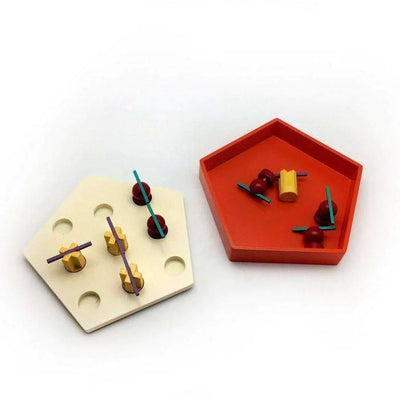
Incorporating educational toys at home can significantly enhance a child's learning journey, mirroring the Montessori principles of practical life and sensorial exploration. Materials like geometric puzzles and specific language tools, even if not official Montessori items, empower children to learn through exploration. These experiences build concentration, independence, and a deeper understanding of concepts, preparing them not just for school but for life.
Bridging Gaps: SkilloToys for Quality Education at Home
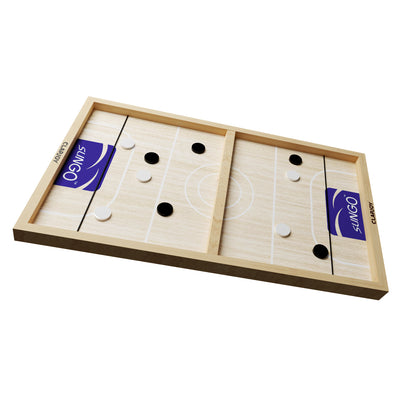
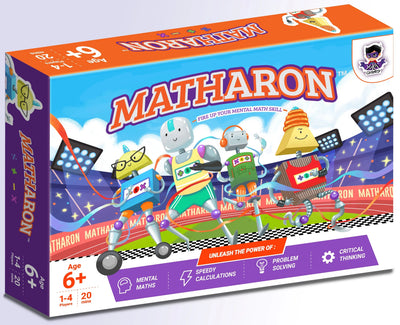
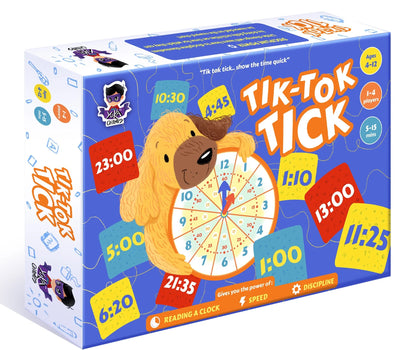
For Indian parents seeking to supplement their child's school learning or ensure quality education India at home, SkilloToys.com offers carefully curated Montessori-inspired resources. Our range of kids learning toys is designed to complement classroom learning, fostering curiosity and critical thinking beyond school hours. These materials empower parents to create a rich, stimulating environment that supports academic success without adding undue pressure.
Studies indicate that engaging with hands-on activityKits can significantly boost a child's understanding of complex subjects like mathematics and science. Whether it's exploring geography through tactile maps or understanding numbers with bead chains, these tools reinforce concepts learned in school. They also provide a peaceful, focused activity, offering a valuable respite from the structured environment of private schools, especially during festival breaks or summer holidays when children are at home with their families. Explore our full range of Montessori method learning materials and toys to support your child's continuous development.
Balancing Aspirations and Well-being
Balancing the aspiration for academic excellence with a child's overall well-being is a critical challenge for Indian parents today. While private schools India are often chosen for their promise of superior academics, it's equally vital to ensure that this pursuit does not come at the cost of a child's joy, creativity, or mental health. A balanced approach means recognizing that true success encompasses emotional intelligence, social skills, and a genuine love for learning, not just grades.
Child development experts continually emphasize the importance of play and exploration for healthy cognitive and emotional growth, particularly for children aged 5-8. Integrating play-based learning and providing opportunities for free exploration at home can significantly reduce stress and foster a deeper, more resilient understanding of concepts. This approach ensures children develop a robust foundation that serves them well beyond their school years.
- 4 in 10 Indian children attend private schools, driven by quality aspirations.
- Private schools in India often promise better infrastructure and academic results.
- Montessori education focuses on self-directed learning and holistic child development.
- Educational toys bridge learning gaps and supplement school curricula at home.
- A balanced approach helps children manage academic pressure effectively.
Why are private schools so popular in India?
Private schools in India are popular due to the perceived higher quality of education, better infrastructure, and enhanced academic outcomes they promise. Parents often choose them to ensure their children have a competitive edge and a strong foundation for future opportunities, viewing it as a critical investment.
How do Montessori principles support academic success in primary years?
Montessori principles, focusing on self-directed activity and hands-on learning, foster critical thinking, problem-solving skills, and a genuine love for learning, which are fundamental to academic success. This approach builds a deep understanding of concepts, moving beyond rote memorization.
Can educational toys truly make a difference in a child's learning?
Yes, educational toys can significantly enhance a child's learning by providing hands-on, engaging experiences that reinforce classroom concepts and develop crucial cognitive skills. They encourage independent exploration, problem-solving, and creativity in a low-pressure home environment.
How can parents balance academic pressure with holistic development for their 5-8 year olds?
Parents can balance academic pressure with holistic development by prioritizing play-based learning, fostering interests outside academics, and ensuring a supportive home environment. Encouraging curiosity and self-discovery through educational tools at home can complement school learning without adding undue stress.
What is the role of quality education in India today?
Quality education in India today goes beyond academic achievement to include critical thinking, creativity, emotional intelligence, and social skills. It aims to prepare children not just for examinations but for future challenges, innovation, and global citizenship, fostering well-rounded individuals.