RTE Reimbursement Education India: Montessori for Quality Learning
Montessori education offers a child-centric, individualized approach that complements the goals of RTE reimbursement education India, ensuring children from disadvantaged backgrounds receive not just access, but also high-quality, holistic learning experiences crucial for their overall development from 5-8 years. This method fosters independence and critical thinking, vital skills often overlooked in conventional, overcrowded classrooms accessed via RTE. It directly addresses the insights from 'School Education: From Right to Reimbursement' by The India Forum, advocating for true learning equity.
The Right to Education (RTE) Act, 2009, mandates free and compulsory education for children aged 6-14, with reimbursement provisions facilitating private school enrollment for economically weaker sections. This is critical because it ensures primary school access India-wide, aiming to bring every child into the learning fold, as championed by UNICEF's 'Every child in school' initiative. For Indian parents, understanding the nuances of RTE reimbursement benefits can open doors to diverse educational settings.
Bridging the Quality Gap for RTE Students (5-8 Years)
While the RTE Act has been instrumental in increasing school enrollment, as noted by various development reviews, simply gaining access does not always equate to quality education. Many schools, particularly those with high student-teacher ratios, struggle to provide individualized attention. Child development experts agree that children aged 5-8 are in a critical period for developing foundational academic and social skills, making the quality of their early learning experience paramount.
This is where Montessori for RTE students offers a transformative solution. Instead of a one-size-fits-all curriculum, Montessori promotes a prepared environment where children choose their activities, guided by trained educators. This fosters self-discipline, concentration, and a genuine love for learning, which is especially beneficial for children who might otherwise feel overwhelmed or disengaged in larger, more rigid classroom settings.
Cultivating Holistic Development Beyond Academics
The increasing academic pressure on young children in India is a common concern among parents, especially in primary school years. Montessori philosophy, developed by Dr. Maria Montessori, champions holistic development, focusing on cognitive, social, emotional, and physical growth. Research indicates that children in Montessori environments often exhibit stronger problem-solving skills and greater creativity compared to those in traditional settings.
For a 7-year-old like Rohan in Chennai, accessing schooling through RTE, a Montessori-inspired approach could mean developing confidence in his own abilities, rather than feeling pressured to keep up with a prescribed pace. It shifts the focus from rote memorization to deep understanding, making learning a joyful discovery. This emphasis on intrinsic motivation aligns with global calls for reducing the 'rising cost of learning in India' which isn't just financial, but also impacts a child's mental well-being.
Montessori Principles at Home: Empowering Parents and Children
Even if a dedicated Montessori school isn't an option, parents can easily integrate Montessori at home India, creating a supportive learning environment. This is particularly valuable for children aged 5-8, as it reinforces school learning and provides an outlet for independent exploration. Simple activities, often found in traditional Indian homes, naturally align with Montessori principles.
For instance, involving children in daily chores like sorting lentils or arranging puja items helps develop practical life skills and fine motor coordination. Offering a dedicated, uncluttered space for their belongings empowers them with responsibility. Grandparents, with their wealth of stories and practical knowledge, can also be incredible facilitators of hands-on learning, making education a collaborative family effort, truly enhancing quality education for disadvantaged children India.
Choosing Impactful Educational Materials for Ages 5-8
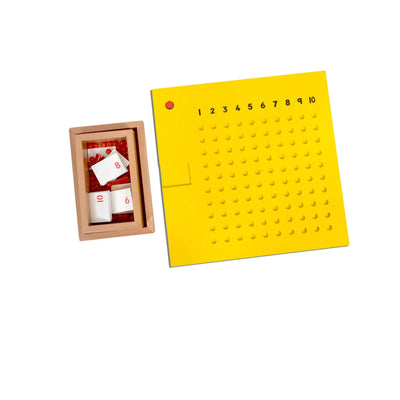
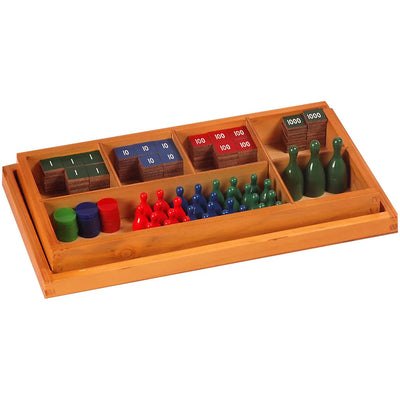
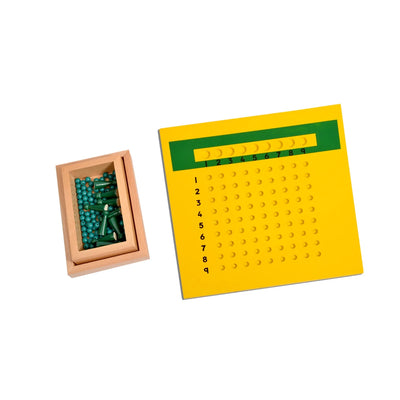
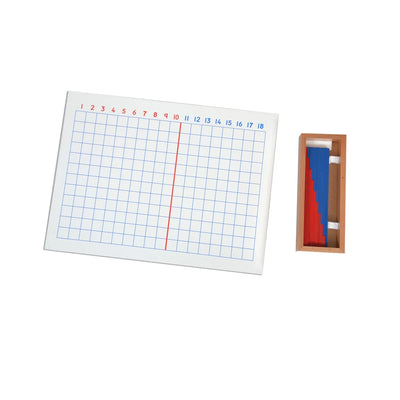
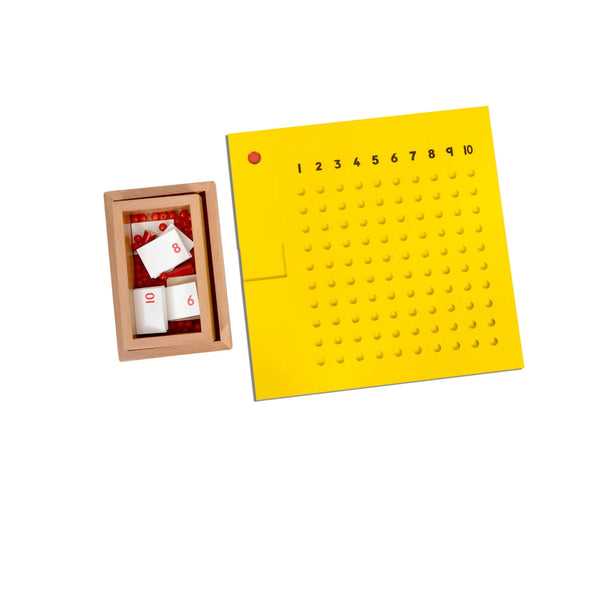
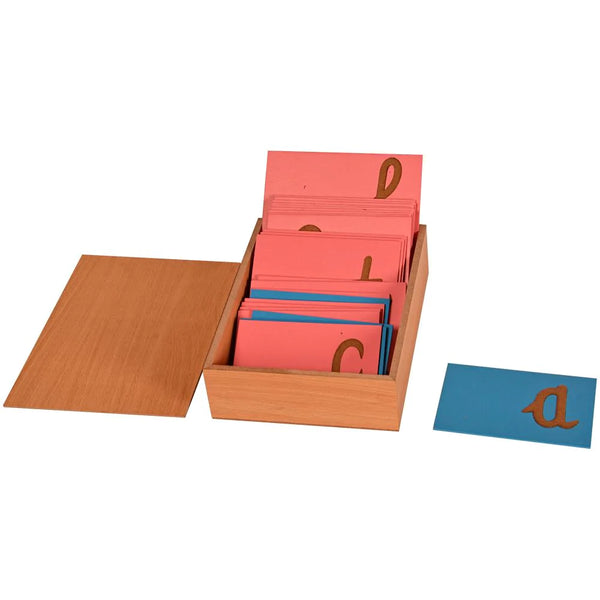
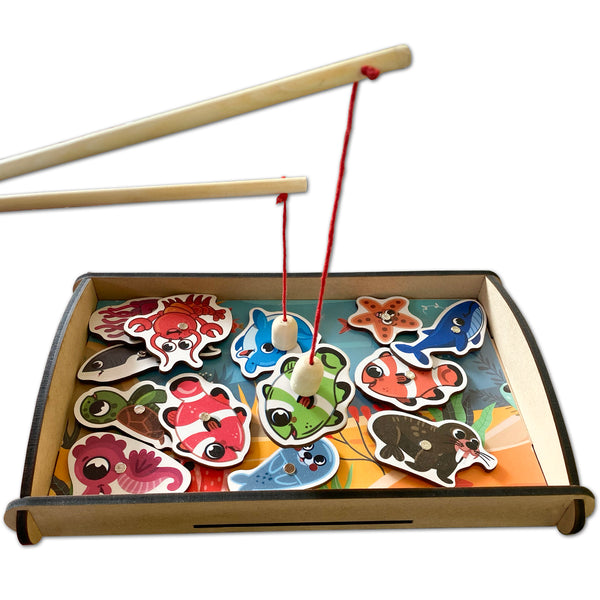
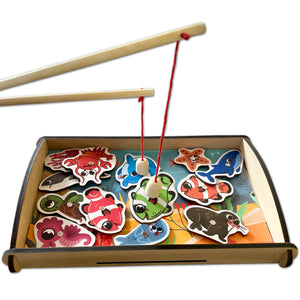
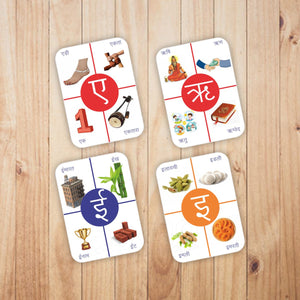
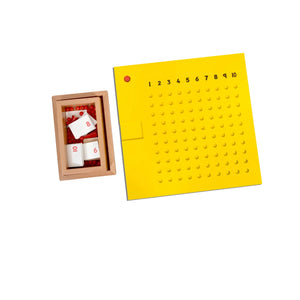
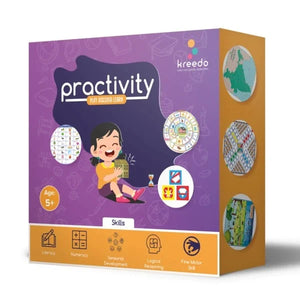
Selecting the right educational toys for RTE children aged 5-8 can significantly boost their development. Focus on materials that encourage active participation, problem-solving, and independent thinking rather than passive entertainment. These types of materials foster the concentration and purposeful work that are hallmarks of the Montessori method.
Consider gifting engaging puzzles that challenge spatial reasoning and logic, or versatile activity kits that allow for creative expression and exploration of concepts like science or geography. SkilloToys.com offers a curated range of Montessori-aligned materials that support cognitive growth, fine motor skills, and imaginative play, ensuring that every child has access to tools that nurture their potential. Explore our main collection for more such options: Montessori Learning Materials.
By consciously integrating Montessori principles, Indian parents can maximize the impact of the Right to Education Act's reimbursement benefits. This ensures their children receive not just a place in school, but a truly enriching, holistic educational foundation that prepares them for a lifetime of joyful learning and confident engagement with the world. It transforms the mere right to access into a right to thrive.