Screen Time Anxiety in Primary School India: Montessori Guide
Managing screen time anxiety primary school India presents a significant challenge for parents navigating the digital age. Studies confirm that excessive screen exposure directly contributes to heightened stress and reduced concentration in young children, impacting their overall well-being. By adopting a structured Montessori approach, Indian parents can effectively mitigate these anxieties and foster a more balanced developmental environment at home.
Screen time anxiety refers to the psychological distress, irritability, and restlessness children experience due to excessive digital device usage and withdrawal. This matters profoundly because it disrupts emotional regulation, sleep patterns, and academic focus, crucial for primary school development. Indian parents can address this by implementing intentional screen limits and providing enriching, screen-free alternatives.
Understanding Online Gaming Impact on Children India
The rise of online gaming platforms has profoundly reshaped childhood experiences across India, often leading to unintended consequences. Research indicates that children spending over two hours daily on screens are more likely to exhibit emotional problems and anxiety, with gaming being a primary driver. This intense engagement can disrupt sleep cycles, diminish interest in traditional schooling, and reduce crucial social interactions vital for holistic development.
Parents in India frequently observe heightened irritability and even aggressive behaviour when gaming sessions are interrupted. This impact extends beyond emotional regulation, affecting academic performance and leading to what many educators term 'discipline' problems, as reported in recent news discussions. Addressing the specific allure and impact of online gaming is therefore paramount for promoting children's well-being.
Recognising Social Media Anxiety Kids India Face
Beyond gaming, social media platforms and instant messaging apps contribute significantly to digital distress among primary school children, even if indirectly through older siblings or parental usage. Children, even at this young age, are susceptible to comparison, peer pressure, and the fear of missing out (FOMO) when exposed to digital content. This early exposure can fuel anxiety, affecting self-esteem and social confidence.
A recent report highlighted that over 70% of Indian primary school parents express concern about their child's screen addiction and its mental health implications, including anxiety from social media. The constant bombardment of curated images and information can create unrealistic expectations, leading to feelings of inadequacy. Parents must actively shield their young ones from these pressures and foster real-world connections instead.
The Montessori Way: Digital Detox for Primary Schoolers
Maria Montessori's philosophy, centred on observation and preparing an environment conducive to natural development, offers a powerful framework for a digital detox for primary schoolers. This approach champions purposeful activity and deep concentration over passive consumption. By providing a rich, stimulating environment at home, parents naturally draw children away from screens.
The Montessori method emphasises practical life activities like sweeping, pouring, or dressing, which build independence and focus. It also introduces sensorial materials that refine the senses, helping children understand the world concretely. Such engagement, rooted in reality, directly counteracts the abstract and often overwhelming nature of digital screens, fostering a calmer, more centred child.
Montessori Alternatives to Screens: Engaging Real-World Play
To effectively manage screen time anxiety, providing compelling alternatives is essential. Educational toys, particularly those aligned with Montessori principles, are designed to engage children's hands and minds, offering tangible experiences that screens cannot replicate. These materials cultivate concentration, problem-solving skills, and a sense of accomplishment, acting as potent tools for educational toys for anxiety relief.
Engaging children with hands-on learning through Montessori puzzles can redirect their focus and build concentration through logical sequencing and fine motor development. Similarly, the careful manipulation of materials like the Pink Tower or sandpaper letters offers a profound sensory experience that calms the mind and encourages deep work. These activities promote a flow state, which is inherently anxiety-reducing.
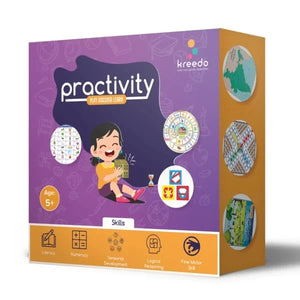
For a deeper dive into practical skills and creativity, exploring a range of Montessori activity kits offers structured, screen-free engagement. These kits often include real tools and materials for crafting, building, or scientific exploration, nurturing a child's innate curiosity. Ultimately, investing in quality Montessori educational materials from SkilloToys provides tangible, anxiety-reducing alternatives that support healthy brain development and emotional well-being.
Crafting a Balanced Digital Diet for Indian Homes
Establishing healthy digital habits requires a holistic approach tailored to the unique dynamics of Indian households. Parents must lead by example, consciously reducing their own screen usage, especially during family mealtimes and interactions. Creating designated screen-free zones, such as the dining area or bedrooms, helps reinforce these boundaries.
Involving grandparents and other family members in understanding these guidelines is also crucial, particularly in joint family setups where rules might vary. Encouraging participation in traditional games, storytelling, or helping with festival preparations offers rich cultural alternatives to screens. During long summer breaks or Diwali holidays, planning enriching activities together can prevent screen time from spiralling, promoting family bonding and healthy development.
- Excessive screen time significantly contributes to anxiety and reduced concentration in primary school children.
- Online gaming and social media exposure can lead to irritability, sleep disturbances, and academic challenges.
- The Montessori approach provides a structured environment for natural digital detox through purposeful activity.
- Hands-on Montessori educational toys foster concentration, problem-solving, and emotional regulation, serving as effective screen alternatives.
- Implementing consistent screen limits and creating screen-free zones are essential for managing digital habits in Indian homes.
- Active parental involvement and family-wide commitment are vital for cultivating a balanced digital diet for children.
What are the signs of screen time anxiety in primary school children?
Signs include irritability, restlessness, difficulty concentrating, sleep disturbances, and intense emotional reactions when screens are removed. Children may also exhibit increased demand for screen time and withdrawal from other activities.
How much screen time is appropriate for a 5-8 year old in India?
Child development experts recommend limiting recreational screen time for children aged 5-8 to one hour per day, ideally co-viewed with a parent. This guideline helps protect against negative impacts on development, attention, and social skills.
Can educational toys truly reduce screen dependence?
Yes, educational toys provide engaging, hands-on alternatives that foster concentration, problem-solving, and creativity, naturally reducing reliance on digital screens. Montessori materials, in particular, promote sustained focus and a love for practical learning.
What role do parents play in managing digital habits?
Parents are crucial role models and enforcers of healthy digital boundaries. Establishing clear family rules, creating screen-free zones, and actively engaging in alternative activities with children are essential for effective management.
How can Montessori principles help with digital detox?
Montessori principles emphasize a prepared environment, practical life skills, and purposeful, self-directed activity, which naturally divert attention from screens. This approach cultivates intrinsic motivation and concentration through real-world engagement, promoting a digital detox.