Hidden Emotional Burden in Children: Montessori's Role
The recent psychological insight from The Economic Times highlighting a hidden emotional burden in children perceived as 'wiser' than their years is a crucial call to action for parents. This silent weight, often unseen beneath a veneer of maturity, can hinder authentic emotional well-being. Montessori play provides a unique and powerful framework, nurturing emotional resilience and supporting genuine self-expression in these precocious young minds.
What is an emotionally wise child's hidden burden? This burden is the internalised stress children experience when they consistently process complex emotions beyond their years, often intellectualising feelings instead of authentically expressing them. This matters because it can lead to anxiety and emotional detachment. Indian parents can identify this by noticing subtle withdrawal, perfectionism, or persistent worrying in their otherwise capable children.
Understanding the Hidden Emotional Burden in Children
In competitive India, children are often encouraged to be "wise beyond their years," celebrated for their early grasp of complex concepts or empathetic responses. However, as noted by psychology experts in The Economic Times, this perceived wisdom can mask a significant challenge: the emotionally wise child challenges. These stem from a natural tendency to absorb and process adult emotions or societal pressures, often without the mature coping mechanisms to release them effectively.
This burden often manifests as anxiety, a heightened sense of responsibility, or even perfectionism in academic pursuits, where the pressure to excel is immense for Indian children. The Times of India recently underscored why emotional intelligence matters more than just academic scores, yet many children still feel compelled to prioritise intellectual achievement. This imbalance can prevent them from truly experiencing and expressing their authentic feelings, leaving them isolated even within supportive joint families.
Research indicates that when children are consistently praised for their maturity, they may feel compelled to suppress their true emotional responses. This can lead to a disconnect between their outward presentation and internal experience, creating a profound hidden burden. Recognizing these subtle signs is the first step towards offering meaningful support.
Montessori: A Sanctuary for Authentic Emotional Development
Maria Montessori's philosophy offers a profound approach to nurturing genuine emotional well-being. By creating a meticulously prepared environment, Montessori education allows children to develop self-regulation and independence, crucial components of authentic emotional development. Children are encouraged to choose their activities, fostering a sense of control and competence that is vital for emotional security.
This self-directed learning empowers children to explore their interests at their own pace, free from external judgment or comparison, a stark contrast to traditional rote learning. Studies indicate that children in Montessori environments often exhibit greater self-discipline and problem-solving skills, which are intrinsically linked to emotional resilience. They learn to manage frustration, persevere through challenges, and find satisfaction in their efforts, rather than solely focusing on outcomes.
The prepared environment acts as a haven, allowing children to engage deeply with materials and develop concentration, a foundational skill for emotional regulation. This systematic approach ensures that emotional growth is as meticulously supported as cognitive development, laying a strong foundation for handling life's complexities.
Practical Montessori Approaches for the Precocious Child
For parents seeking precocious child emotional support, Montessori offers tangible tools. Practical Life activities, such as pouring, sweeping, or buttoning, engage children in purposeful work that calms the mind and develops concentration. These simple, repeatable tasks provide a profound sense of order and accomplishment, helping children process internal complexities in a structured, accessible way.
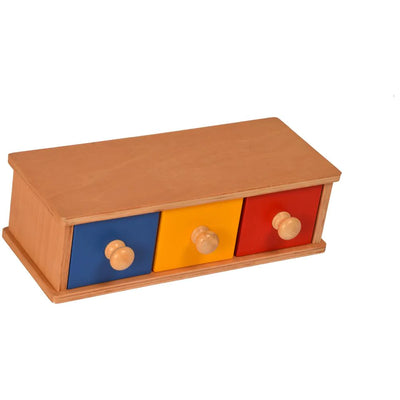
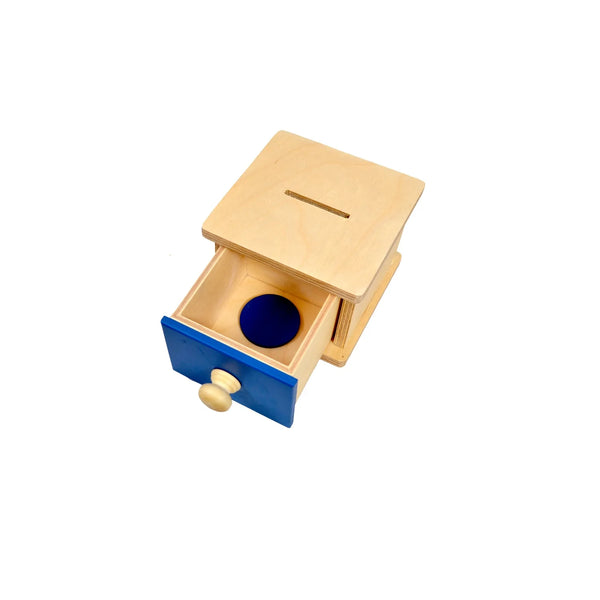
Sensorial materials, like the Pink Tower or Brown Stair, further aid this process. By focusing on concrete attributes, children learn to categorise and understand their world, indirectly developing a framework for understanding abstract concepts, including emotions. These engaging Montessori learning materials from SkilloToys.com help channel intense focus into productive, calming activities, providing an outlet for their advanced minds. They foster self-correction and build inner fortitude, vital for managing the weight of their "wisdom."
Nurturing Child Stress Management Through Play
Authentic play is not just recreation; it's a critical tool for child stress management through play. In a Montessori setting, play is purposeful and often leads to deep concentration, known as "flow state," where children are fully absorbed in their activity. This state allows for emotional processing and release, much like the immersive, interactive experiences offered at initiatives like the 'Emotions Lab' launched by NMACC and Reliance Foundation, as reported by ANI News and Fortune India.
Research consistently shows that environments promoting self-directed learning foster greater emotional resilience. By engaging with Montessori activity kits, children can externalise internal struggles through creative expression, role-playing, or focused manipulation of materials. This natural outlet prevents emotions from becoming a hidden burden, allowing children to understand and integrate their feelings in a healthy manner.
Child development experts agree that uninterrupted, self-chosen play is crucial for developing robust coping mechanisms and emotional literacy. It provides a safe space for children to explore their feelings without judgment, transforming potential burdens into opportunities for growth and self-discovery.
Why Montessori for Sensitive Children in a Competitive World?
For Montessori for sensitive children, especially in India's demanding educational landscape, provides a crucial buffer. The system's emphasis on individual pace and respect for the child's unique development contrasts sharply with the often high-pressure, comparison-driven school environments. Montessori nurtures intrinsic motivation, valuing the process of learning over mere outcomes.
This approach builds a robust inner core, equipping children to navigate external pressures without compromising their emotional integrity. Child development experts agree that fostering a child's inner peace and self-worth is paramount for long-term success and happiness. It allows children to truly connect with their feelings, rather than suppressing them to fit into societal expectations, thereby alleviating the hidden emotional burden.
In a world that often prioritises outward achievement, Montessori gently guides children towards internal harmony. It empowers them to embrace their sensitivity as a strength, fostering resilience and self-acceptance that will serve them well throughout their lives, from school hallways to future family responsibilities.
- The 'hidden emotional burden' in 'wise' children involves internalised stress from processing complex emotions without adequate support.
- Montessori education fosters authentic emotional development through self-directed play and a prepared environment.
- Practical Life and Sensorial Montessori materials provide tangible tools for precocious children to manage internal complexities.
- Purposeful, concentrated play is a vital mechanism for child stress management and emotional release.
- Montessori's focus on individual pace and respect for the child builds resilience for sensitive children in competitive settings.
- Emotional intelligence is increasingly recognised as more crucial for holistic well-being than academic scores alone.
How can I tell if my child has a hidden emotional burden?
Children with a hidden emotional burden might exhibit perfectionism, excessive worrying, withdrawal from social interactions, or difficulty expressing strong feelings directly. They may also appear unusually mature or responsible for their age, masking internal anxieties.
What role does Montessori play in emotional intelligence development?
Montessori fosters emotional intelligence by promoting independence, self-regulation, and empathy through a child-led learning environment. Children learn to identify and manage their emotions through purposeful work and respectful social interactions, developing a strong sense of self.
Are Montessori methods effective for highly sensitive children?
Yes, Montessori methods are particularly effective for highly sensitive children because they offer a calm, predictable, and non-judgmental environment. The emphasis on individual pace and freedom of choice reduces overstimulation and allows sensitive children to process their experiences at their own rhythm.
How does purposeful play reduce stress in children?
Purposeful play reduces stress by providing an outlet for emotional expression and problem-solving. When children engage deeply in self-chosen activities, they enter a "flow state" that helps them process complex feelings, develop coping mechanisms, and experience a sense of control and accomplishment.
Can Montessori help children manage academic pressure in India?
Yes, Montessori can significantly help children manage academic pressure in India by fostering intrinsic motivation and a love for learning, rather than solely focusing on external grades. It builds confidence, critical thinking, and resilience, equipping children to approach challenges with a healthy mindset and reduced anxiety.