Montessori Emotional Intelligence: India's Original 'Emotions Lab'
Montessori emotional intelligence is cultivated through a child-centered approach that prioritizes self-directed learning, practical life skills, and social interaction within a prepared environment. Research shows this method uniquely fosters empathy, problem-solving, and emotional regulation, making it an original 'Emotions Lab' for holistic child development in India, preparing children for life's challenges beyond academic scores. This enduring framework offers a profound, experiential pathway to nurture emotional growth, much like the innovative 'Emotions Labs' making headlines today.
As headlines from ANI News and Moneycontrol.com celebrate the immersive learning experience offered by initiatives like the 'Emotions Lab' at NMACC, Indian parents are keenly reminded of the growing importance of emotional intelligence. The Times of India recently highlighted why emotional intelligence matters more than academic scores for kids, echoing a sentiment many families already feel in our competitive landscape. While these new labs offer a fascinating glimpse into interactive emotional learning, it's crucial to acknowledge that India has, for decades, harbored its own pioneering 'Emotions Lab' – the Montessori Method.
What is Montessori emotional intelligence? Montessori emotional intelligence is the child's innate capacity for self-awareness, empathy, and social skill development, nurtured within a specially designed environment. This matters because emotional quotient (EQ) is a stronger predictor of lifelong success than IQ. Indian parents can empower their children by integrating Montessori principles at home, fostering resilience and balanced emotional growth.
Montessori Method Emotional Development: Cultivating Inner Resilience
The Montessori method inherently cultivates emotional intelligence by placing the child at the center of their learning journey. It is a robust framework for Montessori method emotional development, fostering skills like self-regulation, perseverance, and empathy through real-world interactions. Children in a Montessori environment learn freedom within limits, allowing them to make choices and experience the natural consequences, thereby understanding their own emotional responses.
Child development experts agree that allowing children to work independently on purposeful tasks, like pouring water or buttoning a shirt, builds concentration and a sense of accomplishment. This process, often seen in Practical Life activities, directly contributes to emotional regulation as children learn to manage frustration and persist through challenges. Studies indicate that children with higher emotional intelligence demonstrate greater academic achievement, stronger relationships, and improved mental well-being throughout their lives.
Experiential Learning for Kids: The Montessori Difference
Unlike traditional rote learning, Montessori champions experiential learning for kids, where emotional and social skills are not merely taught but lived. Children engage with carefully designed materials – like the Pink Tower or geometric solids – that offer immediate feedback and invite self-correction. This hands-on problem-solving hones their ability to manage setbacks and celebrate successes, mirroring real-life emotional experiences.
Through collaborative work and group activities, children naturally practice communication, negotiation, and conflict resolution. This rich, interactive environment allows them to explore social dynamics and develop empathy organically. For parents seeking to provide engaging, skill-building opportunities, exploring diverse activityKits offers an excellent starting point for this type of immersive, hands-on learning at home.
Montessori Educational Toys: Building Blocks for Emotional Growth
Montessori educational toys are not just playthings; they are tools meticulously crafted to support a child's holistic development, including emotional growth. Materials are designed to be self-correcting, empowering children to learn from their mistakes independently, fostering confidence and reducing the need for external validation. This cultivates a strong sense of self-efficacy and resilience.
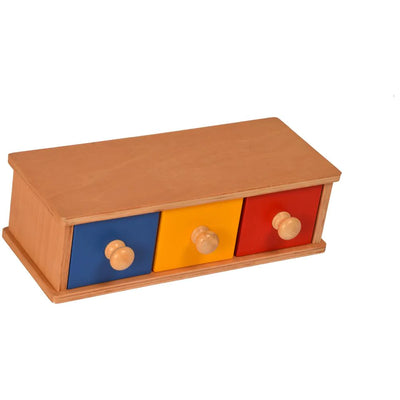
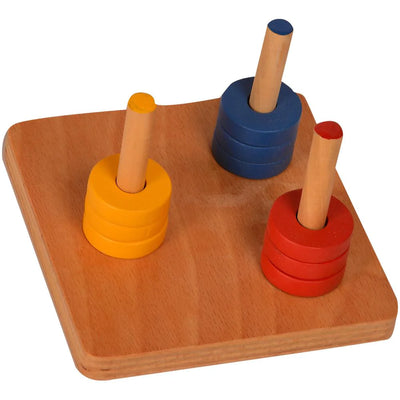
When a child engages with a puzzle, for instance, they develop patience and problem-solving skills crucial for navigating emotional challenges. Similarly, materials that encourage fine motor skills and focused attention, available in SkilloToys.com's extensive Montessori Method Learning Materials collection, build the concentration needed for emotional introspection. These purposeful engagements translate into better self-awareness and control, foundational aspects of emotional intelligence.
Creating an 'Emotions Lab' at Home: Practical Montessori Steps
Indian parents can readily transform their homes into an effective 'Emotions Lab at home' using Montessori principles, fostering emotional intelligence in everyday settings. Start by creating a prepared environment that offers order, accessibility, and choice. This empowers children, from toddlers to school-aged kids, to engage independently, reducing feelings of helplessness and promoting self-reliance.
Emphasize grace and courtesy, teaching polite interactions and respect within the family, especially important in joint family settings where grandparents play a vital role in nurturing these values. Offer choices where appropriate, allowing children to practice decision-making and experience agency. Observe your child without judgment, understanding their emotional cues and responding with empathy, much like the characters in 'Emomee,' the Indian kids' life-skills series landing on Netflix, which highlights practical emotional skills.
Montessori India: A Legacy of Holistic Development
The Montessori philosophy has a deep-rooted history in India, brought by Dr. Maria Montessori herself, establishing a legacy of holistic child development. Montessori India schools and homes have long understood that true education extends beyond academic prowess to encompass emotional and social well-being. This approach resonates strongly with Indian cultural values, emphasizing respect for elders, community harmony, and personal responsibility.
Globally, institutions implementing Montessori principles report significantly lower instances of bullying and higher levels of social cohesion among students, underscoring its profound impact on social-emotional learning. By embracing the Montessori method, Indian parents are not just adopting a pedagogical approach; they are upholding a tradition that prepares children not just for exams, but for life itself – with emotional strength, empathy, and resilience.
- Montessori method is India's original 'Emotions Lab', offering a holistic approach to emotional intelligence development.
- Self-directed learning in Montessori fosters emotional regulation, independence, and self-correction from an early age.
- Practical Life activities are crucial for building concentration, responsibility, and empathy through real-world tasks.
- Montessori's multi-age classrooms naturally cultivate social skills, conflict resolution, and mutual respect among children.
- Experiential engagement with Montessori materials empowers children to understand emotions and develop resilience.
- Integrating Montessori principles at home creates a supportive environment for robust emotional growth in Indian children.
What is Montessori emotional intelligence?
Montessori emotional intelligence is the child's ability to understand and manage their own emotions, empathize with others, and navigate social interactions effectively, developed through hands-on learning in a prepared environment. It is fostered naturally as children engage with materials, solve problems, and collaborate with peers.
How does Montessori foster empathy in children?
Montessori fosters empathy through mixed-age classrooms, which allow older children to mentor younger ones, and practical life activities that teach care for self, others, and the environment. Children learn to observe, understand different perspectives, and offer help voluntarily, building a strong foundation for compassionate interactions.
Can Montessori help with emotional regulation at home?
Yes, Montessori principles significantly aid emotional regulation at home by promoting independence, choice, and a sense of order. When children have agency over their activities and environment, they learn self-control and constructive ways to express feelings, reducing meltdowns and fostering inner calm.
Are Montessori educational toys effective for emotional development?
Montessori educational toys are highly effective for emotional development because they are designed for purposeful, self-correcting engagement. These materials help children build concentration, perseverance, and problem-solving skills, all of which are critical for developing resilience and managing emotional challenges.
How is the Montessori method relevant for Indian children today?
The Montessori method is incredibly relevant for Indian children today as it balances academic rigor with holistic emotional and social development, crucial for thriving in a competitive world. It aligns with Indian cultural values of respect, community learning, and self-reliance, nurturing well-rounded individuals ready for future challenges.