Wooden Puzzles for Kids: Patience & Focus for Indian Children
Wooden puzzles for kids are exceptional tools for nurturing patience, focus, and frustration tolerance in children by providing a tangible, solvable challenge. Child development experts agree that as children manipulate pieces and strategize, they learn to persist through difficulty, maintain concentration, and manage the natural frustration of trial and error. This process builds vital emotional regulation skills, preparing them not just for school but for the dynamic, competitive environment unique to growing up in India.
In an era where academic pressures often overshadow holistic development, the importance of emotional intelligence (EI) for Indian children cannot be overstated. Recent discussions, from The Times of India highlighting EI over academic scores to the buzz around 'Emomee' on Netflix and Isha Ambani's 'Emotions Lab,' underscore a universal truth: emotional literacy is the cornerstone of a fulfilling life. For parents seeking practical, screen-free ways to cultivate these vital skills, classic Montessori wooden puzzles offer a powerful, time-tested solution. These aren't just toys; they are carefully designed learning tools that empower children to navigate their inner world with confidence.
What is Emotional Intelligence?
Emotional Intelligence (EI) is the ability to understand, use, and manage one's own emotions in positive ways to relieve stress, communicate effectively, empathize with others, overcome challenges, and defuse conflict. This matters because it directly impacts a child's social interactions, academic success, and overall well-being. Indian parents can actively foster EI by introducing engaging, skill-building activities like wooden puzzles into daily play.Cultivating Patience in Children with Montessori Puzzles
Teaching patience in children is a nuanced task, especially in today's fast-paced world. Wooden puzzles, particularly those designed on Montessori principles, naturally encourage this virtue. From the simple knobbed puzzles for toddlers (18-24 months) to more complex jigsaw puzzles for preschoolers (3-6 years), children learn that solutions require time and sequential steps. They must wait for the right piece, observe its orientation, and try again if it doesn't fit immediately. This repeated, self-correcting process instils a deep sense of perseverance.
In an Indian home, where waiting for your turn during a family meal or during a puja is common, or patiently sitting through traffic during a Bengaluru commute, these puzzle-driven experiences translate into real-life skills. They understand that immediate gratification isn't always possible, fostering a calmer approach to everyday challenges.
Enhancing Focus for Kids through Deliberate Play
In a world brimming with digital distractions, maintaining focus for kids has become a significant challenge. Wooden puzzles demand sustained attention, drawing children into a singular, engaging task. Unlike passive screen time, where information is fed to them, puzzles require active mental engagement. Children must concentrate on patterns, colours, shapes, and spatial relationships to complete the task.
Studies indicate that focused, deliberate play with physical objects significantly improves a child's attention span. A child engrossed in fitting the pieces of a geometric sorting puzzle or a multi-layered animal puzzle is actively strengthening their concentration muscles. This focused engagement builds a foundational skill critical for learning in school and navigating complex tasks later in life.
Managing Frustration: A Stepping Stone to Emotional Regulation Games
Frustration is a natural human emotion, and learning managing frustration kids is a critical life skill. Wooden puzzles provide a safe, contained environment for children to experience this emotion and develop strategies to overcome it. When a puzzle piece doesn't fit, or the solution isn't immediately apparent, a child might feel annoyed or even want to give up.
With gentle encouragement and the inherent design of Montessori puzzles that offer self-correction, children learn to pause, reassess, and try a different approach. The immense satisfaction of finally placing that last piece or solving a challenging section reinforces resilience and teaches them that persistence leads to success. These moments are powerful emotional regulation games in disguise, building grit and emotional fortitude that extends far beyond the puzzle board.
Choosing the Right Wooden Puzzles for Kids
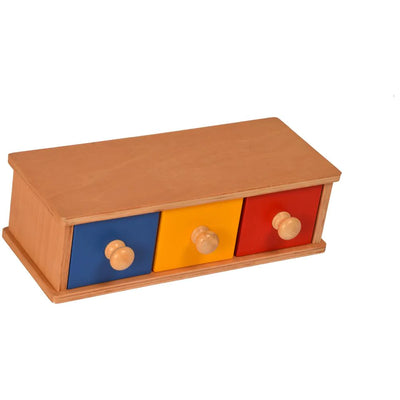
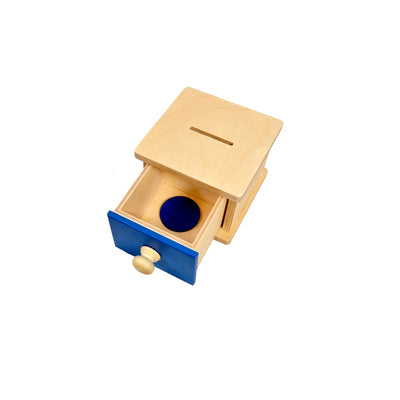
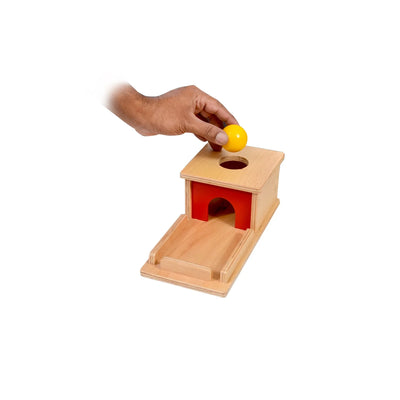
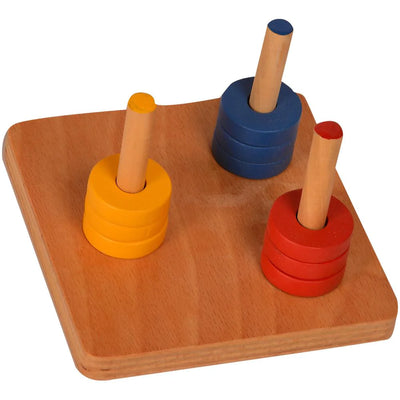
Selecting appropriate wooden puzzles for kids is key to maximizing their developmental benefits. For younger children, knobbed puzzles or simple shape sorters are ideal, focusing on basic hand-eye coordination and shape recognition. As they grow, progress to multi-layered puzzles or simple jigsaw puzzles with larger pieces. Montessori puzzles, like geometric shape sorters or continent puzzles, are specifically designed to isolate concepts and encourage independent exploration.
Consider the child's current skill level and interests. A challenging but not overwhelming puzzle will keep them engaged and foster a love for problem-solving. Explore our wide range of carefully curated Montessori learning materials and stimulating activity kits that include various types of puzzles perfect for every age and stage of development.
Montessori Principles and Emotional Development
Maria Montessori's philosophy deeply underpins the design of wooden puzzles, making them invaluable for emotional intelligence. The emphasis on a "prepared environment" and materials that offer "self-correction" allows children to learn at their own pace, fostering independence and confidence. When a child solves a puzzle, the success is entirely their own, boosting self-esteem and intrinsic motivation. This aligns perfectly with the goal of fostering emotional literacy – giving children the tools to understand and manage their own successes and failures gracefully. The methodical nature of engaging with these materials, much like the famous Pink Tower or Sandpaper Letters, cultivates a deep sense of order and concentration, which are critical for emotional regulation.
As Indian parents strive to raise resilient, well-adjusted children in an increasingly complex world, investing in tools that nurture emotional intelligence is a wise choice. Wooden puzzles for kids are more than just timeless toys; they are foundational instruments for cultivating patience, enhancing focus, and building frustration tolerance. By integrating these simple yet profound tools into your child's play, you're not just offering entertainment; you're equipping them with invaluable life skills that will serve them well, from the classroom to the boardroom and beyond.
- Wooden puzzles for kids significantly enhance patience by requiring sustained effort and sequential problem-solving.
- Focused engagement with puzzles strengthens a child's attention span, crucial for combating digital distractions.
- Puzzles offer a safe space for children to experience and overcome frustration, building vital emotional regulation skills.
- Montessori puzzles, based on self-correction, empower children with independence and boost self-esteem.
- Selecting age-appropriate wooden puzzles ensures optimal engagement and skill development for Indian children.
- Research shows that tactile play with puzzles supports holistic child development beyond academic scores.
What age are wooden puzzles best for developing emotional skills?
Wooden puzzles are beneficial for emotional skill development from as early as 18 months, starting with simple knobbed puzzles, and continue to be valuable through preschool and early school years (3-6+ years) with more complex designs. The key is age-appropriate selection.
How do wooden puzzles help with patience in Indian children?
Wooden puzzles foster patience by requiring children to methodically try pieces, observe, and persist through trial and error to achieve a solution. This direct experience teaches them to delay gratification and understand that effort leads to success, a valuable lesson in a fast-paced Indian society.
Can puzzles truly improve a child's focus?
Yes, puzzles significantly improve a child's focus by demanding sustained attention and concentration on a single task, thereby reducing distractions. This active engagement strengthens neural pathways associated with attention span, a skill highly valued in academic and social settings.
Are Montessori puzzles better for emotional intelligence than regular puzzles?
Montessori puzzles are often designed with specific learning outcomes in mind, featuring self-correcting mechanisms that subtly guide the child, which can be highly effective for building independence and resilience. While all puzzles offer benefits, Montessori designs specifically cater to intrinsic motivation and focused learning, enhancing emotional intelligence.
How can parents encourage managing frustration kids with puzzles?
Parents can encourage managing frustration by providing a quiet, supportive environment, offering gentle encouragement without solving the puzzle for them, and celebrating the effort rather than just the outcome. Acknowledging their feelings ("It's okay to feel frustrated") and guiding them to take a break or try a different piece helps build coping mechanisms.