Affordable Homeschooling India: Smart Budget Strategies
For many Indian families, the question isn't just 'Should we homeschool?', but 'Can we afford it?'. Yes, affordable homeschooling India is entirely within reach for dedicated parents. Research shows that a well-planned home-based education can significantly reduce financial burdens compared to traditional schooling, offering quality learning experiences without compromising the budget.
The recent discussions, like Moneycontrol.com's focus on homeschooling as a 'smarter, cheaper alternative', highlight a growing need for practical, budget-friendly strategies. This guide empowers Indian parents, from Bengaluru to Bhopal, to create a rich learning environment that aligns with family values and financial realities, much like the independence fostered by Montessori principles.
What is Affordable Homeschooling?
Affordable homeschooling involves providing a quality education at home while minimizing expenses through smart resource management and strategic choices. This matters because it democratizes access to personalized learning, removing financial barriers for many families. Indian parents can achieve this by embracing creativity, community, and focusing on foundational learning.
Smart Strategies for Cost-Effective Homeschooling India
Building a successful homeschooling journey doesn't require a hefty bank account; it demands ingenuity and resourcefulness. Many Indian parents are discovering that a thoughtful approach to their homeschooling budget India can lead to more impactful learning experiences. Child development experts agree that engaged learning environments, regardless of cost, are crucial for a child's growth.
Leveraging Free Homeschooling Resources India
A cornerstone of cost-effective homeschooling India is the smart utilization of readily available free resources. India offers a wealth of options, from public libraries brimming with books to government educational portals. Many online platforms provide free courses, worksheets, and interactive lessons that can supplement learning effectively.
For instance, parents seeking 'hindi alphabets learning at home' or 'malayalam alphabets resources for kids' can find numerous free apps, YouTube channels, and printable charts. Grandparents, with their vast knowledge and storytelling traditions, are also invaluable, free educators who can pass on cultural wisdom and language skills, fostering a strong sense of identity.
DIY Learning Materials for Homeschooling
Embracing the do-it-yourself (DIY) philosophy is incredibly empowering and economical. Maria Montessori herself advocated for practical, hands-on learning, often utilizing simple, everyday items. You can transform household objects into engaging educational tools, from using dried beans for counting to crafting science experiments with kitchen ingredients.
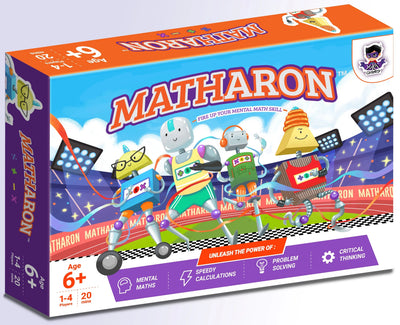
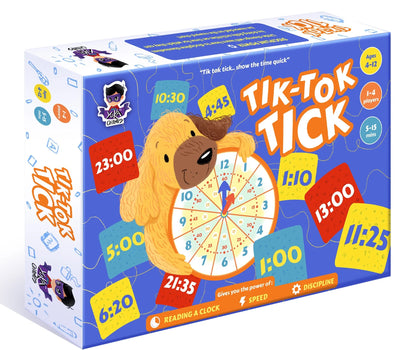
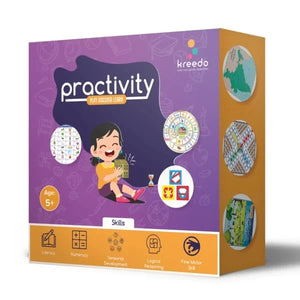
Creating 'DIY learning materials for homeschooling' not only saves money but also involves children in the learning process, making it more meaningful. For example, simple cardboard cutouts can become shape sorters for toddlers (18-24 months), and homemade playdough can be used to practice letter formation. While ready-made activity kits offer convenience, the joy of creating together is immense.
Community-Based Learning & Skill Sharing
Connecting with other homeschooling families forms a powerful support network and resource hub. Homeschooling co-ops, where parents take turns teaching different subjects or organizing field trips, can significantly reduce individual workloads and costs. Skill-sharing among parents – perhaps one parent teaches music while another leads science experiments – creates a rich, diverse curriculum.
Beyond formal groups, utilizing local community spaces like parks, museums, and even the local market offers experiential learning opportunities. Indian festivals provide a natural backdrop for cultural lessons, history, and even math through counting offerings or budgeting for decorations. This collaborative approach enhances the 'homeschooling budget India' strategy.
Investing Wisely in Essential Montessori Materials
While the focus is on affordability, strategic investment in durable, multi-purpose learning materials is wise. Research indicates that high-quality, open-ended educational toys offer long-term value. Instead of accumulating many cheap items, consider foundational Montessori materials that encourage self-directed learning and skill development.
For younger children, investing in a few key items like the Pink Tower or Sandpaper Letters provides a robust foundation for sensory and language development. These materials are designed for repeat use and grow with the child, making them a cost-effective choice in the long run. SkilloToys offers a range of these foundational items, built to last and support deep learning.
Budgeting for Experiences Over Expensive Curricula
True learning often happens outside textbooks. Prioritize experiences that are enriching and often free or low-cost. Visiting a local farm, volunteering at an animal shelter, or even just cooking traditional Indian meals together provides invaluable lessons in science, math, culture, and practical life skills. These activities offer a holistic approach to education.
Studies indicate that experiential learning improves retention and critical thinking skills. Instead of a costly, rigid curriculum, allocate funds for educational outings, library memberships, or art supplies. This approach supports a truly 'cost-effective homeschooling India' model, emphasizing real-world application and personal growth.
- Affordable homeschooling in India is a highly achievable and beneficial educational pathway for many families.
- Leveraging free online and community resources significantly reduces educational expenses.
- Creating DIY learning materials from household items promotes creativity and practical skills.
- Community networks, co-ops, and skill-sharing among parents enhance learning opportunities while minimizing costs.
- Strategic investment in durable, foundational Montessori materials provides long-term educational value.
- Prioritizing real-world experiences and outings over expensive curricula offers richer, more memorable learning.
Is homeschooling legal in India?
Yes, homeschooling is legal in India and recognized as a valid educational choice for parents. While there's no specific law, parents can opt for various boards like NIOS or international curricula to certify their child's learning.
What are the biggest cost savings in homeschooling?
The biggest cost savings in homeschooling often come from eliminating school fees, transportation, and uniforms. Additionally, leveraging free online resources, library books, and creating DIY learning materials significantly reduces expenses.
Can I use household items for Montessori-inspired learning?
Absolutely, many Montessori principles can be applied with everyday household items. Practical life activities like pouring water, sweeping, and sorting pulses are excellent, cost-effective ways to foster concentration and fine motor skills.
Where can I find free resources for learning Hindi alphabets?
Free resources for learning Hindi alphabets are abundant online through YouTube channels, government education portals, and educational apps. Local libraries in India also often have children's books and charts that can be borrowed.
How can I connect with other homeschooling families in India?
Connecting with other homeschooling families in India can be done through online forums, social media groups, and local community meetups. These networks offer valuable support, resource sharing, and opportunities for group learning activities.