Homeschooling Daily Life India: Montessori Out of Classrooms
Integrating Montessori learning into homeschooling daily life India means intentionally weaving educational principles into everyday routines, fostering independence and practical skills within the familiar environment of home and community. As news headlines repeatedly highlight the 'rise of homeschooling' and parents choosing to be 'out of classrooms,' Indian families are seeking practical guides to make this transition meaningful.
Montessori education, at its core, is about observing the child and preparing an environment that supports their natural development. This matters profoundly because it allows children to learn at their own pace and develop a deep love for learning through hands-on experiences. Indian parents can empower their children by viewing their homes and communities as dynamic classrooms, rich with opportunities for exploration and growth.
The Indian Home: A Natural Montessori Classroom
The bustling Indian household, often a vibrant hub of activity with joint families and multiple generations, offers a unique and authentic setting for a Montessori education. Far from needing a sterile, dedicated classroom, the everyday life within an Indian home is naturally equipped with elements crucial for a child's holistic development. Research shows that children who participate in practical life activities develop stronger concentration, fine motor skills, and a sense of responsibility, skills directly fostered by meaningful engagement in household tasks.
Practical Life Activities in the Indian Kitchen
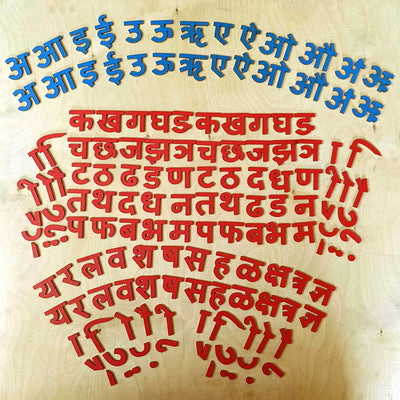
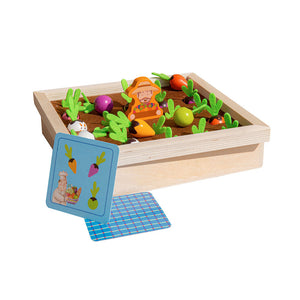
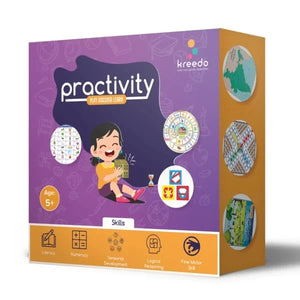
The kitchen, often the heart of an Indian home, is a treasure trove of Montessori practical life activities India. Involving your child here builds essential skills and a sense of contribution. A three-year-old in a Bengaluru home can learn precision by carefully sorting dal, developing fine motor skills and concentration. They can wash rice before cooking, feeling the texture and observing the transformation of water. Older children can use a blunt knife to help cut soft vegetables for a curry, or grind spices using a small mortar and pestle, engaging their senses of smell and touch. Such tasks are not just chores; they are foundational lessons in preparation, order, and self-sufficiency. Explore our activity kits that encourage similar hands-on sorting and matching skills.
Chores and Responsibilities: Learning Through Contribution
Everyday educational activities India naturally emerge from shared household responsibilities. A small child can learn to sweep with a child-sized broom, helping to keep the living room clean after playtime. Watering indoor plants teaches care for living things and introduces early concepts of nature. Folding clothes, arranging puja items, or helping to set the dining table for the family meal fosters independence and a sense of belonging. The continuous observation and imitation of elders in a joint family setup provide an organic learning model, far removed from rote instruction.
Beyond Four Walls: Learning Outside Classroom Homeschooling India
True Montessori learning extends far beyond the four walls of any room, embracing the broader community as an invaluable learning environment. Child development experts agree that intergenerational learning, where children interact meaningfully with elders, significantly boosts emotional intelligence and cultural understanding. In India, this is especially profound with the rich tapestry of local markets, community festivals, and family gatherings.
Engaging Grandparents and Elders in Learning
Grandparents and elders are living encyclopedias of culture, language, and tradition. Encourage your child to spend time with their Dadi or Nani. They can learn regional languages through storytelling, traditional recipes by helping in the kitchen, or cultural values through tales of folklore and family history. An Ahmedabad grandmother teaching her grandchild to make small clay lamps for Diwali is not just passing on a tradition; she's fostering fine motor skills, cultural appreciation, and an understanding of community.
Community Explorations: Markets, Temples, and Neighbourhoods
A visit to the local vegetable market (sabzi mandi) offers a vibrant lesson in mathematics (counting produce, calculating change), botany (identifying different vegetables), and social interaction (communicating with vendors). A trip to a temple or a local craft fair exposes children to art, architecture, and spiritual practices. These experiences provide tangible, real-world context for concepts that might otherwise feel abstract in a textbook.
Weaving Academics into Daily Rhythms: Integrating Learning into Daily Routines India
Academic learning in a Montessori homeschooling environment isn't separate from daily life; it's intricately woven into it. This approach ensures that subjects like mathematics, language, and science are not just studied but lived and understood through direct experience.
Math and Language in Action
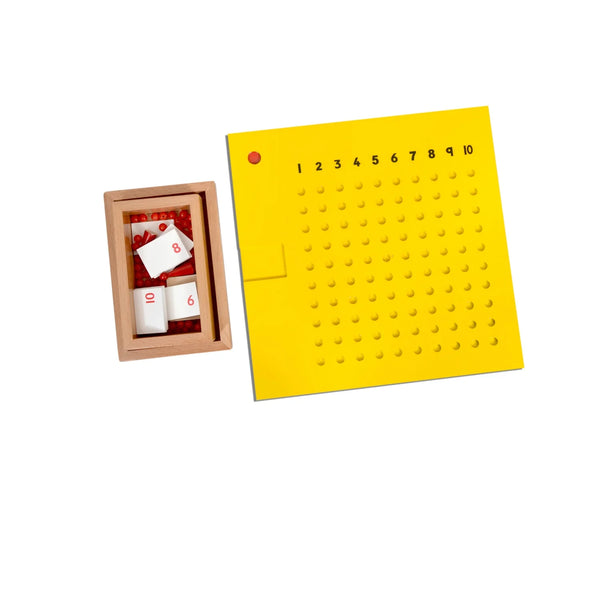
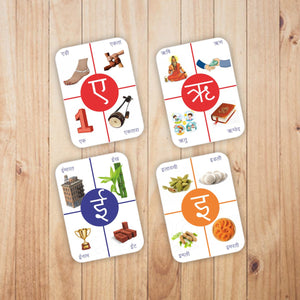
Counting the number of family members for whom dinner needs to be prepared, measuring ingredients for a new recipe, or calculating the cost of groceries are all real-world math lessons. Reading recipes, writing shopping lists, or narrating the day's events strengthens language skills. For instance, a five-year-old helping to sort laundry can learn about patterns, colours, and quantities. To support more focused academic development, consider incorporating authentic Montessori method learning materials that provide hands-on, self-correcting opportunities for math and language exploration.
Science and Nature Exploration
Observing a seed sprout in a small pot on the balcony, noting the changes in weather patterns during monsoon season, or understanding the life cycle of a butterfly found in the garden are all informal science lessons. The kitchen offers chemistry experiments with cooking and baking, while caring for pets teaches biology and responsibility. Maria Montessori famously stated, "The child is capable of developing and giving us physical, intellectual, and spiritual proofs of his own constructive ability," underscoring the importance of these practical, observable interactions.
Cultivating a Mindset: Observation and Preparation
The core of successful homeschooling daily life India with Montessori principles lies in the parent's mindset. It requires keen observation of your child's interests and developmental stage, followed by the thoughtful preparation of the environment. This doesn't mean buying expensive equipment; it means making existing resources accessible and inviting.
Set up small 'discovery corners' in your home: a basket with different textured fabrics, a tray with objects to sort by size or colour, or a small pitcher and glass for pouring practice. These simple setups, made with common household items, encourage independent exploration and foster concentration. Trust in your child's innate drive to learn and provide them with the freedom within limits to engage with their world meaningfully.
Embracing an 'out of classrooms' approach means seeing every moment as an opportunity for growth. Tonight, during dinner, challenge your child to describe each dish using two new words. Or tomorrow morning, invite them to help you fold the bedsheets, showing them the precision required. By integrating Montessori principles into the vibrant, everyday rhythm of Indian life, you're not just homeschooling; you're cultivating curious, capable, and confident individuals ready to engage with their world.