Homeschooling Curriculum India: Play-Based Guide for Families
Designing an effective homeschooling curriculum in India doesn't have to mirror the rote learning of traditional schools. Instead, imagine a vibrant, child-led approach where learning blossoms naturally through play, fostering genuine curiosity and deep understanding. Recent news confirms that game-based learning is gaining traction even in classrooms, and child development experts consistently highlight that play is foundational for learning and life.
What is Play-Based Homeschooling in India? Play-based homeschooling for Indian families is an educational philosophy where a child's natural curiosity and interests drive their learning journey through hands-on exploration and imaginative activities. This matters because it cultivates critical thinking, problem-solving, and creativity more effectively than rigid academic structures. Indian parents can adapt this approach by integrating cultural elements and daily family life into their child's learning experiences.
Why Choose Play-Based Homeschooling in India?
For many Indian parents, the idea of stepping away from conventional schooling can feel daunting, especially with the prevailing academic pressure. However, research consistently demonstrates that play is not just fun; it's a vital engine for cognitive, social, and emotional development. The National Council of Educational Research and Training (NCERT) emphasizes activity-based learning in its frameworks, aligning perfectly with the principles of play.
Choosing a play-based homeschool curriculum India empowers children to become active participants in their education. It allows for a learning pace that respects individual development, a stark contrast to one-size-fits-all classrooms. Studies from institutions like the Harvard Center on the Developing Child highlight that early experiences, especially play, build robust brain architecture, crucial for future learning and well-being. This approach fosters a love for learning, rather than associating it with stress or competition, a welcome shift for many families.
Embracing Natural Curiosity: The Montessori Homeschooling India Connection
At the heart of play-based learning, particularly for younger children, are the principles pioneered by Dr. Maria Montessori. Her philosophy champions self-directed activity, hands-on learning, and collaborative play within a carefully prepared environment. For parents exploring Montessori homeschooling India, this means observing your child's interests and providing materials that encourage independent exploration and discovery.
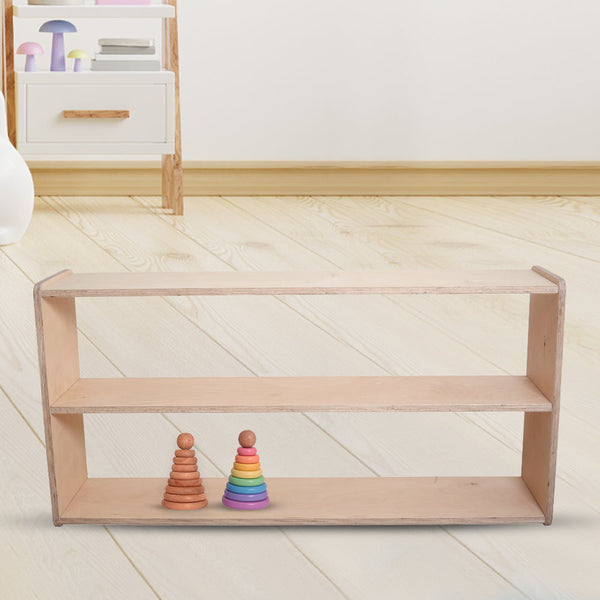
A 3-year-old in a Bangalore joint family might be drawn to stacking wooden blocks, refining their fine motor skills and understanding of balance. Another child, fascinated by the kitchen, might learn early math concepts by sorting lentils or measuring ingredients for a traditional roti. Montessori materials, with their inherent self-correction, empower children to learn from their mistakes gracefully. Explore our wide range of Montessori learning materials that bring these principles to life in your home.
Designing Your Homeschool Curriculum: Practical Steps for Indian Families
Creating a bespoke play-based homeschooling India curriculum involves weaving together your child's interests, developmental stages, and the rich tapestry of Indian life. Start by observing your child: what captures their attention? Is it stories of festivals, the intricate patterns of a rangoli, or helping Dadi in the garden? These are your starting points.
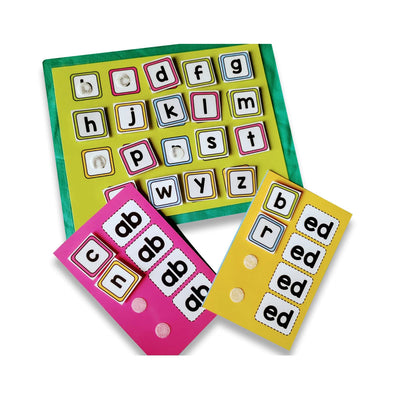
1. Identify Core Learning Areas: While play is paramount, you can still ensure coverage of subjects like language (English and mother tongue), math, science, and social studies. Think of these not as separate subjects, but as lenses through which play unfolds. Learning the alphabet through creating letters with clay, or exploring botany by planting seeds in your balcony garden.
2. Integrate Indian Culture and Daily Life: This is where your curriculum truly shines. Festivals like Diwali or Holi become opportunities for elaborate craft projects, storytelling, and learning about traditions. Visiting a local market teaches about commerce, fractions (buying half a kilo), and different vegetables. Family conversations about current events or ancestral stories become lessons in history and social awareness.
3. Prioritize Hands-On Exploration: Children, especially those in the 18-24 month age band, learn best by doing. Provide plenty of opportunities for sensory play – playing with sand and water, mixing colours, or experimenting with different textures. These foundational experiences build crucial neural pathways.
Everyday Play-Based Learning Activities for Homeschool
The beauty of play-based learning is that it's embedded in the everyday. You don't need a dedicated classroom; your home, with all its nooks and crannies, becomes a learning laboratory. Here are some simple, yet profound, play-based learning activities for homeschool in an Indian setting:
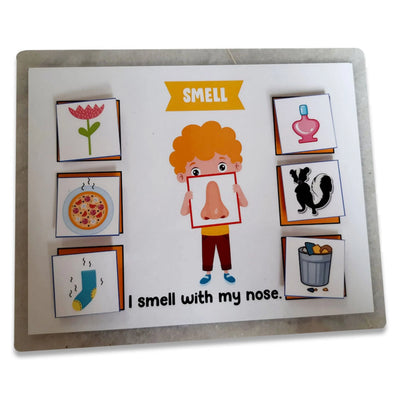
- Kitchen Adventures: Cooking with your child teaches math (measuring), science (transformations), and cultural understanding (traditional recipes). Let your child knead dough or mix spices, feeling the textures and smelling the aromas.
- Garden Exploration: Even a small balcony garden offers lessons in botany, life cycles, and responsibility. Children delight in seeing seeds sprout and vegetables grow, connecting directly to nature.
- Storytelling & Role-Play: Narrate folk tales or stories about Indian heroes. Encourage your child to re-enact them using simple props. This boosts language skills, empathy, and creativity.
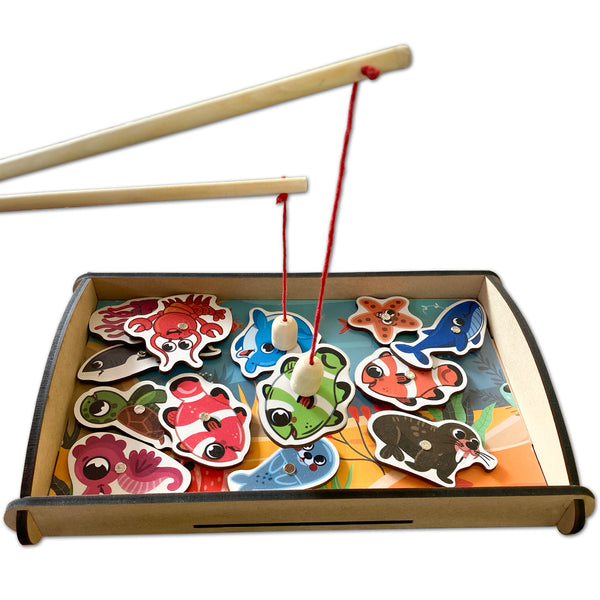
- Festival Crafts: Engage in making decorations for festivals, learning about their significance. Creating intricate rangolis with coloured powders or making Diwali diyas develops fine motor skills and cultural appreciation. Consider our activity kits for structured creative fun.
The habit Indian dadis have of massaging babies with warm oil isn't just tradition; it's providing proprioceptive input that Western therapists now use for infant self-regulation. Similarly, many seemingly mundane tasks in an Indian household are rich, play-based learning opportunities waiting to be embraced. Simply involving your child in everyday chores like folding clothes or setting the table offers practical life skills and boosts their sense of contribution.
Choosing Educational Toys for Homeschooling Success
The right tools can significantly enhance a play-based curriculum. When selecting educational toys for homeschooling, think open-ended and versatile. The goal is to stimulate imagination and problem-solving, not dictate play.
Wooden blocks, for instance, can become anything from a soaring skyscraper to a humble village hut, encouraging spatial reasoning and creativity. Puzzles of varying complexity challenge cognitive skills and hand-eye coordination. Simple art supplies like clay, paints, and recycled materials invite boundless expression. For focused learning that feels like play, consider our diverse range of puzzles and brain teasers.
Child development experts agree that toys which require the child to do the imagining—rather than toys that do all the work—are most beneficial for development. These are the toys that will foster the innovative and adaptable mindset crucial for children growing up in India's dynamic landscape.
Designing a play-based homeschooling curriculum in India offers a liberating path for both parents and children. By embracing the power of play, integrating cultural richness, and trusting your child's innate drive to learn, you can create an educational experience that is joyful, profound, and perfectly suited to their unique spirit. Tonight, during dinner, ask your 3-year-old to describe their favourite part of the day using two new words. It's a small step, but it's where the magic of play-based learning truly begins.