Telugu Letters with Pictures: A Montessori Homeschool Guide
For Indian homeschooling families, effectively teaching telugu letters with pictures is a common goal, yet finding engaging, culturally relevant methods can be challenging. A Montessori approach provides a powerful, child-centric framework for mastering the Telugu alphabet, transforming abstract symbols into tangible experiences that resonate deeply with young learners.
As homeschooling continues its significant rise across India, parents are increasingly looking for ways to preserve and teach regional languages amidst the pressure for English fluency. This guide offers practical, Montessori-inspired strategies and recommends specific educational toys to make Telugu letter learning joyful and impactful for your child.
What is Montessori Telugu Letter Learning?
Montessori Telugu letter learning is a multi-sensory, child-led approach where children learn the Telugu alphabet through tactile, visual, and auditory experiences. This matters because it moves beyond rote memorization, building a strong foundation for literacy by engaging a child's natural curiosity and developmental stages. Indian parents can implement this by providing carefully chosen materials that allow for hands-on exploration of the Telugu script.
Why Montessori for Telugu Letters? The Indian Context
The Montessori method, pioneered by Dr. Maria Montessori, aligns perfectly with the holistic development sought by many Indian homeschooling families. Child development experts agree that multisensory learning is crucial for early literacy, especially for complex scripts like Telugu. Instead of forcing children to sit and copy, Montessori encourages hands-on exploration, allowing a child to literally 'feel' the shape of each letter.
This approach is particularly relevant in India, where children are often exposed to multiple languages and rich oral traditions. Incorporating mother tongue learning through Montessori not only aids in literacy but also strengthens cultural identity, fostering a deeper connection to grandparents and family heritage. It bridges the gap between academic learning and lived cultural experience, a critical aspect of holistic Indian education.
Preparing the Environment: Essential Telugu Learning Toys
Creating a 'prepared environment' is fundamental to Montessori, offering children the tools they need for self-directed learning. For Montessori Telugu learning, this means having readily available, inviting materials. Studies indicate that tactile engagement significantly enhances memory and understanding in early childhood literacy.
The Sensory Approach: Sandpaper Telugu Letters
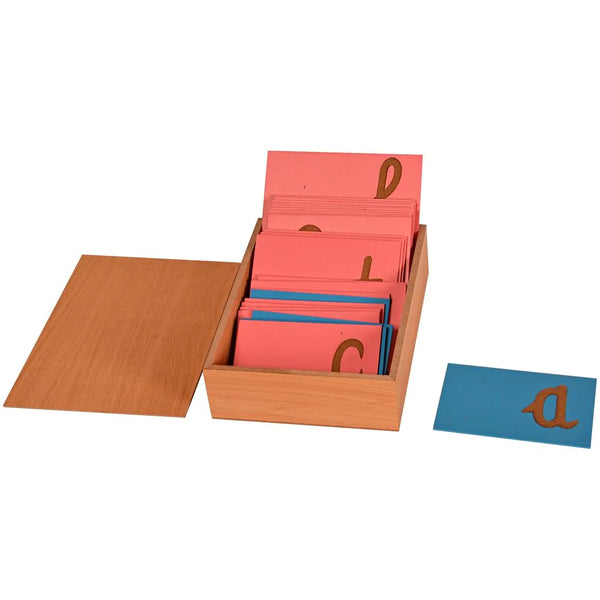
Sandpaper letters are iconic Montessori materials that are incredibly effective for teaching telugu alphabet for kids. Each letter, rough to the touch, is mounted on a smooth board, allowing a child to trace its form while hearing its sound. This three-part engagement—seeing, touching, and hearing—creates strong neural pathways for letter recognition and phonetics.
When introducing a letter like 'అ' (a), you trace it with your finger, saying its sound clearly. Then, the child traces it, repeating the sound. This concrete experience helps children internalize the unique curves and loops of the Telugu script, which can be challenging to grasp abstractly. It's a foundational step that makes reading and writing Telugu feel natural.
Building Vocabulary and Recognition: Telugu Flashcards for Kids
While traditional flashcards can be used for rote learning, Montessori uses telugu flashcards for kids for purposeful reinforcement. Once a child is familiar with individual letter sounds from sandpaper letters, flashcards with corresponding pictures of familiar objects (like 'ఆవు' for cow, or 'ఇల్లు' for house) help build vocabulary and connect the letter sound to a real-world context. This deepens understanding and makes learning more meaningful.
You can use them for matching games, sorting activities, or even creating simple 'word walls' in your child's learning space. The visual cue of pictures alongside the letters reinforces recognition without pressure, aligning with the child's natural developmental pace.
Hands-On Formation: Wooden Telugu Letters and Movable Alphabets
For children ready to move beyond tracing, wooden telugu letters or a Telugu movable alphabet are invaluable. These allow children to physically construct words, understanding that letters combine to form meaning. This is a critical step in developing early writing skills, enabling children to 'write' words before their fine motor skills are ready for pen and paper.
Imagine your child proudly arranging wooden letters to spell 'అమ్మ' (Amma) or 'నాన్న' (Nanna). This self-correction and experimentation with letter combinations empower them and solidify their grasp of the Telugu script. Look for well-crafted wooden sets that are durable and easy for small hands to manipulate.
Step-by-Step: Teaching Telugu Alphabet for Kids the Montessori Way
The Montessori Three-Period Lesson is a powerful tool for introducing new concepts, including the telugu alphabet for kids. It's designed to be gentle, repetitive, and effective.
- Period 1: Naming (Introduction): Hold up a Telugu sandpaper letter, like 'క'. Trace it with your finger and say, "This is 'క' (ka)." Repeat this for 2-3 letters at a time, ensuring distinct sounds.
- Period 2: Recognition (Association): Lay out the 2-3 letters. Say, "Show me 'క'." Or, "Point to 'త'." If your child struggles, gently guide their hand to the correct letter. This is where observation is key; avoid correction, just repeat the prompt.
- Period 3: Recall (Confirmation): Point to a letter and ask, "What is this?" This period confirms their understanding. If they answer correctly, celebrate! If not, simply revert to Period 1 and repeat the process another day. The absence of pressure is paramount.
Beyond Letters: Integrating Telugu into Daily Homeschool Life
Teaching regional languages homeschooling India goes beyond formal lessons; it's about embedding the language into the fabric of daily life. Research shows that consistent exposure and real-world application significantly boost language acquisition and retention. This is where the rich tapestry of Indian family life becomes a powerful learning tool.
- Storytelling Sessions: Read Telugu children's books aloud. Grandparents, with their wealth of traditional stories, can become invaluable partners in these sessions, enriching the child's vocabulary and cultural understanding.
- Kitchen Conversations: During meal prep, name ingredients and actions in Telugu. "తీయండి" (take), "పప్పు" (dal), "కూర్చుని" (sit). The sensory experience of food preparation naturally reinforces new words.
- Festival Celebrations: Incorporate Telugu phrases and songs during festivals like Ugadi or Sankranti. Explain the significance of traditions in Telugu. This makes the language a living, breathing part of their cultural heritage.
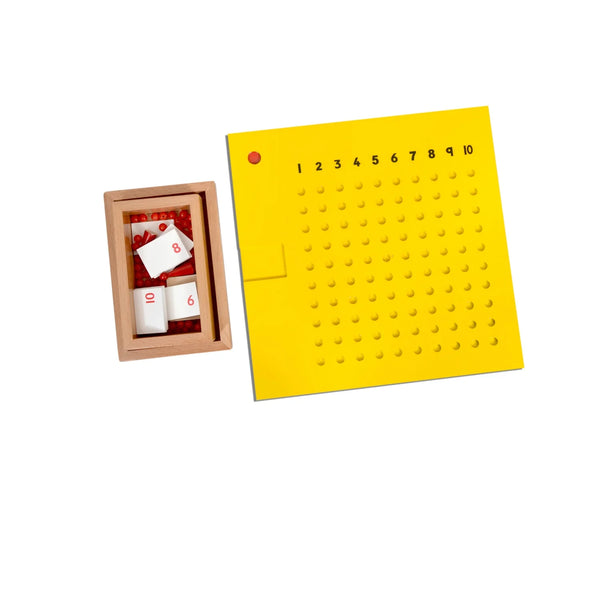
- Montessori-Inspired Activity Kits: Many educational activity kits can be adapted for Telugu learning. For example, sorting beads by initial Telugu letter sound, or creating simple Telugu word puzzles.
The journey of mastering Telugu letters with pictures through a Montessori lens isn't just about academic achievement; it's about nurturing a profound connection to culture and identity. By embracing hands-on learning with quality educational toys and weaving the language into everyday moments, you're not just teaching letters – you're building a bilingual, culturally rooted individual, ready to thrive in modern India while cherishing their roots. This holistic approach empowers children, especially within the unique and supportive environment of an Indian homeschooling setup, to confidently engage with their mother tongue.