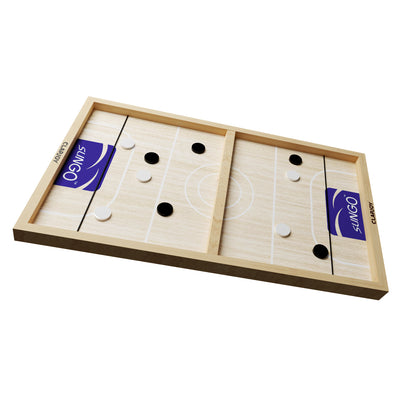
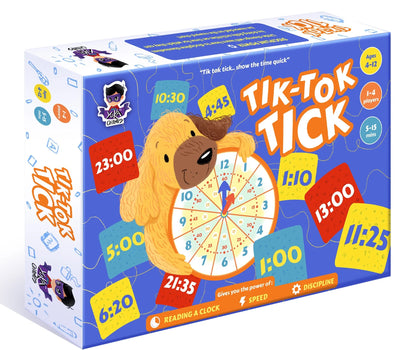
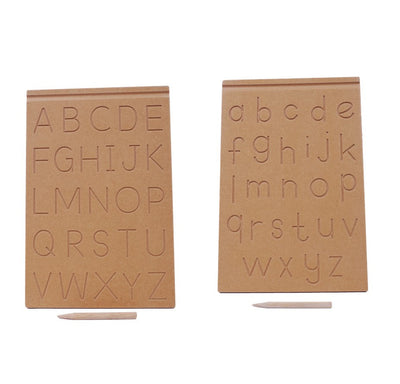
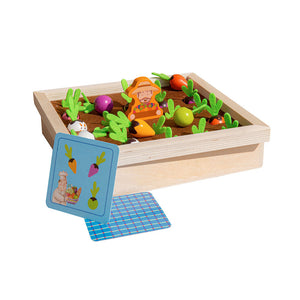
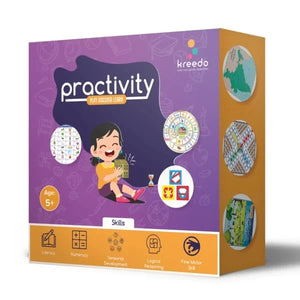
Board Games for Kids: Fun Learning in Your Indian Homeschool
Integrating board games for kids into your Indian homeschool curriculum is a highly effective method to enhance cognitive, social, and emotional development across all age groups. Research shows that structured play with educational board games significantly boosts problem-solving abilities and strengthens family bonds, making learning both impactful and enjoyable for children in India.
As Indian families increasingly choose homeschooling, seeking alternatives to conventional schools, parents are looking for dynamic ways to engage their children. This shift, highlighted by recent reports in The Times of India and The New Indian Express, underscores the need for creative, home-based learning solutions that go beyond textbooks.
What are Educational Board Games in Homeschooling?
Educational board games are structured play activities designed to teach specific skills or concepts through interactive gameplay. This matters because they offer a hands-on, engaging alternative to traditional learning methods, fostering critical thinking and cooperation. Indian parents can leverage these games to create a dynamic and enriching learning environment right at home.
Why Board Games are Essential for Homeschooling in India
Child development experts agree that board games are more than just entertainment; they are powerful educational tools. For homeschooling families in India, they provide a unique platform to teach diverse skills without the pressure of a classroom setting. Studies indicate that children who regularly engage in board games demonstrate better working memory and processing speed.
Beyond academics, the benefits of board games for kids extend to crucial social and emotional development. Children learn to follow rules, take turns, cope with winning and losing gracefully, and engage in healthy competition or cooperation. These are vital life skills, particularly within the close-knit family structures common across India, from nuclear to joint families where multiple generations interact daily.
Furthermore, board games foster communication. Explaining strategies, negotiating, and simply conversing during gameplay strengthens verbal skills and active listening. This makes them an invaluable resource for activityKits that promotes holistic growth.
Choosing the Right Educational Board Games for Homeschooling
Selecting the appropriate educational board games for homeschooling requires considering your child's age, interests, and learning objectives. For younger children (ages 3-6), games focusing on color recognition, counting, and simple matching are ideal. As they grow (ages 7-12), introduce strategy games, word-building games, and math-focused challenges.
For teenagers, complex strategy games, role-playing games, or even historically themed board games can deepen critical thinking and engage them in subjects like history or economics. Always look for games that are age-appropriate but also offer a slight challenge to encourage growth and prevent boredom.
Montessori Principles in Board Game Play
Maria Montessori emphasized hands-on learning, self-correction, and developing concentration through purposeful activities. Many Montessori board games or games that align with these principles empower children to learn independently. Look for games with clear objectives, concrete materials, and mechanisms that allow children to understand their mistakes and self-correct, much like working with a Pink Tower or Sandpaper Letters.
For instance, games requiring sequential thought, pattern recognition, or classification directly support cognitive development in a Montessori-aligned way. They provide a 'prepared environment' for learning, where the child is free to explore and discover at their own pace, fostering deep engagement and sustained focus.
Integrating Family Board Games into Your Daily Schedule
Incorporating family board games India into your homeschooling routine doesn't have to be a rigid task. Dedicate specific 'game time' slots a few times a week, perhaps after academic work or during evening family time. This creates anticipation and makes it a cherished part of the day, a wonderful alternative to screen time.
Consider making board games a part of weekend family rituals, perhaps involving grandparents or other family members, reinforcing intergenerational bonding. This shared experience creates lasting memories and strengthens family ties, which is a cornerstone of Indian cultural values. During festivals or holidays, board games can also serve as a relaxing and engaging communal activity.
Beyond the Board: Life Skills and Social Development
The lessons learned through board games extend far beyond the tabletop. Children develop patience, perseverance, and the ability to adapt to changing circumstances. These are invaluable life skills that prepare them for challenges in the real world, whether navigating school projects or future careers.
The collaborative nature of many modern board games also teaches teamwork and compromise, essential skills for future leaders and team players. These experiences build confidence and foster a sense of belonging, contributing to a child's overall well-being and readiness for society.
- Integrating board games significantly boosts cognitive, social, and emotional development in homeschooled children.
- Educational board games provide a hands-on, engaging alternative to traditional learning, aligning with the rise of homeschooling in India.
- Maria Montessori's principles of self-correction and concentration are well-supported by many types of board games.
- Family board games strengthen intergenerational bonds and offer valuable social-emotional learning opportunities for Indian families.
- Regular engagement with board games improves working memory, processing speed, and crucial life skills like problem-solving and perseverance.
- Children as young as 2-3 years old can begin playing simple board games, gradually progressing to more complex strategies.
Frequently Asked Questions About Board Games in Homeschooling
Are board games truly educational for homeschooling?
Yes, board games are highly educational. They inherently teach critical thinking, problem-solving, strategic planning, and social skills like turn-taking and negotiation, making them a valuable tool in any homeschooling curriculum.
How do board games fit with Montessori principles?
Board games align well with Montessori principles by offering self-correcting activities, promoting concentration, and encouraging hands-on learning through play. Many games foster logical reasoning and practical life skills, mirroring the independent learning approach of Montessori education.
What are good board games for a joint Indian family?
For joint Indian families, look for games that accommodate multiple players and encourage intergenerational interaction, such as Carrom, Chess, Ludo, or modern cooperative games. These foster bonding and can be enjoyed by grandparents, parents, and children together, promoting a sense of community.
At what age can children start playing board games?
Children can start engaging with simple board games as early as 2-3 years old, focusing on matching, colors, and basic turn-taking. As they grow, they can progress to more complex games that involve strategy and reading, continually developing new skills.
How often should we play board games in a homeschool setting?
Integrating board games 2-3 times a week can be highly beneficial, allowing for consistent skill development without oversaturation. The frequency should be flexible, adapting to your family's schedule and the child's interest to keep the experience enjoyable and impactful.