Homeschooling Curriculum India: Building Your Montessori Path
Choosing and building an effective homeschooling curriculum India involves harmoniously blending your child's individual developmental needs with a philosophical approach like Montessori, all while respecting the rich tapestry of Indian life. For Indian families increasingly exploring alternatives to traditional schooling, especially given the rising trend highlighted by reports from The Times of India, designing a tailored learning path is crucial. This guide empowers parents to craft a Montessori-inspired curriculum that fosters genuine learning and independence within the unique Indian home environment.
A Montessori homeschool curriculum is a child-centred educational framework where children learn at their own pace within a prepared environment, guided by hands-on materials. This matters because it cultivates independence, concentration, and a lifelong love for learning. Indian parents can adapt this method by creating engaging spaces and observing their child's natural curiosity to inform their learning journey.
Understanding Your Child: The Foundation of Montessori Homeschooling India
Maria Montessori observed that children pass through distinct 'sensitive periods' – windows of intense interest and ability for acquiring specific skills, like language or order. Recognizing these periods is foundational to building a responsive homeschooling curriculum in India, allowing you to introduce materials when your child is most receptive. For instance, a 2-year-old in Bengaluru might exhibit a strong drive for order, lining up toy cars perfectly or meticulously arranging their father's slippers. Instead of seeing this as repetitive play, a Montessori parent understands it as their child building cognitive frameworks. The American Academy of Pediatrics emphasizes the importance of understanding developmental stages to support optimal learning and well-being.
Observing your child closely, noticing their sustained interests, challenges, and 'work' preferences – whether they're fascinated by arranging pulses in the kitchen with Dadi or captivated by the texture of a new flower – provides invaluable data. This direct observation is more informative than any pre-set checklist, enabling you to truly personalize their learning journey. It's about seeing the child, not just the curriculum.
Integrating Authentic Montessori Principles into Your Homeschool Curriculum Planning India
The heart of the Montessori method lies in fostering independence through a 'prepared environment.' In an Indian home, this doesn't always mean a separate classroom; it means intentionally organizing learning materials within your existing space. Think about a low shelf in the living room holding neatly arranged, age-appropriate Montessori learning materials, accessible to your child, encouraging self-selection and sustained engagement. This transforms the idea of a prepared environment from a physical room into pockets of focus, where children learn to concentrate amidst the vibrant life of a joint family.
Montessori education traditionally covers Practical Life, Sensorial, Language, Mathematics, and Culture. Practical Life activities, such as pouring water or sweeping, build concentration and fine motor skills. For a child in an Indian home, this could mean helping to make rotis, washing small vegetables, or setting the puja thali. These aren't chores; they are foundational 'work' that connects directly to daily life and builds competency.
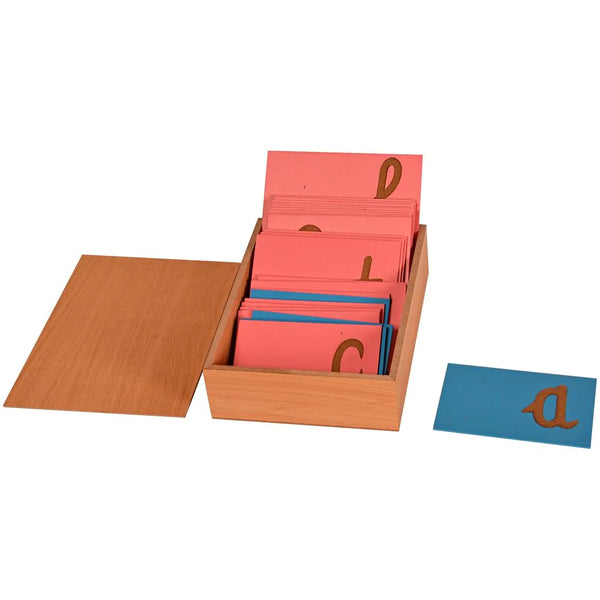
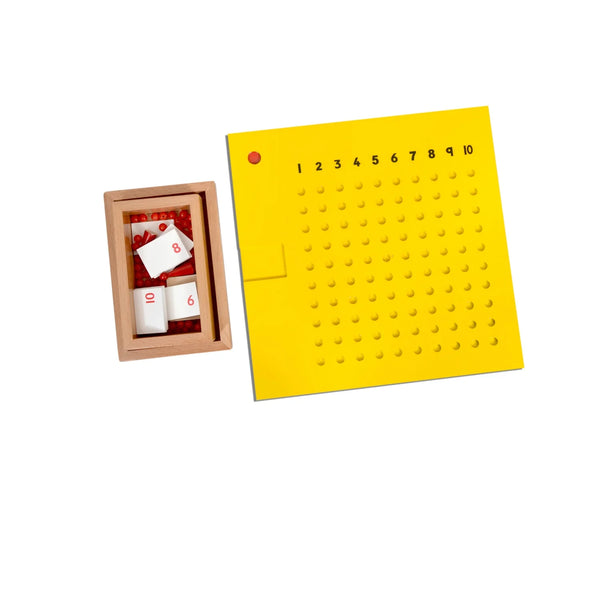
Sensorial materials, like the Pink Tower or Brown Stair, refine the senses and prepare the mind for abstract concepts. Language development progresses from oral language to reading and writing with materials like sandpaper letters. Mathematics uses concrete materials to introduce abstract concepts, making numbers tangible. Cultural studies can encompass geography, history, botany, and zoology, often integrating Indian narratives and traditions.
Embracing Local Culture and Values in Homeschool Subjects India
Research indicates that children thrive when their learning is culturally relevant. For an Indian homeschooling family, this means intentionally weaving in festivals like Diwali or Onam, exploring regional folk art, learning about Indian historical figures, or delving into the rich diversity of Indian languages. Rather than feeling like 'add-ons,' these become integral parts of the cultural curriculum, reinforcing identity.
Grandparents often play a significant role in Indian joint families, offering a wealth of traditional knowledge and stories. This intergenerational learning is a unique advantage for Indian homeschoolers, providing authentic cultural immersion. Imagine a child learning to count in their native tongue with Dadi, or understanding the life cycle of a plant by tending to a small tulsi patch with Nana.
Essential Indian Homeschooling Resources Curriculum and Navigating Expectations
While the Montessori philosophy provides a robust framework, Indian families often seek ways to align with broader educational expectations, particularly regarding potential future transitions. The NCERT (National Council of Educational Research and Training) curriculum can serve as a guide for academic benchmarks, helping you ensure comprehensive coverage of subjects like Science and Social Studies, which can then be explored through Montessori methods.
For example, instead of rote memorization of states and capitals, a Montessori approach to Indian geography might involve hands-on puzzle maps of India, exploring local cuisine from different regions, or crafting flags of various states. Studies by child development experts consistently show that hands-on, experiential learning leads to deeper understanding and retention than passive instruction.
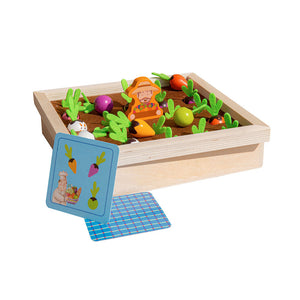
Accessing quality, locally-sourced activity kits and materials designed for the Indian context is crucial. SkilloToys offers a range of Montessori-aligned resources that support diverse learning areas, ensuring materials resonate with children in India. Consider the tactile satisfaction of sorting wooden beads or the focused attention required to complete a complex shape puzzle.
Designing Your Unique Homeschool Curriculum India: A Step-by-Step Approach
Start by defining your family's educational philosophy and long-term goals. Do you prioritize academic excellence, holistic development, or both? This clarity will guide your curriculum choices. Remember, flexibility is key; your curriculum is a living document, evolving with your child's growth and interests.
Once your philosophy is clear, outline broad learning objectives for different age groups, drawing inspiration from both Montessori principles and, if desired, NCERT guidelines. For a 4-year-old, this might include refining fine motor skills, recognizing numbers 1-10, and developing an understanding of courtesy and grace through practical life activities.
Select or create materials that align with these objectives. Montessori materials are designed to be self-correcting and beautiful, inviting exploration. Integrate outdoor time, visits to local markets, and family discussions into your daily rhythm. A structured daily rhythm, rather than a rigid schedule, allows for periods of concentrated work, creative play, and family time, honoring the natural flow of life in an Indian home.
Sustaining Your Montessori Homeschooling Journey with Community and Growth
Homeschooling, while rewarding, can sometimes feel isolating. Building a supportive community of fellow Indian homeschooling parents – whether online or through local meetups in cities like Chennai or Pune – provides invaluable encouragement, shared resources, and diverse perspectives. These networks often share insights on sourcing materials, curriculum adaptations, and managing challenges unique to the Indian context.
Embrace continuous learning as a parent. Read books on child development, attend workshops, and observe your child with an open mind. Maria Montessori herself emphasized the importance of the adult preparing themselves as much as the environment. This ongoing dedication ensures your montessori curriculum india remains dynamic, responsive, and deeply enriching for your child and your family. Tonight, consider observing your child during an activity and simply noting their focused engagement, allowing their natural curiosity to lead the way.