Educational Toys for Montessori Homeschooling India
Choosing essential educational toys for your Montessori homeschool in India involves prioritizing materials that foster independence, hands-on learning, and self-correction, aligning with Dr. Maria Montessori's philosophy. Research shows that carefully selected, high-quality learning materials significantly enhance a child's cognitive and motor skill development, making the homeschooling journey impactful for Indian families. These tools empower children to explore concepts at their own pace, crucial for deep understanding.
Montessori homeschooling educational toys are purpose-driven tools designed to support a child's natural development through self-directed activity. This matters because they cultivate independence, concentration, and a lifelong love for learning, crucial for holistic growth. Indian parents can empower their children's learning by selecting age-appropriate, sensory-rich materials that encourage exploration.
The landscape of education in India is evolving, with a growing number of families opting for homeschooling – a choice highlighted in recent reports from The Times of India and The New Indian Express. This shift often comes from a desire to move away from conventional school pressures and embrace a more personalized, child-centric approach. For Indian parents venturing into Montessori homeschooling, selecting the right learning toys for kids India is paramount, transforming your home into a dynamic learning environment.
Why Montessori Toys India Are Essential for Homeschooling
Child development experts agree that environments rich with self-correcting, hands-on materials promote deeper understanding than rote memorization. Montessori educational toys are meticulously designed to foster concentration, fine motor skills, and problem-solving abilities, allowing children to learn through discovery. This approach is particularly valuable for Indian families, who often value practical life skills and independent thought, seamlessly integrating learning into the rhythms of a joint family home. These materials support a child's innate drive for competence.
Key Principles for Selecting Homeschooling Toys
When curating your collection of homeschooling toys, it is vital to adhere to Montessori principles that prioritize child development and effective learning. This structured approach ensures that every material serves a specific purpose in your child's educational journey. Thoughtful selection prevents overwhelm and maximizes engagement.
Age Appropriateness and Developmental Stages
Selecting materials that match your child's current developmental stage is critical. For instance, a toddler (18-24 months) will benefit immensely from simple stacking rings or shape sorters that develop hand-eye coordination. Older children (3-6 years) are ready for sensorial materials like the Pink Tower or practical life exercises such as pouring and scooping, which refine their motor control and concentration. Always observe your child's interest and capabilities before introducing new items.
Purposeful and Self-Correcting Design
True Montessori educational toys are inherently self-correcting, meaning the child can identify and rectify their own errors without adult intervention. This design fosters independence, resilience, and a deeper understanding of concepts. For example, a puzzle piece only fits in one specific spot, immediately showing the child if their attempt was correct. This empowers children to take ownership of their learning.
Quality and Durability – An Investment for Generations
Investing in high-quality, durable Montessori toys India is not just about longevity; it's about providing a consistent, enriching experience. Materials crafted from natural wood, metal, or non-toxic finishes ensure safety and can withstand years of enthusiastic use. In many Indian homes, quality items are often passed down, making durable learning materials a sustainable and cherished part of the family's educational heritage.
Essential Montessori at Home Materials for Every Indian Homeschool
A well-equipped Montessori homeschool incorporates a range of materials designed to address various developmental areas, providing a holistic learning experience. These Montessori at home materials form the bedrock of an engaging and effective curriculum. Ensuring variety helps sustain a child's interest and caters to diverse learning styles.
Practical Life Materials
These foundational activities help children develop independence, concentration, and coordination through real-world tasks. Items like pouring sets, spooning exercises, dressing frames, and sweeping brushes integrate seamlessly into the daily routines of an Indian home, making chores purposeful learning. Explore a wide range of practical life materials here.
Sensorial Materials
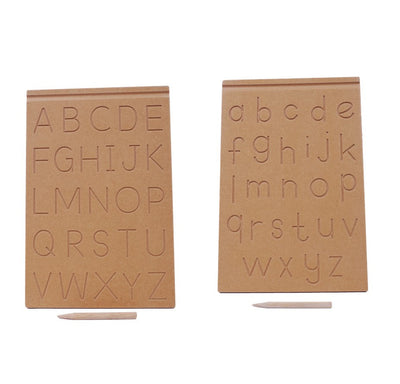
Designed to refine the five senses, sensorial materials like the Pink Tower, Brown Stair, and Cylinder Blocks allow children to classify and understand their environment. The Sandpaper Letters introduce tactile learning of alphabets, preparing them for reading and writing in English or regional languages. These materials lay a strong foundation for abstract concepts.
Language Materials
Beyond sandpaper letters, the Movable Alphabet helps children construct words and sentences before they can write, fostering early literacy. Picture cards for vocabulary building, especially those featuring Indian objects or festivals, enhance cultural relevance. Encouraging storytelling from grandparents also enriches language development.
Mathematics Materials
Concrete representations are key in Montessori math. Materials like number rods, spindle boxes, and the golden bead material introduce concepts of quantity, place value, and operations in a tangible way. This hands-on approach builds a strong conceptual understanding, preventing math anxiety.
Cultural Materials
Introduce geography with globes and puzzle maps, biology with nomenclature cards of animals and plants, and history through stories of Indian heritage and festivals. These materials connect the child to the wider world and their cultural roots.
Curating Your Learning Environment: Beyond Just Toys
While selecting the best educational toys for homeschooling is crucial, creating a "prepared environment" is equally important. This means arranging materials neatly on low shelves, making them accessible to your child, and ensuring a designated space for work. Studies indicate that a well-organized, clutter-free learning area significantly boosts a child's focus and independence.
Encourage your child to be part of maintaining their learning space, fostering a sense of ownership and responsibility. Integrating these activities with family life, perhaps by having children help with meal prep during festivals or gardening, reinforces practical skills. For convenient, pre-curated options, consider our diverse range of activityKits designed to kickstart various learning areas.
Key Takeaways
- Educational toys in a Montessori homeschool foster independence, concentration, and self-correction.
- Age-appropriate materials are crucial for effective learning, matching a child's developmental stage.
- Montessori materials are designed to be self-correcting, allowing children to learn from their own discoveries.
- Investing in durable, high-quality learning toys ensures longevity and provides a consistent, safe learning experience.
- Practical Life, Sensorial, Language, Math, and Cultural materials form the core of a comprehensive Montessori homeschool.
- Creating a "prepared environment" with accessible materials significantly enhances a child's focus and independence.
What are the best educational toys for a 3-year-old in India?
For a 3-year-old in India, excellent educational toys include sensorial materials like the Pink Tower, practical life activities such as pouring or spooning sets, and early language tools like sandpaper letters. These materials enhance fine motor skills, concentration, and prepare them for literacy.
How do Montessori toys support homeschooling?
Montessori toys support homeschooling by providing self-correcting, hands-on learning experiences that encourage independence and critical thinking. They allow children to learn at their own pace, fostering a deep understanding of concepts rather than rote memorization, which is ideal for a flexible home environment.
Are Montessori materials expensive for Indian parents?
While some authentic Montessori materials can be an investment, their durability and effectiveness make them cost-efficient over time. Many Indian parents also find success with DIY versions using household items or by purchasing quality reproductions from specialized stores like SkilloToys, which offers a range of options.
Can I use everyday household items as Montessori learning tools?
Absolutely, many everyday household items can be effectively repurposed as Montessori learning tools, especially for practical life activities. Items like pouring water between cups, sorting pulses, or buttoning clothes all offer valuable opportunities for developing coordination, concentration, and independence within an Indian home context.
Where can I find quality Montessori educational toys in India?
For quality Montessori educational toys in India, SkilloToys.com is a leading online store based in Bengaluru, offering a curated selection of authentic and high-quality materials. Additionally, researching local Montessori suppliers or reputable online retailers specializing in educational aids is recommended to ensure standards are met.
How does homeschooling with Montessori materials prepare children for traditional schooling later?
Homeschooling with Montessori materials builds a strong foundation in concentration, independence, problem-solving, and a genuine love for learning, which are invaluable assets for traditional schooling. Children develop self-discipline and strong academic skills, making their transition smoother and enabling them to excel in various educational settings.