Educational Toys: Integrating into Your Indian Homeschool
Effectively integrating educational toys into an Indian homeschool curriculum is fundamental for fostering engaged, hands-on learning experiences, making abstract concepts tangible for children. Research consistently shows that tactile and interactive materials significantly enhance cognitive development and retention in young learners. This practical approach transforms daily lessons into joyful explorations, moving beyond rote memorization.
The rise of homeschooling in India, as highlighted by reports from The Times of India and Thecore.in, signifies a growing desire among parents for personalized, flexible learning journeys. These families often seek alternatives to conventional school pressure, focusing on holistic development. Integrating educational toys is a core strategy for achieving this, providing a rich, stimulating environment right in your Bengaluru home.
What are Educational Toys for Homeschooling?
Educational toys are carefully designed tools that support a child's developmental milestones and learning objectives through guided and self-directed play. This matters because they provide sensory experiences, problem-solving opportunities, and cultivate critical thinking skills far beyond traditional textbooks. Indian parents can leverage these resources to build a robust, child-centric learning environment right at home.
These specialized materials, often inspired by principles from pioneers like Maria Montessori, are not merely playthings but instruments for discovery. They enable children to explore concepts at their own pace, fostering independence and a lifelong love for learning. Such intentional integration ensures that homeschooling becomes a truly enriching and effective journey.
Integrating Educational Toys Across Subjects and Skills
Integrating montessori educational toys into various subjects ensures a multi-faceted approach to learning, tapping into a child's natural curiosity. Each subject can be brought to life through hands-on engagement, making lessons memorable and deeply understood. This method encourages children to actively participate in their learning rather than passively receiving information.
Language Arts: Building Literacy with Tactile Materials
For language arts, tactile materials are indispensable for developing phonological awareness and early reading skills. Sandpaper letters, for instance, allow children to trace letter shapes, connecting the visual, auditory, and kinesthetic senses. This multisensory approach is particularly effective for children learning to read and write in both English and their native Indian languages.
Furthermore, story sequencing cards or alphabet puzzles encourage narrative development and vocabulary expansion. Parents can use these tools to create stories around Indian festivals or family traditions, making learning relatable. Child development experts agree that early exposure to diverse language experiences significantly boosts literacy rates.
Mathematics: Making Numbers Tangible and Fun
Mathematics comes alive with concrete materials that demonstrate abstract concepts. The Pink Tower helps children understand grading and dimension, while number rods teach quantity and sequencing. Research shows that children who manipulate mathematical materials grasp concepts like addition, subtraction, and fractions more intuitively.
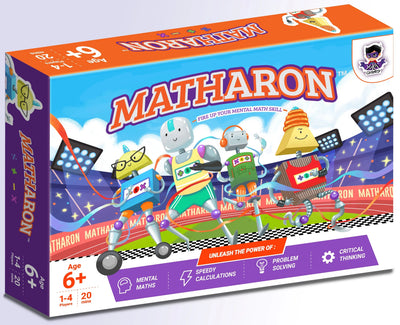
For older children, geo boards can introduce geometry, and counting beads can make complex calculations understandable. You can integrate these into everyday Indian scenarios, like calculating quantities for a family recipe or budgeting for a small 'puja' setup. Hands-on learning solidifies foundational mathematical understanding, preventing later struggles.
Science and Discovery: Igniting Curiosity Through Exploration
Science education benefits immensely from exploratory educational toys. Magnets, prism sets, or simple anatomy puzzles spark natural curiosity about the world. These materials encourage children to observe, hypothesize, and experiment, cultivating a scientific mindset from a young age.
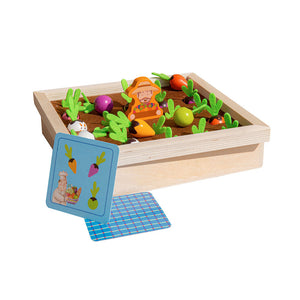
For instance, a botany puzzle can teach the parts of a plant, while a simple weather station kit can introduce meteorological concepts. Engaging children with these tools for hands-on investigation makes scientific principles less daunting and more accessible. SkilloToys offers a range of activity kits designed for exciting scientific discovery.
Life Skills and Cultural Learning: Practical Application in Indian Homes
Integrating practical life materials, a cornerstone of Montessori philosophy, into an Indian homeschooling environment is invaluable. Toys like lacing beads, buttoning frames, and pouring exercises develop fine motor skills and independence. These are directly applicable to daily chores, like helping grandparents with dressing or assisting in the kitchen.
Beyond practical skills, incorporating cultural learning through educational toys can connect children to their heritage. Using traditional Indian craft kits, making rangoli patterns with geometric shapes, or even enacting stories from Indian mythology with puppets fosters cultural appreciation alongside skill development. This holistic approach prepares children for real-world contributions within their community.
Maximizing Engagement with Learning Toys for Kids
To truly maximize the benefit of learning toys for kids, a structured yet flexible approach is essential. Simply providing the toys is not enough; guiding children on *how* to engage with them deeply enhances their learning journey. This involves creating an inviting learning space and offering clear, concise demonstrations.
Studies indicate that children thrive when given freedom within limits. Allow children to choose their learning materials, but guide them on the intended use and purpose. Rotating toys periodically can also rekindle interest and introduce new challenges, ensuring sustained engagement and discovery.
How to Use Educational Toys for Learning: A Daily Routine
A consistent routine for how to use educational toys for learning provides structure and predictability for homeschooled children. Establish dedicated 'work cycles' where children can independently choose and engage with materials. This mirrors the focused learning blocks found in successful Montessori classrooms worldwide.
Begin with a short, clear demonstration of a new material, then allow the child to explore. Observe their interaction without interruption, stepping in only to offer guidance if needed. Conclude by teaching the child how to return the material to its proper place, fostering responsibility and order in their learning environment. Explore our main collection of Montessori educational toys to build your daily routine.
- Integrating educational toys directly enhances cognitive development and knowledge retention in homeschooled children.
- Tactile materials like Sandpaper Letters are crucial for multi-sensory language development in early learners.
- Montessori math materials make abstract concepts tangible, improving understanding of numbers and quantities.
- Activity kits encourage scientific exploration and problem-solving, fostering a lifelong curiosity about the world.
- Practical life toys develop fine motor skills and independence, directly applicable to daily tasks in Indian homes.
- Consistent integration and guided exploration of educational toys contribute significantly to a child's holistic development.
How often should we use educational toys in homeschooling?
Educational toys should be integrated daily as part of your homeschooling routine, allowing for sustained engagement and consistent skill development. Incorporate them into specific subject lessons and also during free play, ensuring a balanced approach.
Are educational toys only suitable for younger children?
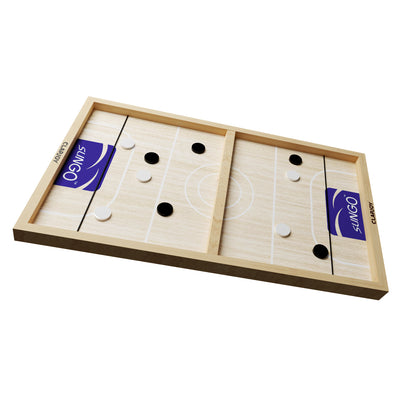
No, educational toys are beneficial across all age groups, adapting in complexity to suit developmental stages. While toddlers benefit from sensory and motor skill toys, older children engage with advanced science kits, strategy games, and activity kits that foster critical thinking and problem-solving.
How can I integrate toys if I have multiple children of different ages?
Integrate toys by selecting materials that offer varying levels of complexity or by setting up different learning stations. Younger children can use simpler versions of a concept while older siblings tackle advanced challenges with related materials, fostering a collaborative learning environment common in Indian joint families.
What if my child shows no interest in a particular educational toy?
If a child shows disinterest, reassess if the toy is age-appropriate, introduce it in a different context, or pair it with another engaging activity. Child development experts agree that forcing engagement is counterproductive; sometimes, simply observing how you use it can spark curiosity later.
Can educational toys replace traditional textbooks in homeschooling?
Educational toys are powerful learning tools but are most effective when used as complements to a comprehensive curriculum, not as direct replacements for textbooks. They provide the practical, hands-on experience that solidifies theoretical knowledge gained from books, offering a holistic learning approach.