Educational Toys: Montessori Homeschool Setup for Indian Families
Setting up a Montessori homeschool environment in India requires careful planning, focusing on child-led learning and age-appropriate educational toys. Creating a prepared environment at home empowers children to explore independently, fostering concentration, practical life skills, and a deep love for learning, crucial for Indian families embracing homeschooling. Research consistently demonstrates that such environments support superior problem-solving skills and executive function.
As more Indian parents choose alternatives to conventional schools, setting up an effective learning space becomes paramount. This guide provides practical steps and essential resources for designing a Montessori environment that nurtures your child’s potential, right within your Indian home. It’s about more than just toys; it’s about cultivating a mindset for lifelong learning.
Understanding the Montessori Homeschool Setup
A Montessori homeschool setup is a thoughtfully arranged learning space designed to foster independence, concentration, and intrinsic motivation in children. This matters because it mirrors the principles of a traditional Montessori classroom, allowing children to engage with specially designed educational toys and materials at their own pace. Indian parents can adapt this philosophy to their unique home environments, creating a rich, accessible learning haven.
Child development experts agree that a prepared environment is fundamental to the Montessori method. This means everything in the child's space is intentionally placed, child-sized, and accessible. The goal is to encourage self-directed activity and discovery, allowing children to follow their natural curiosity and develop deep concentration.
Designing Your Homeschool Learning Space India
Designing your homeschool learning space India requires consideration of your unique living situation, whether it’s a sprawling bungalow or a compact apartment. The core principle is creating an environment that respects the child as an individual, allowing them freedom within limits. This space should be orderly, beautiful, and inviting, reflecting the child’s developmental needs and interests.
Studies indicate that children thrive with choice and control over their learning, a cornerstone of the Montessori method. Incorporating elements that are familiar and culturally relevant to Indian children can further enhance engagement. This personal touch makes the learning journey more meaningful and relatable for them.
Zone by Zone: Practical Homeschool Room Ideas
Transforming a corner or a room into a dedicated Montessori environment at home involves creating distinct zones for different types of activities. Consider areas for practical life, sensorial exploration, language, mathematics, and culture. Each zone should have its own shelf or basket with specific materials, inviting the child to choose their work.
For instance, a 'practical life' zone might feature small brooms, pouring activities, or buttoning frames. A 'reading nook' could have comfortable seating and a selection of culturally relevant storybooks. Ensure that all furniture, from tables to chairs and shelves, is child-sized, allowing for complete independence.
Incorporating Indian Elements and Traditions
Integrating Indian elements naturally into your Montessori space enriches the learning experience and reinforces cultural identity. Display traditional Indian art, provide books about Indian festivals, or include natural materials like clay pots and stones for sensorial work. This creates a deeply personal and resonant learning environment.
Children can learn about Indian textiles through sorting fabrics or explore spices as part of sensorial activities. Grandparents, often a strong presence in Indian joint families, can share folk tales or teach traditional crafts, making learning a community effort. These cultural connections add immense value to the Montessori journey.
Essential Educational Toys for Your Montessori Setup
The right educational toys are the cornerstone of a successful Montessori environment, acting as tools for discovery rather than mere entertainment. Maria Montessori designed materials to isolate specific concepts, allowing children to understand abstract ideas through concrete manipulation. These materials are self-correcting, empowering children to learn from their mistakes independently.
When selecting materials, prioritize quality, natural materials, and purposeful design over quantity. Focus on items that encourage concentration, problem-solving, and fine motor skills. For a wide range of foundational Montessori materials, explore our main collection.
Practical Life Materials
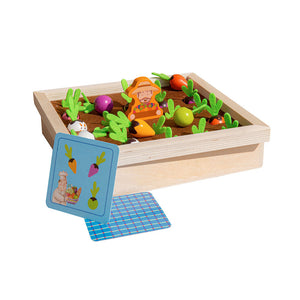
Practical life materials are crucial for developing independence, concentration, coordination, and order. These include activities like pouring, scooping, sweeping, dressing frames, and food preparation tools. They teach children real-world skills, building their self-confidence and sense of capability within the home.
For Indian families, this could extend to helping with simple chores like setting the dining table for family meals or watering plants in the garden. These everyday tasks, presented as engaging activities, are incredibly beneficial. Practical life skills can also be honed through various engaging activity kits.
Sensorial Exploration
Sensorial materials help children refine their five senses, enabling them to categorize and understand the world around them. Materials like the Pink Tower, Knobbed Cylinders, color tablets, and sound cylinders develop discrimination skills. They isolate qualities such as dimension, color, texture, and sound.
These experiences lay the groundwork for mathematical and scientific understanding. For example, by exploring different textures, a child builds a foundation for geometric concepts. Offering natural elements like spices or fabrics from different Indian states further enhances this sensory journey.
Language and Math Foundations
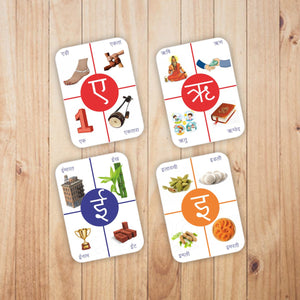
Montessori language materials, such as Sandpaper Letters and the Movable Alphabet, help children develop phonetic awareness and early writing skills. Math materials like number rods, spindle boxes, and golden beads introduce numerical concepts concretely, building a strong foundation from an early age (e.g., 18-24 months).
These materials allow children to grasp abstract concepts through hands-on manipulation, progressing from concrete to abstract understanding. By integrating stories and rhymes in regional Indian languages, parents can also foster multilingual development naturally.
Maintaining Your Prepared Environment
Maintaining a prepared environment involves regular decluttering, organizing materials, and observing your child's engagement. Rotate educational toys and activities periodically to keep the child's interest piqued and introduce new challenges. This ensures the environment remains stimulating and responsive to their evolving needs.
Encourage children to put materials back in their designated places after use, fostering a sense of responsibility and order. This practice reinforces the idea that the environment is shared and respected. A well-maintained space supports uninterrupted work cycles, allowing deep concentration to flourish.
How can I create a Montessori homeschool setup in a small Indian apartment?
Creating a Montessori homeschool setup in a small Indian apartment involves thoughtful decluttering, vertical storage solutions, and designating specific, accessible zones. Focus on one activity at a time, rotate educational toys regularly, and utilize multi-functional furniture to maximize space efficiency.
What are the most important educational toys for a beginner Montessori homeschool?
For a beginner Montessori homeschool, essential educational toys include practical life materials like pouring sets and dressing frames, sensorial materials such as the Pink Tower or Knobbed Cylinders, and early language/math aids like Sandpaper Letters or number rods. These foundational materials build concentration and independence.
How do I involve grandparents in a Montessori homeschooling approach?
Grandparents can be wonderfully involved in a Montessori homeschooling approach by sharing traditional stories, cooking Indian meals together (practical life!), or assisting with gardening. Encourage them to observe and respect the child's independent work, offering help only when requested, fostering a rich intergenerational learning experience.
Can Montessori principles be applied alongside traditional Indian values?
Yes, Montessori principles perfectly complement traditional Indian values by fostering respect for elders, community, and the environment, alongside self-discipline and a love for learning. Incorporate Indian art, music, festivals, and language into your prepared environment to enrich the cultural experience while adhering to Montessori methodology.
What is the ideal age to start a Montessori homeschool environment?
The ideal age to start a Montessori homeschool environment is typically from birth, focusing on preparing the infant's surroundings for optimal development. Toddlers (18 months onwards) particularly benefit from a prepared environment with accessible, age-appropriate educational toys and materials that encourage exploration and independence.
- A Montessori homeschool setup in India requires a prepared environment with accessible, child-sized educational toys.
- Designing distinct activity zones within your home fosters independence and deep concentration in children.
- Integrating Indian cultural elements and traditions enriches the Montessori learning experience significantly.
- Essential educational toys include practical life, sensorial, language, and math materials, which are self-correcting.
- Maintaining an orderly and rotating selection of materials is crucial for sustained engagement and development.
- Child development experts emphasize the prepared environment's role in cultivating a child's intrinsic motivation to learn.