Homeschooling Curriculum India: Your Step-by-Step Guide
Developing a personalized homeschooling curriculum India for your child is a profound journey, allowing you to tailor education to their unique needs and interests. It involves defining your educational philosophy, setting clear learning objectives, and carefully selecting diverse resources that resonate with India's rich cultural and academic landscape. This structured approach empowers parents to create an engaging and effective learning environment right at home.
What is a Homeschooling Curriculum?
A homeschooling curriculum is a meticulously planned educational roadmap designed by parents for their child's learning outside of traditional schooling. This matters because it ensures comprehensive development while honoring individual pace and passions. Indian parents can leverage this flexibility to integrate academic rigor with cultural values, family routines, and real-world experiences.
Why Crafting Your Own Curriculum Matters in India's Changing Landscape
The landscape of education in India is evolving, with more families considering alternatives to conventional schools. Recent reports, like those in The Times of India and The Core, highlight a rise in parents choosing homeschooling to escape academic pressure, long commutes, or to provide more individualized attention. Crafting your own homeschool curriculum India means taking charge of your child's educational destiny, allowing for deep, meaningful learning that aligns with your family's values.
This autonomy is especially powerful in joint family setups, where grandparents can become invaluable co-educators, sharing traditional stories, cooking regional delicacies, or teaching life skills that formal schooling often overlooks. It's about designing an education that fits into the rhythm of an Indian home, not forcing a home to fit into a rigid school schedule.
Step 1: Define Your Vision and Philosophy
Before you even think about textbooks, consider what you want your child's education to achieve. This foundational step guides all subsequent decisions. Research shows that children thrive in learning environments that are aligned with their family's values and pedagogical beliefs.
Understanding Your Child's Learning Style
Every child is unique. Does your 5-year-old learn best by doing (kinesthetic), seeing (visual), or hearing (auditory)? Observing how your child naturally explores and interacts with their world is crucial. For instance, a child who loves to tinker with household items might benefit from hands-on projects, while one who enjoys storytelling might flourish with literature-rich approaches.
Choosing an Educational Approach
Various educational philosophies can inform your curriculum. The Montessori method, for example, emphasizes child-led activity, hands-on learning, and collaborative play within a prepared environment. This approach aligns beautifully with the natural curiosity of children and is particularly effective for developing independence and intrinsic motivation from an early age. Other options include classical, Charlotte Mason, unschooling, or a hybrid model. Your chosen philosophy will shape the core of your curriculum for homeschoolers India.
Step 2: Set Clear Learning Goals and Benchmarks
Once your philosophy is in place, establish what you want your child to learn. These goals should be age-appropriate and cover academic, social, emotional, and practical development. Setting clear goals is a cornerstone of how to create homeschooling curriculum India successfully.
Referencing NCERT Guidelines
While homeschooling offers freedom, it's wise to have a reference point for academic progression. The National Council of Educational Research and Training (NCERT) framework provides a comprehensive homeschooling syllabus India for various age groups, outlining expected learning outcomes in core subjects. This can serve as a valuable guide, not a rigid mandate, ensuring your child covers essential concepts without being confined by a school's pace.
Integrating Indian Culture and Values
A truly unique advantage of homeschooling in India is the ability to deeply integrate cultural richness into learning. Festivals like Diwali, Eid, or Onam become living history lessons, teaching traditions, values, and community spirit. Learning about regional art forms, classical music, or even participating in family rituals offers multi-sensory education that's impossible to replicate in a textbook. Child development experts emphasize the importance of cultural identity in holistic growth, and your curriculum can be a powerful tool for this.
Step 3: Select and Curate Your Resources
With goals defined, it's time to gather the tools. This isn't just about buying books; it's about curating a diverse array of learning experiences.
Educational Materials for Hands-On Learning
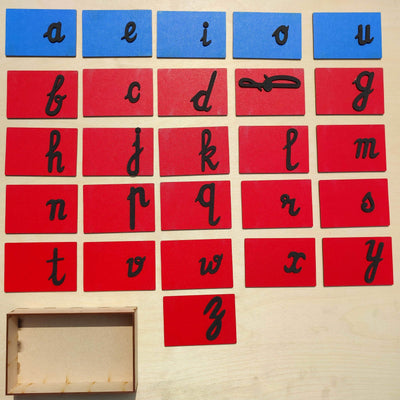
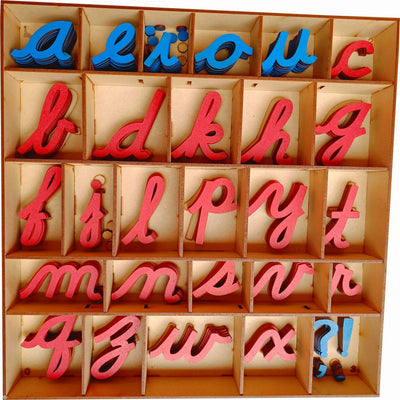
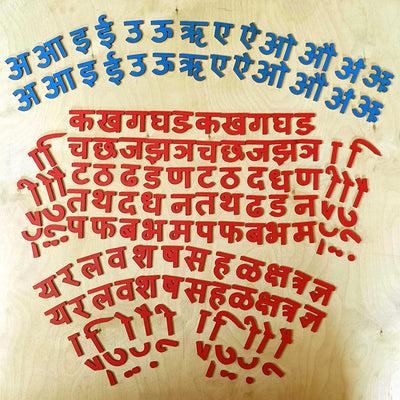
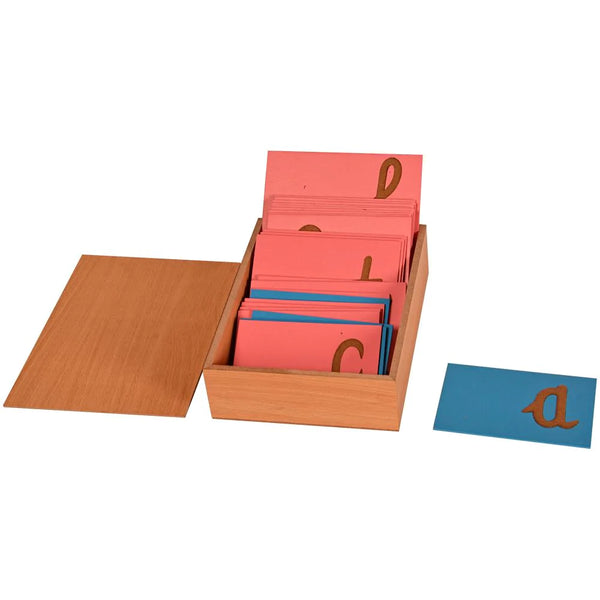
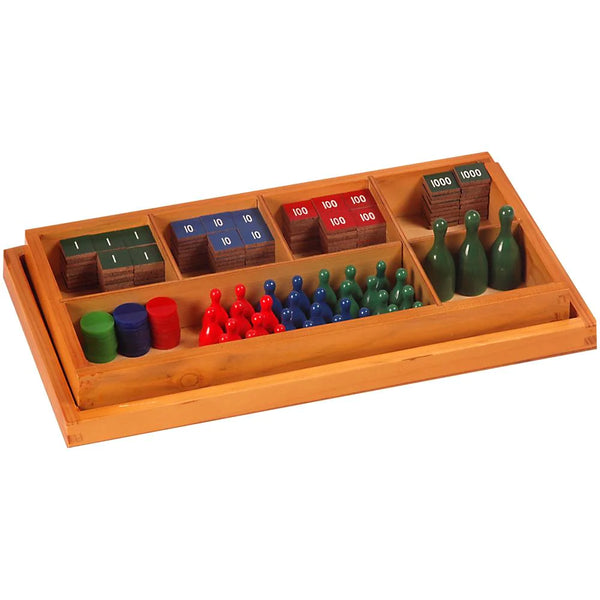
For young learners, tactile and interactive materials are indispensable. Montessori learning materials, like the Pink Tower for spatial reasoning or Sandpaper Letters for pre-reading, engage multiple senses, making abstract concepts concrete. Consider a range of activity kits that encourage experimentation, problem-solving, and creativity. These are not just toys; they are tools for discovery, perfectly aligned with a self-directed learning approach.
Online and Community Resources
The digital age offers a wealth of homeschooling resources India. Educational apps, online courses, documentaries, and virtual field trips can supplement your core materials. Beyond screens, engage with your local community: visit a library, a local artisan, a nature park in Bengaluru, or even a community kitchen during a festival. These real-world interactions provide context and practical application that textbooks alone cannot offer.
Step 4: Structure Your Day and Learning Environment
How you structure your homeschooling day and space significantly impacts its effectiveness. Flexibility is key, especially in busy Indian households.
Creating a Flexible Schedule
Unlike rigid school timetables, your homeschooling schedule can adapt to your child's energy levels and family commitments. Some families prefer concentrated morning learning sessions, leaving afternoons for outdoor play or hobbies. Others integrate learning throughout the day, perhaps a math lesson while cooking (measurement!), or reading during quiet afternoon hours. Studies indicate that consistent, shorter learning bursts can be more effective than long, drawn-out sessions, particularly for younger children (e.g., 3-6 years old).
Designing Your Learning Space
Even in a smaller Indian flat, a dedicated learning corner can make a huge difference. It doesn't need to be a separate room; a clean, organized shelf with readily accessible Montessori learning materials, art supplies, and books can create an inviting atmosphere. Maria Montessori herself emphasized a prepared environment that encourages independence and concentration, where children can easily choose and put away their own work.
Step 5: Assess Progress and Adapt
Homeschooling is not a static process; it's a dynamic journey that requires ongoing reflection and adjustment.
Beyond Traditional Grades
While NCERT benchmarks offer guidance, assessing progress in homeschooling goes beyond report cards. Focus on your child's understanding, mastery of skills, enthusiasm for learning, and personal growth. Keep a portfolio of their work, note observations in a journal, and engage in regular discussions. For example, rather than a test on fractions, observe your 8-year-old confidently dividing a cake among family members during a festival – that's real-world application and understanding.
Embracing Flexibility
There will be days when your carefully planned curriculum goes awry. A sudden family event, a child's unexpected passion for a new topic, or even just a mood swing can alter plans. Embrace these moments as opportunities for organic learning. The beauty of developing your own homeschooling curriculum India is its adaptability, allowing you to pivot and follow your child's lead when genuine interest sparks.
Crafting a homeschooling curriculum India is an empowering act of love and dedication. It allows you to nurture a lifelong love for learning, tailor education to your child's unique needs, and weave in the vibrant tapestry of Indian culture and family life. By following these steps, you're not just creating a syllabus; you're building a foundation for a truly holistic and joyful educational experience for your child.