The Rise Of Homeschooling In India: A Growing Trend
The Rise Of Homeschooling In India is no longer a fringe idea; it's a significant and growing educational trend that families across the country are embracing with conviction. This shift reflects a profound desire among parents to provide an education that truly nurtures their child's unique spirit and potential, moving beyond the traditional classroom's confines.
Homeschooling is an educational approach where parents or guardians take primary responsibility for their children's education at home, rather than enrolling them in a formal public or private school system. This method allows for tailored curricula and flexible schedules. This matters because it empowers families to design learning experiences that truly resonate with their child's individual needs. Indian parents can choose a path that integrates cultural values, personal interests, and a deep, hands-on understanding of the world.
Why the Growing Homeschooling Movement in India is Gaining Momentum
Recent discussions in media outlets like 'The Times of India' and 'The Core' highlight a discernible increase in homeschooling families. This growing homeschooling movement in India isn't a singular phenomenon but a multifaceted response to modern educational challenges. Parents, often grappling with the pressures of competitive exams, rigid curricula, and long school hours, are seeking alternatives.
For many Indian families, especially those in joint family setups in bustling metros, homeschooling offers the flexibility to celebrate festivals, spend quality time with grandparents, and maintain strong cultural ties that traditional school schedules often interrupt. It's about more than just academics; it's about preserving a way of life while fostering intellectual growth.
Beyond the Classroom: The Holistic Advantage of the Homeschooling Trend in India
One of the primary drivers behind the homeschooling trend India is witnessing is the desire for holistic child development. Unlike conventional systems that often prioritize rote learning, homeschooling allows for an integrated approach where a child's emotional, social, physical, and cognitive growth are equally valued. Child development experts agree that a personalized learning environment can significantly boost a child's intrinsic motivation and curiosity.
This approach aligns beautifully with Montessori principles, which emphasize self-directed activity, hands-on learning, and collaborative play. For instance, a 4-year-old in Bengaluru, learning at home, might spend a morning exploring the properties of water in the kitchen, connecting it to basic science, measurement, and practical life skills, rather than sitting through a lecture. This kind of experiential learning builds a foundation for deep understanding and critical thinking.
Cultivating Curiosity with Engaging Learning Materials
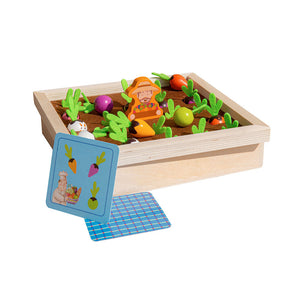
The beauty of homeschooling lies in tailoring education to a child's natural inclinations. For a child fascinated by animals, the learning can revolve around zoology, geography of habitats, and even storytelling about wildlife. Providing rich, open-ended Montessori learning materials empowers children to explore concepts at their own pace, transforming abstract ideas into concrete experiences.
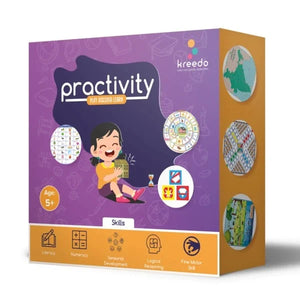
Consider a child engaging with activity kits that challenge their problem-solving skills or foster creativity. These aren't just toys; they are tools for intellectual and developmental growth. Parents can introduce concepts like numeracy and literacy through playful, engaging methods, making learning a joyful discovery rather than a chore. For instance, activity kits focusing on practical life skills like pouring or buttoning can build fine motor control essential for writing, while also fostering independence.
The Future Of Homeschooling In India: A Look Ahead
As discussions about formal homeschooling frameworks emerge, as highlighted by 'Education Times', the future of homeschooling India appears robust and increasingly structured. This growing popularity isn't just about opting out; it's about actively opting in to a philosophy that places the child at the center of their educational journey. Research indicates that children in self-directed learning environments often develop stronger self-regulation and problem-solving skills.
The community around homeschooling in India is also strengthening, with parents forming support groups, co-ops, and resource-sharing networks. This collective effort ensures that families do not feel isolated and can access a wealth of knowledge and experience. For parents in cities like Pune or Chennai, these communities provide invaluable peer support and opportunities for children to socialize meaningfully, addressing common concerns about isolation.
The rise of homeschooling in India signals a transformative moment in education, empowering families to craft a learning experience that truly reflects their values and their child's unique potential. It's a testament to the evolving understanding of what truly constitutes a meaningful and effective education for the next generation.