Educational Toys: Holistic Play for Indian Child Development
Educational toys are not just playthings; they are powerful tools that actively shape a child's physical, cognitive, social, and emotional development. For Indian children, these thoughtfully designed learning aids offer a crucial pathway to holistic growth, moving beyond rote learning towards genuine, joyful exploration. This guide delves into how these toys support play-based learning, nurturing curious, capable individuals.
Child development experts agree that play is fundamental to learning, especially in the early years. The American Academy of Pediatrics states that play is essential for developing social, emotional, physical, and cognitive capabilities. In India, where academic pressure can start early, integrating play-based learning through educational toys offers a vital balance, promoting skills like critical thinking and creativity that are often overlooked in traditional curricula.
The Core Idea: What Are Educational Toys?
Educational toys are specifically designed materials that engage children in active, purposeful learning through play. This matters because they facilitate exploration, discovery, and problem-solving, building foundational skills rather than simply entertaining. Indian parents can use these toys to foster a love for learning that extends far beyond textbooks and classrooms, from the bustling streets of Bengaluru to quiet village homes.
Benefits of Educational Toys for Holistic Child Development
Research consistently shows that engaging with the right educational toys dramatically impacts a child's overall growth. As The Hindu recently highlighted, “Play-based learning for India’s future” is not just a concept, but a necessity for developing well-rounded citizens. These toys foster a spectrum of skills crucial for life, not just for school.
Fostering Cognitive Growth Beyond Rote Learning
Educational toys stimulate cognitive development by encouraging children to think, reason, and solve problems independently. A 4-year-old in a joint family might spend hours arranging a set of puzzles, learning about spatial relationships and logical sequencing. This active engagement strengthens neural pathways, improving memory, attention span, and critical thinking — skills far more valuable than memorisation for a child's future success.
For instance, a child interacting with Montessori materials like the Pink Tower or Number Rods isn't just playing; they are intuitively grasping concepts of size, order, and quantity. Maria Montessori famously observed that children learn best when they are actively manipulating their environment, making discoveries on their own terms. This self-directed learning builds a deep understanding that conventional teaching often misses.
Building Social-Emotional Intelligence Through Play
Play is the natural laboratory for social and emotional development. Sharing building blocks with a sibling, negotiating roles in imaginative play with cousins, or comforting a doll — these scenarios teach empathy, cooperation, and conflict resolution. In a typical Indian home, where children often grow up surrounded by family, educational toys can enhance these vital social interactions.
For a child like 3-year-old Rhea in Mumbai, playing with a dramatic play set might mean enacting scenes from a family wedding or a local market, developing her understanding of social roles and emotional expressions. These experiences are crucial for emotional regulation and building healthy relationships, skills that UNICEF underscores as foundational for early childhood education.
Enhancing Physical Skills and Sensory Exploration
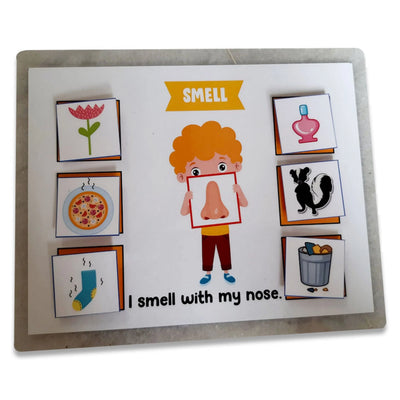
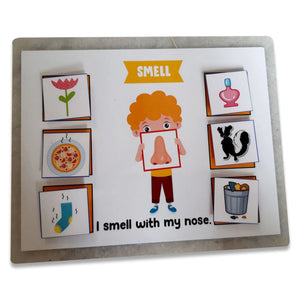
From fine motor skills needed to grasp small objects to gross motor skills developed by stacking large blocks, educational toys are a workout for a child's body. Sensory toys, in particular, engage sight, touch, and even sound, refining a child's perception of the world. The satisfying clunk of one wooden block landing on another, the varied textures of a sensory board, or the vibrant colours of an activity kit — all contribute to sensory integration.
Consider 18-month-old Rohan, exploring a Montessori activity kit designed for sensory play. He might be picking up small beads, transferring them between bowls, or feeling different fabrics. These seemingly simple actions develop his hand-eye coordination, pincer grasp, and concentration, preparing him for future tasks like writing and self-care. It's the practical, tactile learning that many Indian grandmothers instinctively encourage through traditional play.
Types of Educational Toys for Every Stage of Learning
The world of educational toys is vast, offering something for every developmental milestone. Understanding the different categories helps parents make informed choices that truly benefit their child.
Montessori Educational Toys: Learning by Doing
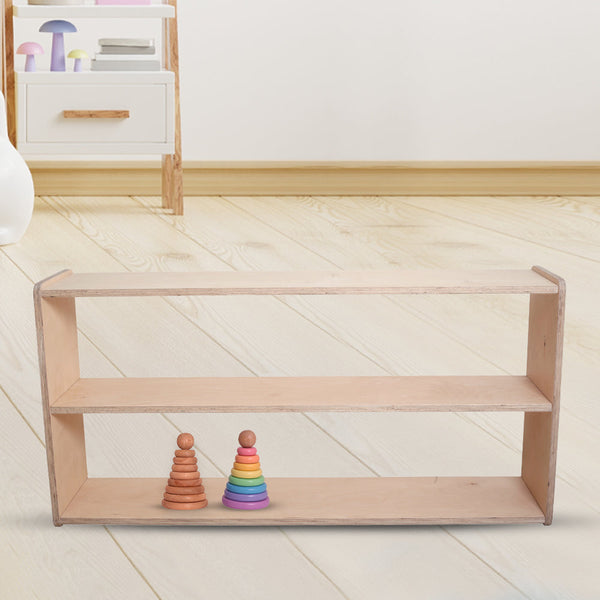
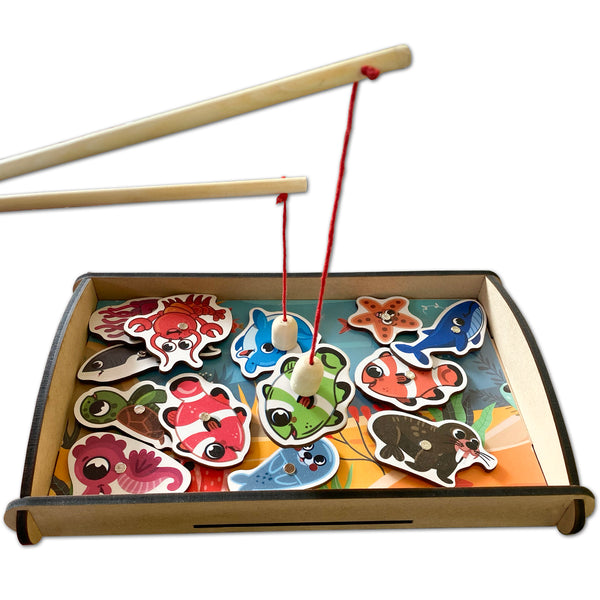
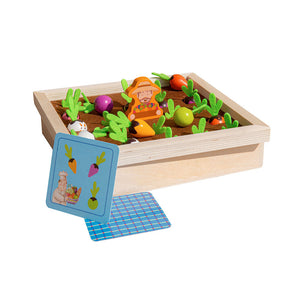
Montessori toys are renowned for their focus on child-led, hands-on learning. They are typically made from natural materials, have a specific purpose, and are designed to be self-correcting. From practical life materials that teach pouring and dressing to sensorial materials like the colour tablets, these toys align with a child's natural curiosity and sensitive periods of development. They teach independence and a deep understanding of concepts through direct experience.
Sensory Play for Early Explorers
For infants and toddlers, sensory toys are paramount. These include rattles, soft blocks with varied textures, activity cubes, and materials that encourage exploration through touch, sound, and sight. Such toys are crucial for brain development, helping children process information from their environment and build foundational cognitive connections.
Puzzles and Problem-Solving Games
As children grow, puzzles and construction sets become invaluable. Simple knob puzzles for toddlers transition to complex jigsaw puzzles and building blocks for older children. These toys hone problem-solving skills, spatial reasoning, patience, and persistence — traits highly valued in any learning environment, from school to career.
How to Choose Educational Toys for Your Indian Child
Selecting the right educational toys means looking beyond marketing claims and understanding your child's unique needs and the cultural context. India Development Review highlights the need for play to improve learning in classrooms, and this extends to homes too.
Prioritising Open-Ended Play and Cultural Relevance
Opt for toys that encourage open-ended play — toys that can be used in multiple ways, sparking imagination rather than dictating a single outcome. Simple wooden blocks, for instance, can become a house, a train, or a bridge. These are far more valuable than single-function electronic toys that do all the thinking for the child. Furthermore, consider toys that reflect Indian culture, perhaps through traditional art forms, stories, or characters, making learning more relatable and enriching.
The non-obvious insight here is that the joy of repetitive play isn't 'boredom' for a child, but deep concentration and mastery. When a child, like 2-year-old Kavya, repeatedly stacks and knocks down a tower, she isn't just being disruptive; she is perfecting her motor skills, understanding cause and effect, and experiencing the pure delight of mastery. Interrupting this 'repetitive' play for 'something new' often disrupts deep learning and concentration, a core Montessori principle often misunderstood by adults.
Considering Age, Safety, and Developmental Milestones
Always choose toys that are age-appropriate and meet safety standards. Look for non-toxic materials, durable construction, and absence of small, detachable parts for younger children. Observe your child's current developmental stage — are they exploring textures, starting to grasp, or developing fine motor control? The best toy is one that challenges them just enough without causing frustration, encouraging growth at their own pace.
Remember, the goal is to foster a love for learning and exploration, not to accelerate academic achievement. The right educational toys provide a nurturing environment where children can develop at their own rhythm, supported by joyful play, just as Maria Montessori envisioned. Explore a wide range of thoughtfully designed learning materials at SkilloToys.com, tailored for every stage of your child's holistic development.