Why Indian Parents Say No to Conventional Schools
Why Indian parents are saying no to conventional schools is a critical discussion, revealing a deep-seated desire for educational reform. Driven by mounting academic pressure and a perceived lack of holistic development, many families in India are actively seeking alternatives to traditional schooling. This growing sentiment, highlighted in recent reports by The Times of India and The Core, indicates a significant shift in how Indian parents envision their children's learning journey.
Homeschooling is an educational approach where children learn at home, guided by parents or tutors, outside of a formal institutional setting. This matters because it allows for personalised learning paths tailored to a child's unique needs and pace. Indian parents can adapt curriculum, integrate cultural values, and foster natural curiosity directly.
The Growing Discontent: Problems with Conventional Schooling India
A primary concern pushing Indian parents away from traditional classrooms is the overwhelming emphasis on rote learning and competitive examinations. Child development experts agree that while foundational knowledge is crucial, an education system focused purely on memorisation stifles creativity and critical thinking. Studies in urban India suggest that a significant percentage of children experience high levels of stress directly linked to academic pressure from an early age, often sacrificing playtime and holistic growth.
For many families, especially those with children like 6-year-old Anya in Bengaluru who thrive on hands-on exploration, the rigid curriculum and large class sizes become barriers. Anya's parents noticed her natural curiosity waning, replaced by anxiety about tests. This scenario reflects a widespread sentiment of dissatisfaction with traditional schools that often prioritise conformity over individual spark.
Losing the Joy of Learning in Traditional Education vs Homeschooling India
The contrast between the structured, often didactic approach of conventional schooling and the child-led discovery encouraged in homeschooling is stark. Traditional education can inadvertently extinguish a child's innate love for learning by making it a chore rather than an adventure. When the focus shifts from understanding to merely scoring marks, the deeper engagement with subjects is lost.
Homeschooling, particularly when inspired by methodologies like Montessori, reintroduces joy by allowing children to pursue their interests at their own pace. Imagine a child fascinated by animals, building an entire curriculum around biology, geography, and even language arts through that lens. For families looking to foster this intrinsic motivation, engaging activity kits can be incredibly supportive, turning abstract concepts into tangible experiences.
Individual Needs Ignored: Key Reasons to Homeschool India
Another powerful push factor is the lack of individualised attention in large classrooms. Every child is unique, with different learning styles, paces, and emotional needs. Rohan's parents in Pune struggled when their 8-year-old, who excelled in math but was shy, became withdrawn in a class of 40 students where his quiet brilliance went unnoticed. This lack of tailored support is a common grievance among Indian parents seeking alternatives.
Concerns about mental well-being and child safety are also growing reasons to homeschool India. Incidents of bullying, peer pressure, and even the sheer commute in crowded cities like Delhi can add significant stress to a child's day. For many, the home environment, supported by a close-knit joint family or a local homeschooling community, offers a much safer and more nurturing space where a child's emotional health is prioritised alongside their academic growth.
Finding a Montessori Solution to Conventional Education's Gaps
The silent rebellion of Indian parents against conventional schools isn't just about escaping pressure; it's a re-embrace of a deeply ingrained Indian philosophy – that true learning blossoms not from textbooks alone, but through hands-on engagement, respectful guidance, and community, much like our traditional gurukuls or joint family learning spaces. This philosophy finds a profound echo in Montessori principles.
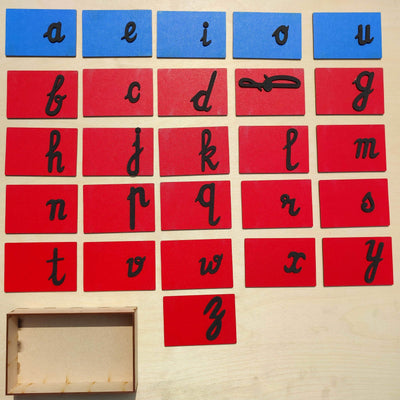
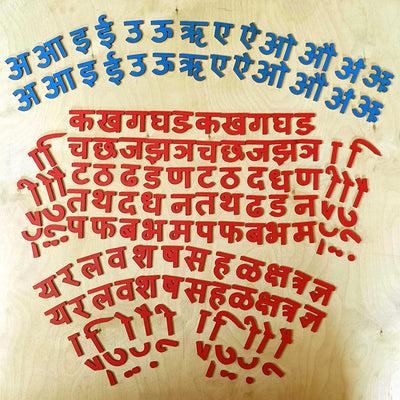
Montessori education provides a compelling solution to many of the problems with conventional schooling India faces. Dr. Maria Montessori observed that children learn best in a prepared environment, choosing their own work and developing concentration and independence. This child-centric approach directly addresses the lack of individual attention and the stifling of creativity often seen in traditional settings. Montessori materials, like the Pink Tower or Sandpaper Letters, allow children to self-correct and learn through discovery, building a solid foundation in core subjects while fostering problem-solving skills and a love for learning. Exploring a range of Montessori method learning materials can transform a home into an enriching learning hub.
By choosing homeschooling, often with a Montessori-inspired approach, Indian parents are not just opting out; they are actively choosing in – choosing a path that respects their child's individuality, fosters their innate curiosity, and nurtures a lifelong love for learning, all while upholding their family's values and cultural heritage. This decision is an empowering step towards a more joyful and effective education.