Homeschooling Success Stories India: Children Thriving
Homeschooling success stories India reveal children who thrive academically, socially, and emotionally, often demonstrating enhanced self-directed learning and deep engagement with their passions. These positive outcomes are increasingly visible across diverse Indian families, affirming the benefits of a personalized educational journey.
Homeschooling is the practice of educating children at home rather than sending them to a traditional school. This matters because it allows for highly personalized learning tailored to each child's pace and interests. Indian parents can leverage this flexibility to cultivate strong family bonds and culturally relevant education.
The discussion around homeschooling in India is rapidly evolving, with media outlets like News18 and Mathrubhumi highlighting why Indian parents are choosing this path. It’s no longer just about reducing exam pressure; it’s about nurturing truly thriving individuals, as beautifully illustrated by articles such as 'Why This Teen Says Homeschooling Was the Best Decision for Her Education' from The Better India. Let's delve into the tangible successes of children learning at home.
Beyond the Classroom: Academic Excellence & Deep Learning
Homeschooling in India often leads to remarkable academic achievements, as children are not confined by a rigid curriculum or competitive class environment. Instead, learning becomes an exploration, tailored to the child's unique strengths and interests. This individualized approach allows for deep dives into subjects that truly captivate a child's mind, fostering genuine mastery rather than rote memorization.
Research shows that homeschooled children often perform significantly better on standardized tests compared to their traditionally schooled peers, especially when the learning environment is stimulating and supportive. For instance, a child fascinated by Indian mythology can spend hours researching epics, discussing with grandparents, and even creating their own graphic novels, integrating history, literature, and art seamlessly. This freedom cultivates a lifelong love for learning, a critical benefit of homeschooling for children India.
Child development experts agree that a self-paced learning model allows children to master foundational concepts before moving on, preventing gaps in understanding that can hinder progress in traditional settings. Many Indian homeschooling families report that their children develop advanced critical thinking skills and an ability to teach themselves new concepts, preparing them exceptionally well for future challenges.
Cultivating Holistic Development: Social Skills & Emotional Intelligence
One of the most common misconceptions about homeschooling is the 'socialization myth'. However, homeschooling outcomes India consistently demonstrate that children develop robust social skills through diverse and meaningful interactions. Unlike the often age-segregated and peer-dependent environment of traditional schools, homeschooled children engage with a wider range of people – from family members and community elders to peers in clubs, sports, and volunteer groups.
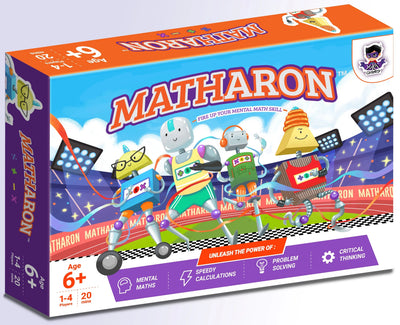
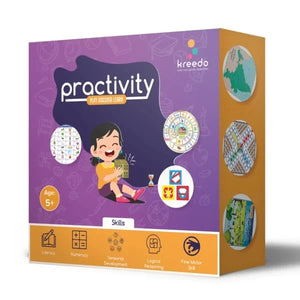
Children thriving homeschooling India learn to navigate social situations across different age groups and contexts, fostering empathy, respect, and adaptability. They participate in community service, attend workshops, join art classes, or explore various activity kits that encourage group projects. This exposure leads to more mature, confident, and emotionally intelligent individuals who can communicate effectively with anyone.
Furthermore, the absence of peer pressure and bullying prevalent in some school settings allows homeschooled children to develop a strong sense of self and emotional resilience. They learn to value their individuality and make choices based on personal values rather than external influence, leading to healthier emotional development and stronger relationships within their families and communities.
Unleashing Potential: Passion-Driven Education & Entrepreneurship
A significant aspect of homeschooling success stories India is the opportunity for children to pursue their passions deeply. Without the constraints of a standard school timetable, children can dedicate substantial time to areas they genuinely love, whether it's classical Indian dance, coding, environmental activism, or even starting a small home-based business. This passion-driven learning ignites creativity and entrepreneurship from a young age.
We see inspiring examples of young Indian homeschooled entrepreneurs developing apps, crafting handmade goods, or excelling in niche fields like astronomy or robotics. This environment fosters innovation and practical skills, preparing them for a future that values adaptability and self-direction. Such hands-on learning, often facilitated by educational tools and open-ended projects, allows children to connect theoretical knowledge with real-world applications.
The flexibility of homeschooling allows for a learning journey that truly mirrors a child's unique talents and aspirations. This is where children thriving homeschooling India truly shine, transforming their education into a launchpad for their dreams, rather than just a routine.
Montessori Principles in Action: Nurturing Self-Directed Learners
The Montessori method, with its emphasis on self-directed activity, hands-on learning, and collaborative play, perfectly complements the homeschooling philosophy. Many Indian families embrace Montessori homeschooling success by creating prepared environments at home, where children can explore and learn at their own pace, just as Dr. Maria Montessori envisioned.
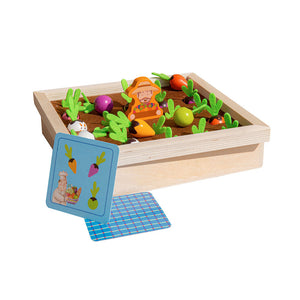
Utilizing specific Montessori materials, such as the Pink Tower for sensorial development or Sandpaper Letters for language acquisition, empowers children to learn through discovery. This approach respects the child's natural curiosity and innate drive to learn, fostering concentration, independence, and a deep understanding of concepts. Children in age ranges like 18-24 months can benefit immensely from practical life activities, learning self-care and grace in movement.
The focus on observation, freedom within limits, and developing practical life skills creates well-rounded individuals who are not only academically proficient but also responsible, capable, and confident. These are the core tenets that define Montessori homeschooling success and contribute significantly to children thriving in homeschooling India.
- Homeschooling in India fosters academic excellence through personalized, self-paced learning.
- Homeschooled children develop diverse social skills and high emotional intelligence through broad community engagement.
- Passion-driven education in homeschooling environments encourages entrepreneurship and deep skill development.
- Montessori principles significantly enhance homeschooling outcomes, promoting independence and a love for learning.
- The rising trend of homeschooling in India is driven by a desire for holistic child development beyond traditional school pressures.
- Homeschooled children often demonstrate stronger critical thinking and problem-solving abilities.
Are homeschooled children academically successful in India?
Yes, research indicates that homeschooled children often achieve academic outcomes comparable to, or even exceeding, their traditionally schooled peers. Their individualized learning paths and focus on mastery contribute significantly to this success.
How do homeschooled children socialize effectively in India?
Homeschooled children develop robust social skills through diverse interactions within their families, community groups, extracurricular activities, and often specific homeschooling cooperatives. Their social circles are often broader and more age-diverse than those in traditional schools.
Is homeschooling legal and recognized in India?
Yes, homeschooling is legal in India, though specific guidelines can vary by state. The Indian government permits homeschooling, and parents have the right to choose their child's educational path, as long as basic educational standards are met.
What role do Montessori principles play in homeschooling success?
Montessori principles, such as self-directed learning, a prepared environment, and hands-on exploration, are highly effective in homeschooling. They empower children to learn at their own pace, fostering independence, concentration, and a genuine love for learning, which are hallmarks of success.
Can homeschooling prepare Indian children for higher education?
Absolutely. Homeschooling environments often cultivate critical thinking, problem-solving skills, and self-discipline, which are invaluable for higher education. Many homeschooled students successfully enter universities in India and abroad, demonstrating strong academic preparedness and maturity.
The journey of homeschooling in India is proving to be a powerful alternative for families seeking a more personalized, holistic, and enriching educational experience. The myriad of homeschooling success stories India provides compelling evidence that children can truly thrive outside the conventional classroom, developing into confident, capable, and innovative individuals ready to contribute meaningfully to society. By embracing flexible learning and fostering a deep love for discovery, Indian parents are charting a bright future for their children, proving that home can indeed be the best school.