How to Start Homeschooling in India: A Step-by-Step Guide
The landscape of education in India is evolving, with a noticeable rise in families choosing alternative paths. Google News articles, including 'The Rise Of Homeschooling In India - The Core' and 'Why Indian Parents Are Choosing Homeschooling For Kids - News18,' clearly highlight this growing trend. For many families in Bengaluru and across the nation, the question isn't 'why' homeschool, but how to start homeschooling in India effectively and confidently.
Homeschooling in India involves educating children at home, typically by a parent or guardian, following a self-designed or chosen curriculum rather than enrolling them in a traditional school. This matters because it offers a personalised learning journey tailored to each child's pace and interests. Indian parents can embrace this flexibility to integrate cultural values, family rhythms, and a child-led approach like Montessori into daily learning.
1. Understand the Legal Framework and Your 'Why'
The first step for any family considering transitioning to homeschooling in India is to understand the legalities and articulate your reasons. Research shows that while India does not have a single, unified federal law specifically governing homeschooling, the Right to Education Act of 2009 implicitly allows for 'home-based education.' This means parents have the freedom to choose their child's educational path.
Clarifying your 'why' is equally crucial. Are you looking to alleviate academic pressure, offer a more flexible schedule, cater to a child's unique learning needs, or integrate specific values and traditions? For instance, many Indian parents choose homeschooling to ensure their children remain deeply connected to their mother tongue and cultural heritage, something often diluted in conventional schooling. This clarity will serve as your guiding star throughout your journey.
2. Define Your Educational Philosophy: Montessori & Indian Values
Once you're clear on the legalities and your motivation, the next of the essential homeschooling steps India entails is defining your educational philosophy. Will you follow a structured academic path, an unschooling approach, or a blended model? For many Indian families, the Montessori method offers a compelling framework due to its emphasis on respect for the child, independence, and hands-on learning.
Child development experts agree that a prepared environment and child-led exploration, central to Montessori, foster intrinsic motivation and deep understanding. Imagine a 4-year-old in a joint family home in Bengaluru, meticulously arranging a Montessori pink tower, while their Dadi narrates stories in Kannada. This blend of structured learning and cultural immersion is where Montessori truly shines in an Indian context, naturally integrating learning with everyday life and family interactions.
3. Craft Your Curriculum and Gather Resources
Choosing or creating a curriculum can feel daunting, especially for homeschooling for beginners India. Many parents opt for National Institute of Open Schooling (NIOS) for formal certification, while others integrate elements from various boards or create a bespoke curriculum. The beauty of homeschooling is its adaptability – you can tailor learning to your child's pace and interests, whether they're fascinated by Indian mythology or global science.
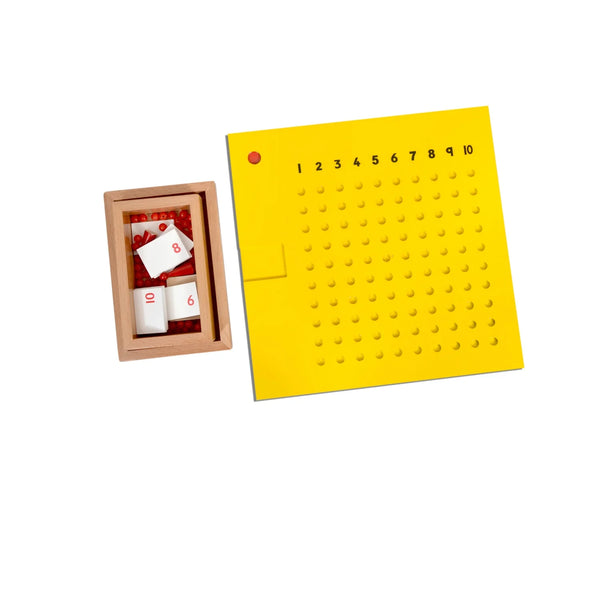
Leverage resources readily available to you. Beyond textbooks, consider educational documentaries, museum visits, nature walks, and even traditional festivals as learning opportunities. For hands-on learning, explore high-quality activity kits and Montessori materials that encourage exploration and problem-solving, rather than rote memorisation. These materials are designed to be self-correcting, allowing children to learn from their mistakes independently.
4. Create a Nurturing Learning Environment
A dedicated and thoughtfully arranged learning space is crucial for a successful montessori homeschooling setup India. This doesn't require a separate room; even a corner in a living room or a balcony can be transformed. Maria Montessori emphasised a 'prepared environment' – a space that is orderly, inviting, and stocked with accessible, age-appropriate materials.
For an Indian home, this might mean a low shelf with Montessori wooden puzzles, a comfortable mat for reading Puranic tales, or a small table for practical life activities like peeling vegetables or folding clothes. Such an environment respects the child's autonomy and encourages concentration, turning daily tasks into valuable learning experiences. The focus is on making learning a natural part of the home, not a separate, rigid activity.
5. Build Your Support System and Community
One of the most common concerns parents raise is socialisation. However, research indicates that homeschooled children often develop stronger social skills due to diverse interactions beyond a single age-group classroom. Building a robust support system is vital for your homeschooling journey in India.
Connect with local homeschooling groups in your city – many thriving communities exist in Bengaluru, Mumbai, and Delhi. These groups offer opportunities for children to socialise, engage in group projects, and participate in field trips. For parents, they provide a platform for sharing resources, advice, and emotional support. Grandparents and extended family can also be invaluable, offering wisdom, childcare support, and cultural enrichment.
6. Embrace Flexibility, Reflect, and Grow
Homeschooling is not about replicating school at home; it's about fostering a love for learning and adapting to your child's evolving needs. Be prepared to be flexible with your schedule and curriculum. A child might become deeply engrossed in a topic for weeks, requiring you to pause planned lessons, or an unexpected family event might shift your routine.
Regularly reflect on what's working and what isn't. Observe your child's engagement, independence, and progress. The journey of how to start homeschooling in India is an ongoing process of learning and adaptation for both parent and child. Celebrate small victories, learn from challenges, and remember that you are empowering your child with a unique, deeply personalised education that respects their individuality and cultural roots.