Telugu Letters with Pictures: Fun Play Activities for Kids
For many Indian parents, teaching their children the rich beauty of their mother tongue, Telugu, is a deeply cherished goal. Yet, the pressure to make learning engaging often feels daunting. The good news is that helping your child master telugu letters with pictures can be a joyous, play-based journey, far removed from rote memorization. This approach is not just fun; it is profoundly effective, aligning with child development principles that confirm play is foundational to all learning, a sentiment echoed by recent reports like ET Government's piece on 'Play as infrastructure' for human capital.
What is Play-Based Telugu Learning?
Play-based Telugu learning involves engaging children in spontaneous and guided activities that naturally introduce them to the Telugu alphabet and its sounds. This matters because it harnesses a child's innate curiosity and desire to explore, making the acquisition of new concepts, like language, effortless and joyful. Indian parents can implement this by integrating Telugu letters into everyday games, stories, and sensory experiences rather than relying solely on structured lessons.
Why Play Makes Learning Telugu Letters Truly Stick
Research consistently shows that children learn best when they are actively engaged and enjoying themselves. For complex scripts like Telugu, which has its own unique curves and sounds, this is even more critical. When a child learns telugu alphabet for kids through play, they aren't just memorizing; they're building neural connections that link the visual shape of a letter to its sound, its feel, and its meaning in their world. Studies from the Harvard Center on the Developing Child indicate that stress-free, engaging learning environments promote stronger cognitive development and longer-term retention. It prepares them for learning and life, as highlighted by Hindustan Times.
Consider 3-year-old Rhea from Bengaluru, whose Dadi sings her lullabies in Telugu. When Rhea then traces a Telugu letter in sand, connecting it to a sound she already knows, the learning becomes personal and deeply embedded, not just an academic exercise. This multi-sensory approach ensures that learning is holistic and lasting, fostering a genuine love for their linguistic heritage.
Engaging Activities for Learning Telugu Letters with Pictures
Transforming the living room into a language laboratory for learn telugu for kids is simpler than you think. Here are some play-based activities that bring Telugu letters to life:
Sensory Exploration: Feel the Letters
Children learn best when multiple senses are involved. Instead of just seeing, let them feel the contours of Telugu letters. Spread a thin layer of sand, salt, or even turmeric powder on a tray and encourage your child to trace the letter shapes with their finger. This tactile experience helps them internalize the intricate curves and loops of the Telugu script. For a more structured approach, consider exploring our range of activity kits that often include similar sensory components.
Movement and Music: Dance to the Alphabet
Gross motor movement significantly aids memory and concentration. Create a scavenger hunt where you hide flashcards with telugu letters with pictures around the house. Call out a letter sound, and your child has to find the corresponding card. Sing simple Telugu alphabet songs together, incorporating actions for each letter. This makes learning dynamic and ties into the joy of collective celebration, much like India's Independence Day celebrations.
Creative Play: Storytelling and Art with Letters
Encourage your child to draw objects that start with specific Telugu letters. For example, draw an 'అ' (a) for అద్దం (addham - mirror) or a 'క' (ka) for కమలం (kamalam - lotus). You can even create simple puppet shows where each puppet represents a Telugu letter, telling a story about its sound and associated words. This creative outlet sparks imagination and solidifies letter-object association.
Everyday Discoveries: Telugu Around Us
Integrate Telugu letters into daily life. Point out Telugu words and letters on grocery labels, street signs, or even in the Telugu newspaper your Thatha (grandfather) reads. During festivals like Ugadi or Diwali, highlight Telugu letters on decorative items or greeting cards. In the kitchen, as you prepare traditional Indian dishes, talk about ingredients using Telugu words and point out their starting letters. This makes learning relevant and naturally connects it to their immediate environment.
Montessori's Wisdom: Hands-On Telugu Materials
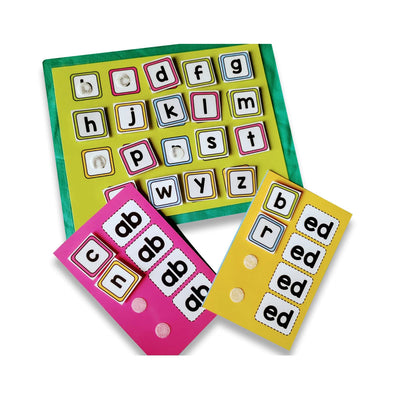
Maria Montessori, a pioneer in child development, understood the power of hands-on, self-directed learning. Her philosophy, which underpins many of the Montessori educational toys we offer, provides an excellent framework for play-based telugu learning. Materials like sandpaper letters allow children to trace the letter with their fingers, engaging both visual and tactile senses. This sensory input creates a strong impression of the letter's form. Movable alphabets, another Montessori classic, enable children to construct words even before they master writing, building early literacy and phonemic awareness.
Our collection of puzzles also includes options that can be adapted for language learning, helping children piece together letters or match pictures to their initial Telugu sounds. These materials provide concrete experiences that are essential for abstract concepts like reading and writing, empowering children to learn at their own pace and fostering independence.
Beyond the Textbook: Cultivating a Love for Telugu
The goal isn't just to identify Telugu letters; it's to cultivate a deep appreciation and fluency in the language. By embracing play-based methods, you are not just teaching; you are nurturing a cultural connection and a lifelong love for learning. This approach removes the anxiety often associated with academic pressure, replacing it with curiosity and joy. Child development experts agree that a positive emotional connection to learning significantly enhances retention and motivation.
Tonight, during dinner, challenge your child to name two objects they see around the table that start with a Telugu letter you've been practicing. Or, choose a simple Telugu storybook and point to the letters as you read together. These small, consistent interactions make a monumental difference, building strong foundations for future literacy and cultural pride.