Telugu Letters with Pictures: Fun, Play-Based Learning
When it comes to teaching telugu letters with pictures, Indian parents are discovering that joyful, play-based learning is the most effective approach for young children. Instead of rote memorization, this method helps kids naturally connect with their mother tongue, fostering a lifelong love for Telugu. Research consistently shows that engaging multiple senses through play enhances early literacy, making the learning journey intuitive and lasting.
Play-based learning for language acquisition involves hands-on, child-led activities that introduce linguistic concepts in an enjoyable, non-pressured environment. This approach is vital because it aligns with a child's natural curiosity and developmental stages. Indian parents can actively use this method by transforming daily interactions and playtime into rich opportunities for language discovery, building foundational skills for reading and writing.
Why Play-Based Learning Makes Learning Telugu Letters Joyful and Lasting
In a country where education often leans towards academic pressure, embracing play-based learning for the telugu alphabet for kids offers a refreshing alternative. Child development experts agree that play is not just leisure; it's fundamental to cognitive, emotional, and social growth. As highlighted by ET Government, 'Play is infrastructure: Why India's next human capital investment must begin with children,' underscoring its critical role in building foundational skills.
Maria Montessori's philosophy, deeply rooted in respecting the child's natural pace and inherent drive to learn, perfectly aligns with this. By presenting Telugu letters as exciting discoveries rather than tasks, children become active participants in their learning. This method nurtures intrinsic motivation, which is far more powerful than external pressure in establishing a deep connection with their mother tongue.
Connecting to Culture Through Play
For children growing up in Indian homes, language is interwoven with family, festivals, and stories. Learning Telugu through play allows children to connect the letters to their rich cultural heritage. Imagine 4-year-old Anjali in Bengaluru, excitedly pointing out the 'ఆ' in 'ఆవు' (cow) in her grandma's storybook, a concept made real by vivid telugu varnamala with pictures she explored earlier.
This organic integration helps children understand that language isn't just about sounds and symbols; it's a living part of their identity. Such experiences, shared often within joint families, deepen cultural bonds while enhancing literacy skills.
Creative Ways to Introduce Telugu Letters with Pictures
Using telugu letters with pictures is one of the most effective strategies for young learners. Visual aids bridge the gap between abstract letter shapes and concrete meanings, making the learning process intuitive. Studies indicate that visual learning, especially when combined with hands-on activities, significantly improves retention in early childhood.
Start with simple flashcards featuring a clear Telugu letter alongside a familiar object whose name begins with that letter. For 'అ', use 'అమ్మ' (Amma), for 'ఇ', use 'ఇల్లు' (Illu - house). This immediate association helps children grasp the letter's sound and form simultaneously. You can even create DIY flashcards with your child, drawing or pasting pictures from magazines, making it a collaborative activity.
Interactive Telugu Puzzles and Matching Games
Interactive games are excellent for reinforcing letter recognition. Consider puzzles where children match a Telugu letter to its corresponding picture. This helps develop fine motor skills alongside language acquisition. Another engaging idea is a memory game: create pairs of cards—one with a Telugu letter, the other with a picture starting with that letter. As they flip cards, children practice recalling letter forms and sounds.
Such activities not only make learning enjoyable but also build essential cognitive skills like concentration and problem-solving. It transforms a potentially daunting task into an exciting challenge, perfect for an inquisitive preschooler.
Hands-On Play for Deeper Telugu Learning
For parents looking to learn telugu through play, multi-sensory approaches are invaluable. Maria Montessori emphasized the importance of engaging all senses for deeper learning. For instance, sandpaper letters allow children to trace the letter shape with their fingers, feeling its form while simultaneously saying its sound.
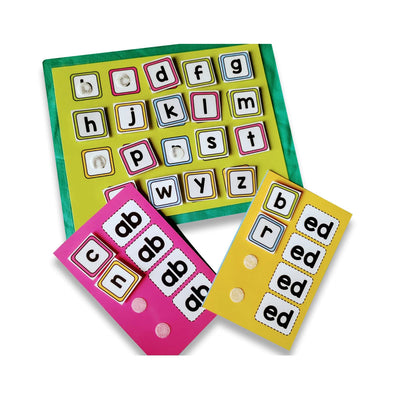
This tactile experience imprints the letter into their memory more effectively than just seeing it. Similarly, a movable alphabet for Telugu empowers children to form words, even before they can hold a pencil confidently. These activities make abstract language concepts concrete and accessible, fostering early literacy in a truly holistic way.
Incorporating Telugu Learning Toys into Everyday Play
SkilloToys offers a range of activity kits designed to support language development through play. Look for telugu learning toys that encourage interaction and exploration. This could include wooden alphabet tracing boards, Telugu letter stamp sets, or creative arts and crafts kits that incorporate Telugu letters into their designs.
When selecting toys, consider their open-ended nature. Toys that can be used in multiple ways stimulate creativity and allow children to lead their own learning. This autonomy is crucial for developing independent learners, a core tenet of the Montessori method.
Embracing Your Child's Pace: An Anti-Academic-Pressure Approach
The journey of learning a new language, especially one's mother tongue, should be filled with discovery, not deadlines. Forcing a child to memorize Telugu letters can lead to frustration and a negative association with the language. Instead, embrace their individual pace and celebrate every small milestone. The Hindustan Times recently highlighted that 'Play. It prepares us for learning and life,' a reminder that true learning is about preparation and joy, not just outcomes.
Observe your child's interests and energy levels. If they're engaged, continue the activity. If they're losing interest, pivot to something else. This gentle, responsive approach respects their autonomy and makes them feel seen and understood. Remember, the goal is to cultivate a love for Telugu, ensuring they connect with their linguistic heritage joyfully.
Tonight, during dinner, challenge your 4-year-old, like little Raghav from Chennai, to identify something on their plate that starts with a Telugu letter they've recently learned, or ask them to describe a vegetable using a newly acquired Telugu word. It's these small, consistent, and joyful interactions that weave language into the fabric of their everyday lives.